


Signal Integrity
What Is Signal Integrity in PCB Design?
Signal integrity (SI) is the measure of how accurately an electrical signal propagates from its source to its destination on a printed circuit board. As clock speeds increase and data rates push into multi-gigabit territory, maintaining signal integrity becomes one of the most critical challenges in PCB design. Poor signal integrity manifests as reflections, crosstalk, ringing, overshoot, undershoot, and electromagnetic interference — any of which can cause data errors, timing failures, or complete system malfunction.
Key factors that influence signal integrity include trace impedance, trace length, via transitions, return path continuity, layer stackup, and the proximity of adjacent signals. Engineers must carefully manage these parameters across every net in the design, balancing electrical performance against manufacturing constraints, board size, and cost.
Achieving Signal Integrity Through Physics-Driven PCB Layout
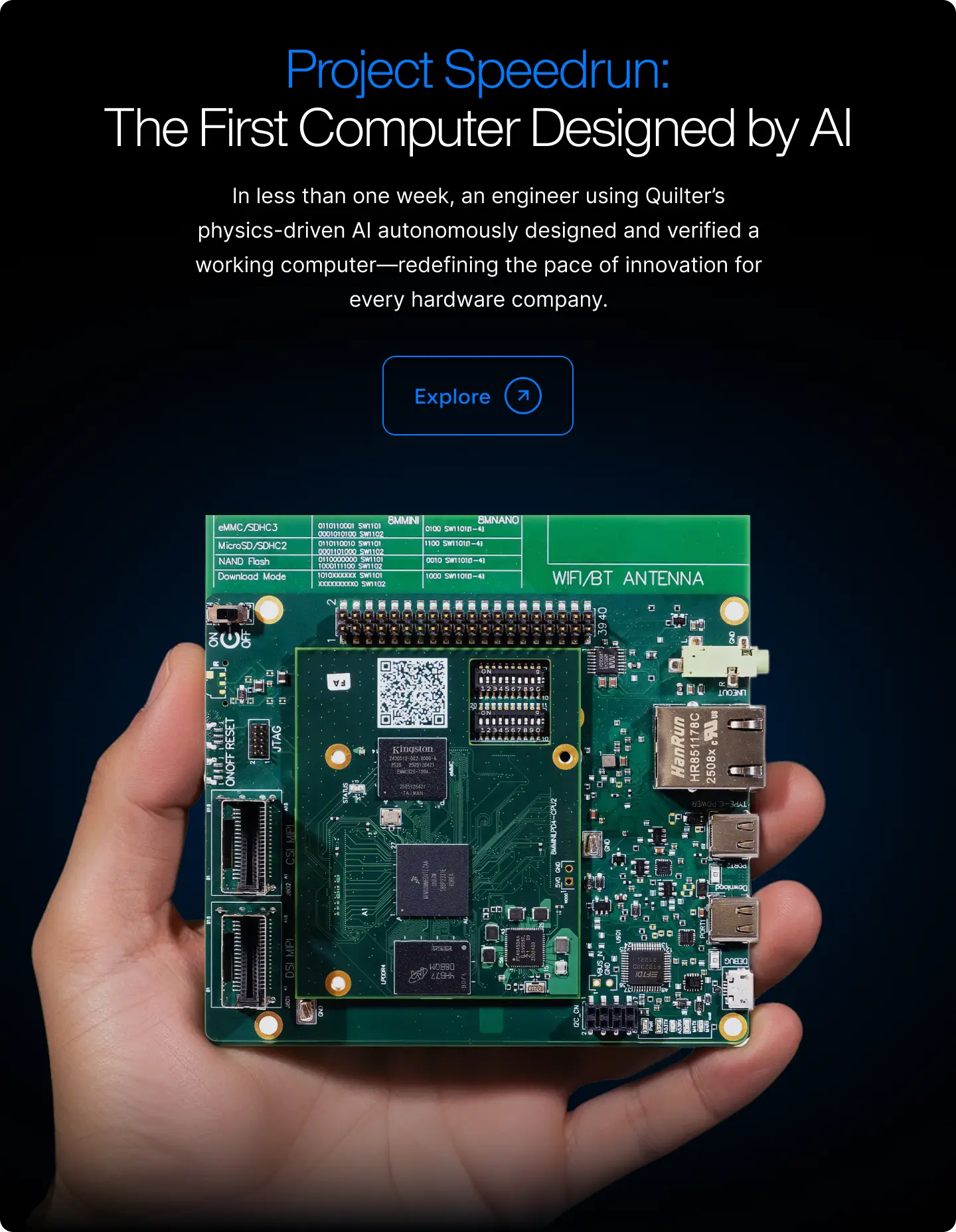
Traditionally, signal integrity analysis happens after layout is complete, often revealing problems that require significant redesign. Physics-driven AI layout tools take a fundamentally different approach by incorporating signal integrity constraints directly into the placement and routing process. By evaluating impedance, crosstalk risk, and return path quality during generation, these tools produce layouts that meet signal integrity requirements from the start — reducing late-cycle surprises and enabling engineers to focus on system-level integration rather than chasing trace-level violations.