



Product Updates

Published

Written by

Workbench

Thin-to-thick traces

Published

December 29, 2023

Quilter's "constraints manager" allows users to identify minimum amperage or trace width requirements for sensitive nets and pins so that Quilter's design agent can route those paths using beefier traces.

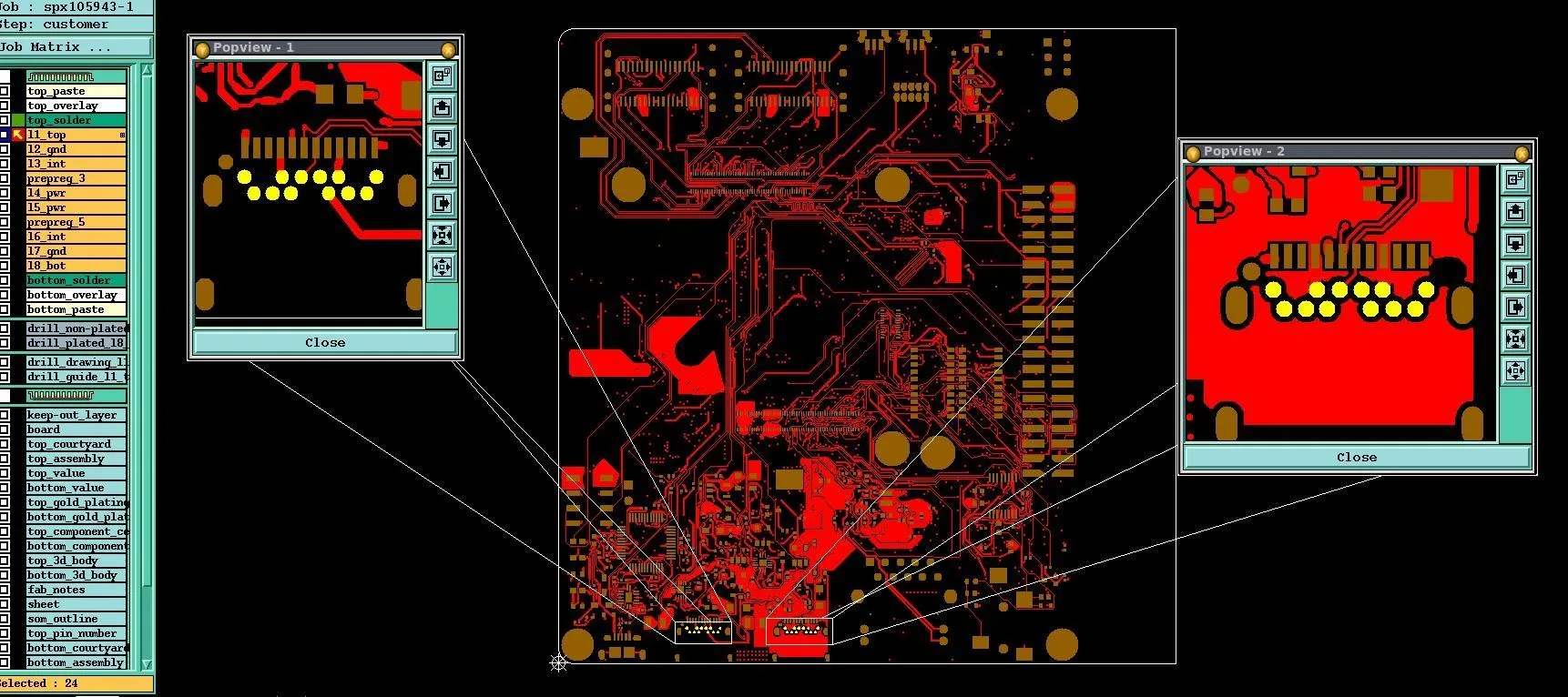
What happens, though, when the need for a beefy trace meets a delicate, finely-pitched connector or IC?

Previously, the answer was that Quilter failed to route your design to 100%, leaving you to finish the job it should have completed on its own.

Starting today, the new answer is: success!

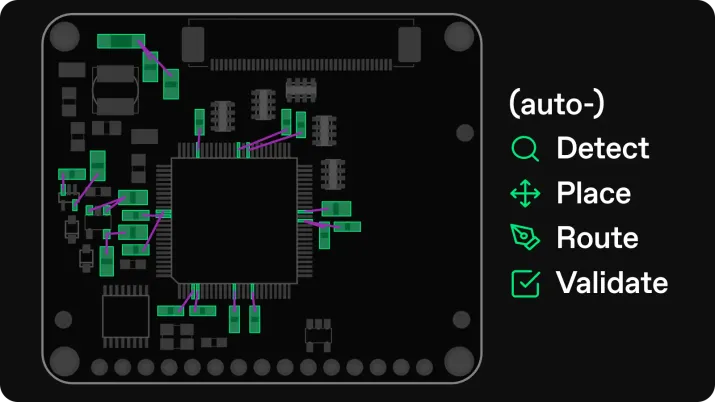
As of today, Quilter's design agent can now selectively route "thin-to-thick" traces just like a human designer would, enabling it to complete layout jobs more consistently while obeying all user-defined design rules and constraints.

Try Quilter for Yourself

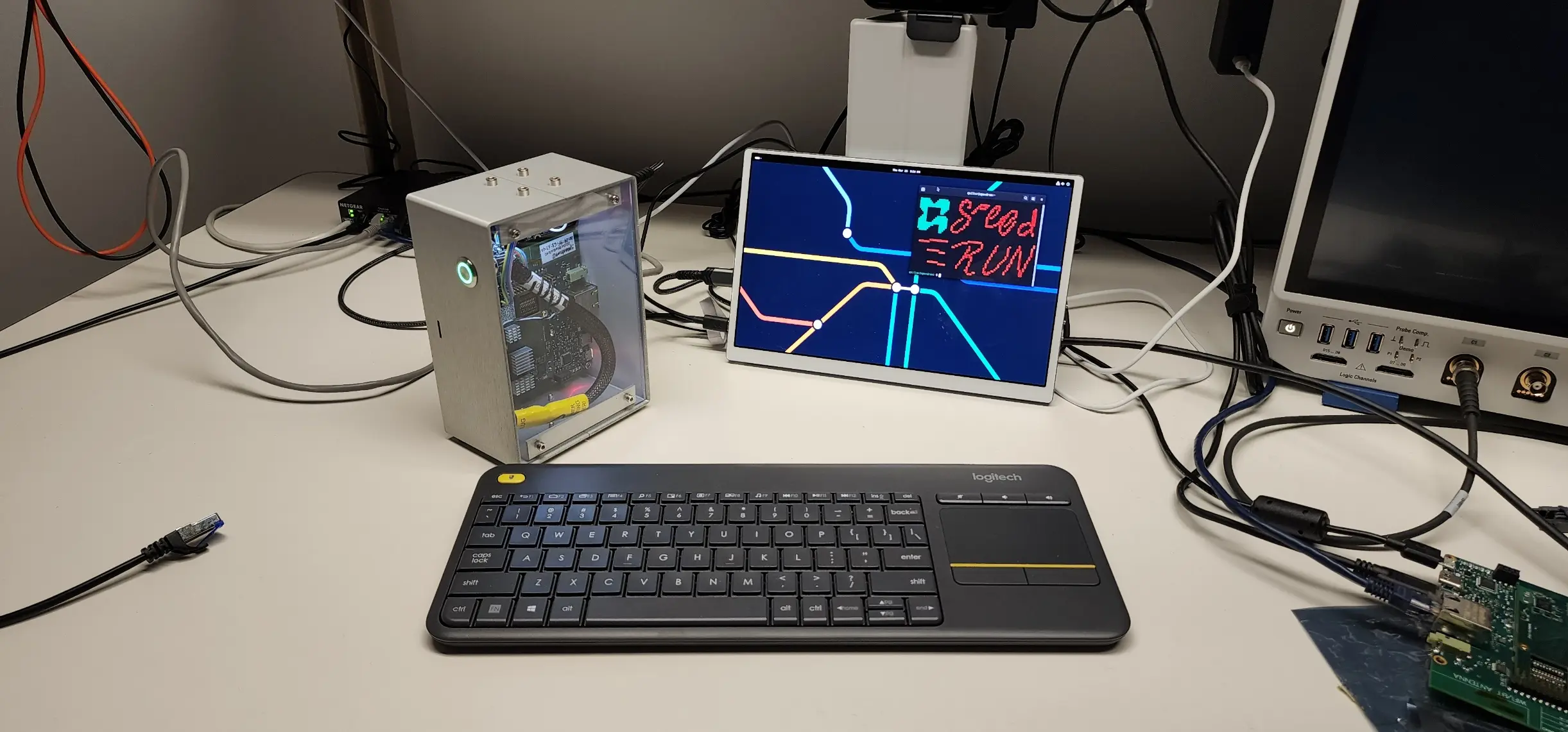
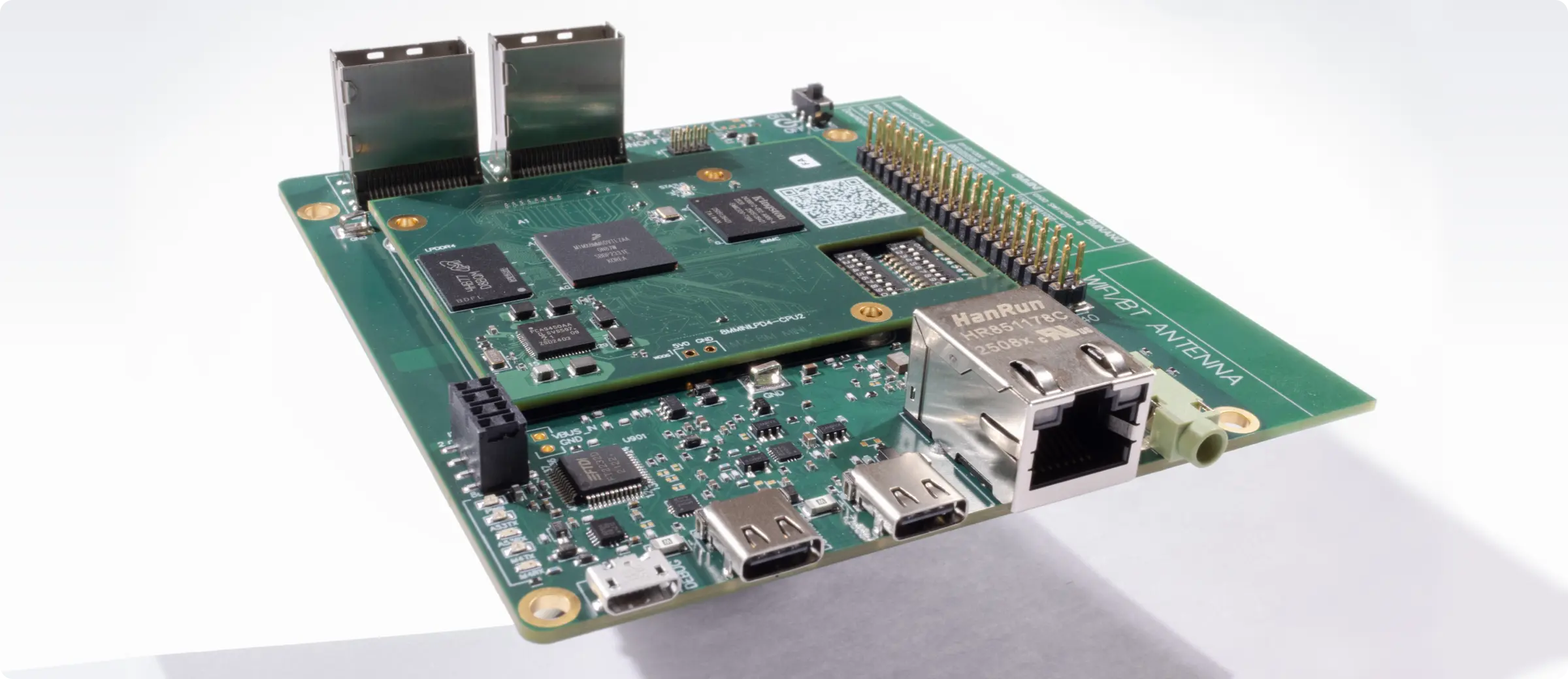
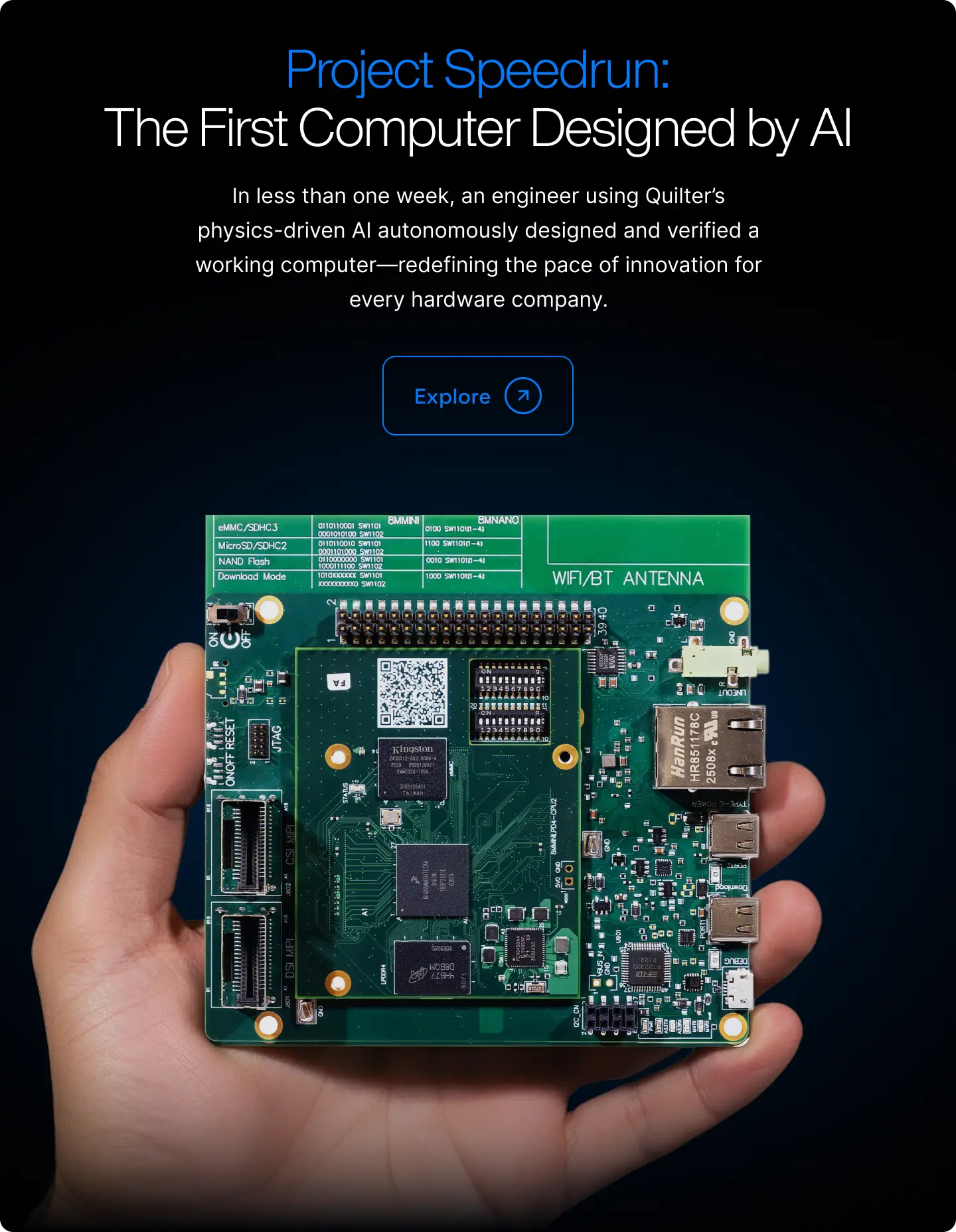
Project Speedrun demonstrated what autonomous layout looks like in practice and the time compression Quilter enables. Now, see it on your own hardware.

Get Started

Validating the Design

With cleanup complete, the final question is whether the hardware works. Power-on is where most electrical mistakes reveal themselves, and it’s the moment engineers are both nervous and excited about.

Continue to Part 4

Cleaning Up the Design

Autonomous layout produces a complete, DRC'd design; cleanup is a brief precision pass to finalize it for fabrication.

Continue to Part 3

Compiling the Design

Once the design is prepared, the next step is handing it off to Quilter. In traditional workflows, this is where an engineer meets with a layout specialist to clarify intent. Quilter replaces that meeting with circuit comprehension: you upload the project, review how constraints are interpreted, and submit the job.

Continue to Part 2

Thin-to-thick traces

December 29, 2023
by
Sergiy Nesterenko
and

Quilter's "constraints manager" allows users to identify minimum amperage or trace width requirements for sensitive nets and pins so that Quilter's design agent can route those paths using beefier traces.

What happens, though, when the need for a beefy trace meets a delicate, finely-pitched connector or IC?

Previously, the answer was that Quilter failed to route your design to 100%, leaving you to finish the job it should have completed on its own.

Starting today, the new answer is: success!

As of today, Quilter's design agent can now selectively route "thin-to-thick" traces just like a human designer would, enabling it to complete layout jobs more consistently while obeying all user-defined design rules and constraints.