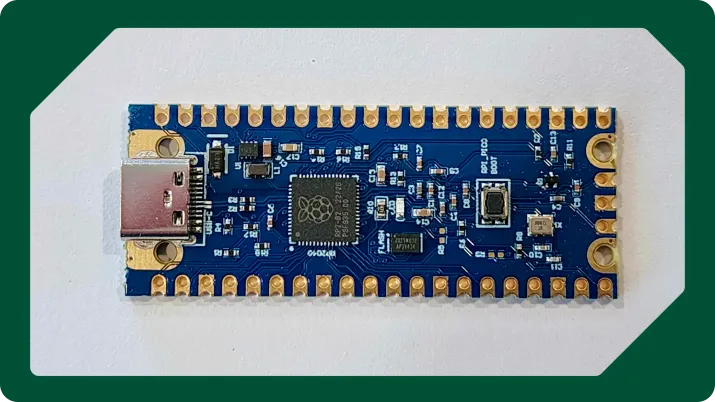



Design for Manufacturability (DFM)

What Is Design for Manufacturability (DFM)?

Design for Manufacturability (DFM) encompasses the guidelines, rules, and best practices that ensure a PCB design can be successfully fabricated, assembled, and tested in production. DFM considerations include minimum trace widths and spacings achievable by the target fabrication facility, via drill sizes and aspect ratios, solder mask and silkscreen clearances, pad geometries optimized for reflow or wave soldering, component spacing for automated pick-and-place machines, and test point accessibility for in-circuit testing (ICT) or automated optical inspection (AOI).

Ignoring DFM during the design phase leads to manufacturing yield problems, increased production costs, and delayed time to market. Common DFM violations include traces too thin for the selected copper weight, vias with aspect ratios beyond the fab house's capability, insufficient clearance between components for solder bridging risk, and tombstoning-prone pad designs. These issues are far more expensive to fix after fabrication tooling has been created.

Integrating DFM Into AI-Powered PCB Layout

AI-driven layout tools can generate designs targeting specific manufacturer capabilities and fab rule sets. By incorporating DFM constraints alongside electrical and physical requirements during layout generation, these tools produce boards that are optimized for manufacturability from the start. Engineers can even generate layouts targeting multiple manufacturers simultaneously — comparing cost, lead time, and capability tradeoffs based on actual routed designs rather than theoretical estimates.

Other glossary terms

Thank you! Your submission has been received!
Oops! Something went wrong while submitting the form.
There are no available glossary items matching the current filters.
Reset