



Turnkey PCB Assembly
What Is Turnkey PCB Assembly?
Turnkey PCB assembly is a manufacturing service model where a single contract electronics manufacturer (CEM) handles the entire production process from start to finish: PCB fabrication, component procurement, solder paste printing, component placement, reflow and wave soldering, inspection, testing, and packaging. The term "turnkey" comes from the concept of turning a key and having a finished product — the customer provides design files and the manufacturer delivers assembled, tested circuit boards ready for integration into the final product.
Turnkey assembly offers significant advantages for hardware teams: it eliminates the need to coordinate multiple vendors for fabrication, component sourcing, and assembly; reduces the risk of component-to-board compatibility issues; and simplifies supply chain management. The manufacturer takes responsibility for component availability, managing alternates when primary parts are unavailable, and ensuring that all components match the design's specifications. This is particularly valuable for startups and small hardware teams that lack dedicated supply chain management resources.
Design Outputs That Enable Turnkey Manufacturing
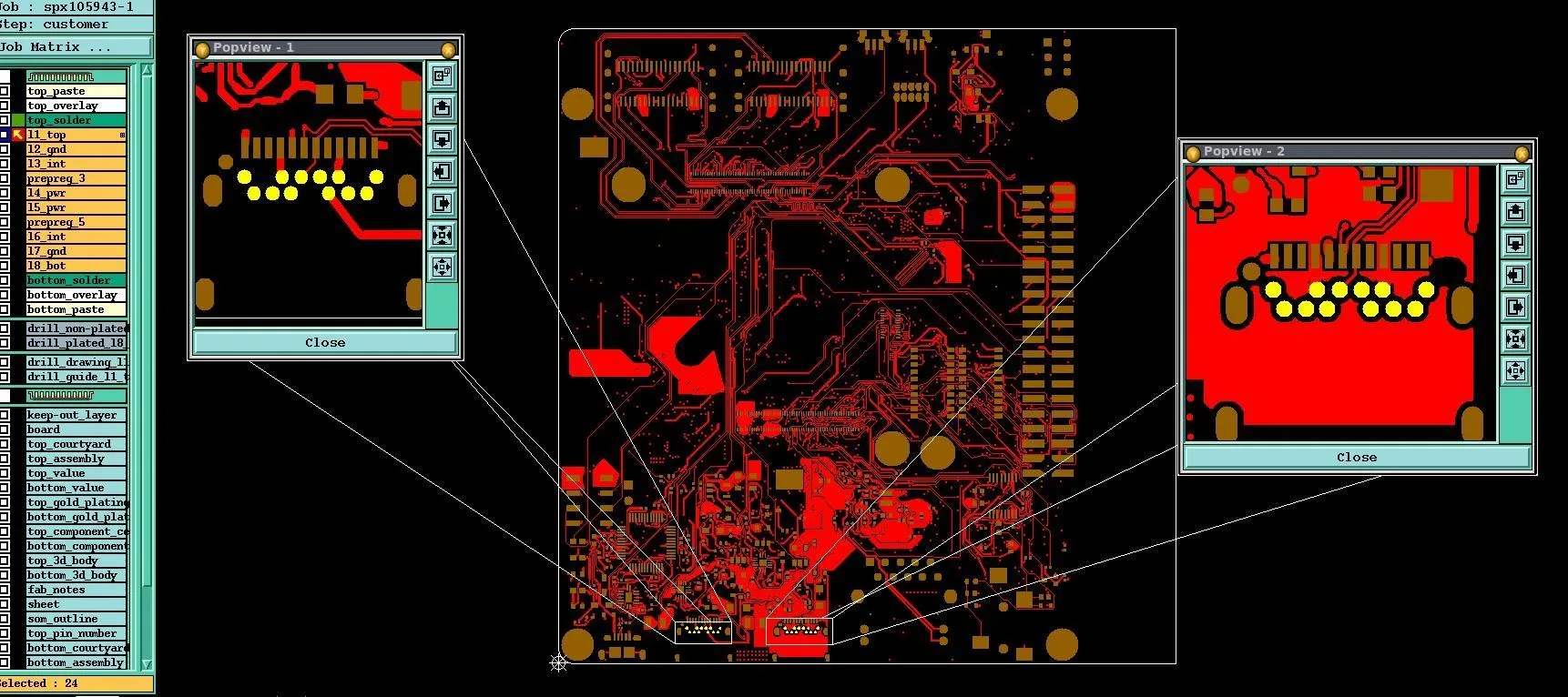
Turnkey assembly requires comprehensive design documentation: fabrication files (Gerber or ODB++), assembly drawings, pick-and-place centroid files, bill of materials with approved alternates, and test specifications. AI-powered layout tools that generate complete, consistent manufacturing data packages ensure that the handoff to turnkey assembly is smooth and unambiguous. By producing fabrication-ready designs with accurate centroid data, properly formatted BOMs, and complete assembly documentation, these tools minimize the back-and-forth communication between design teams and manufacturers that traditionally delays the start of turnkey production.