






Read the Full Series
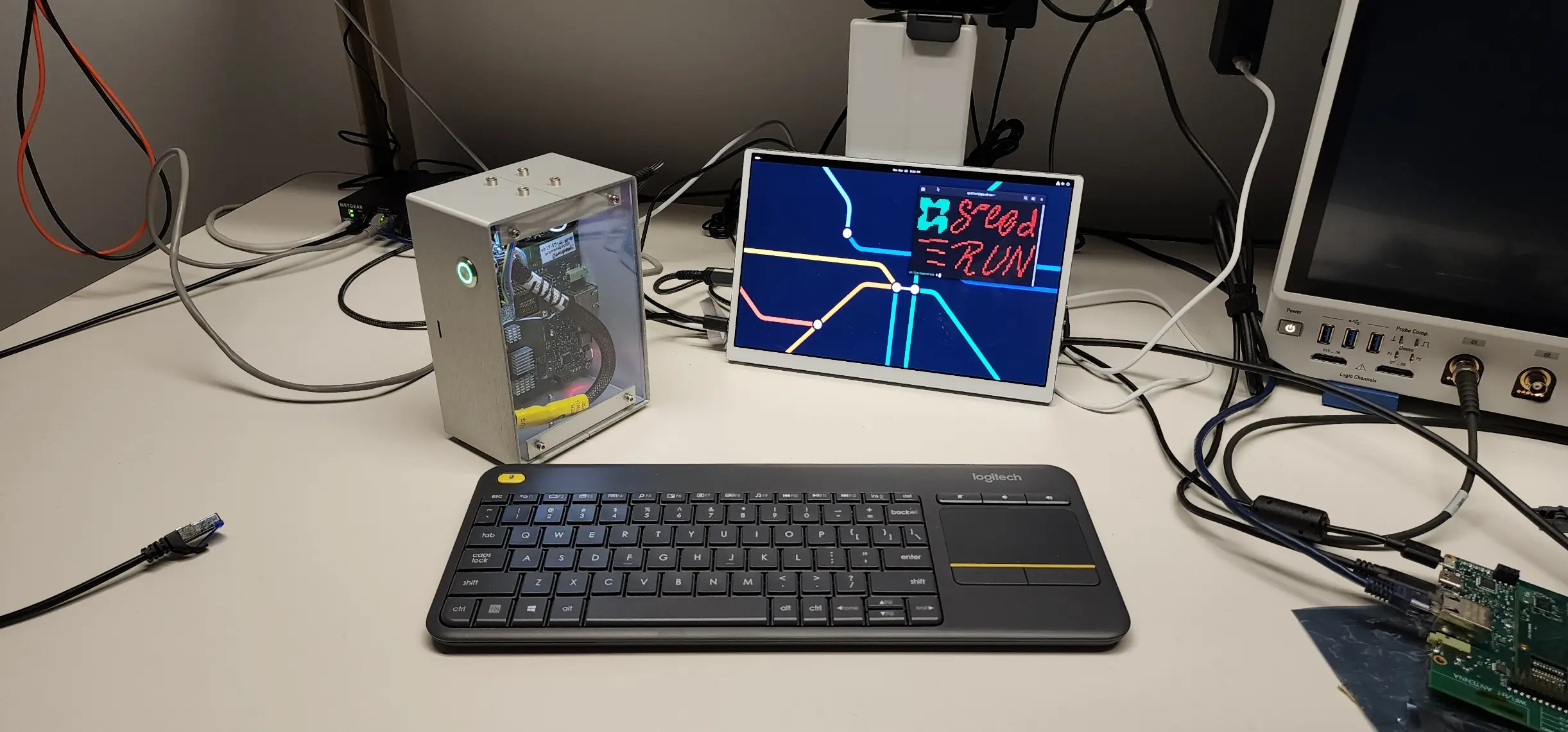
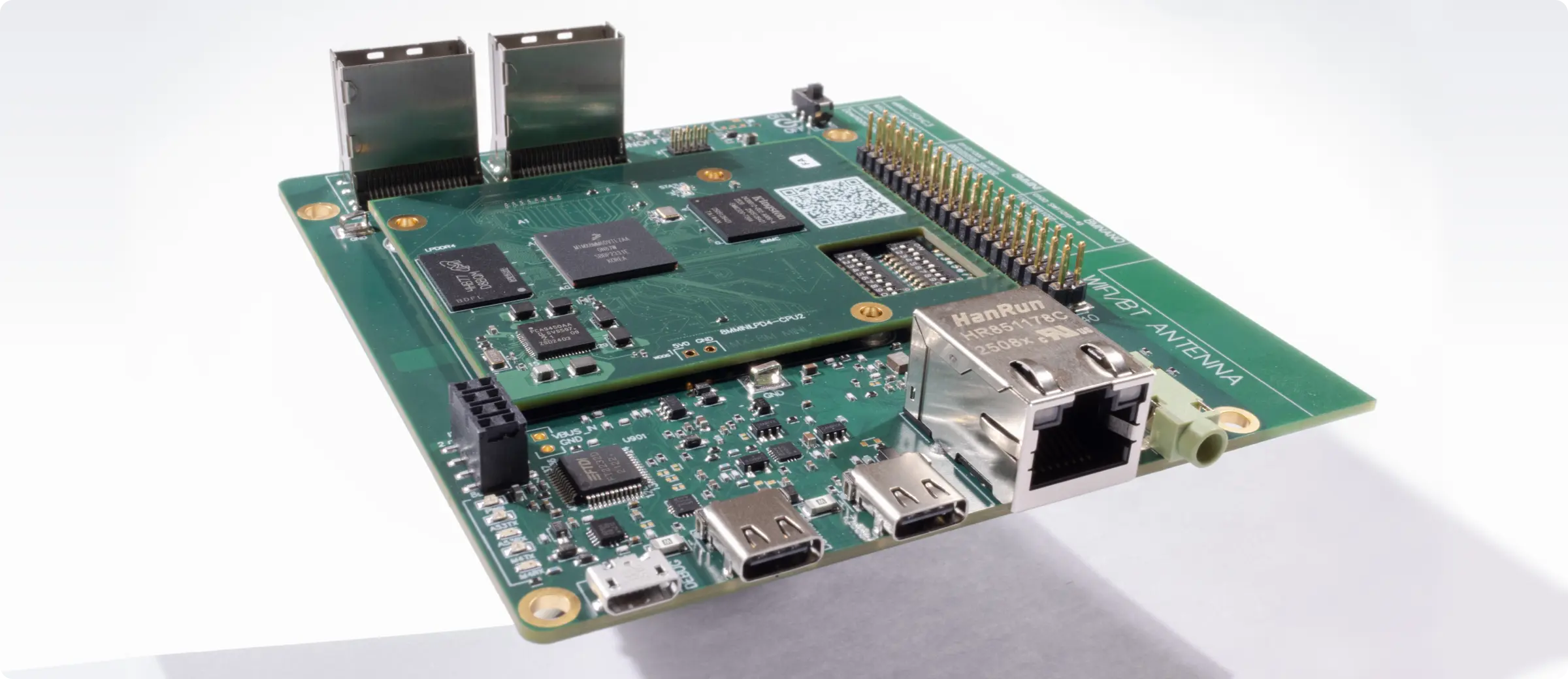
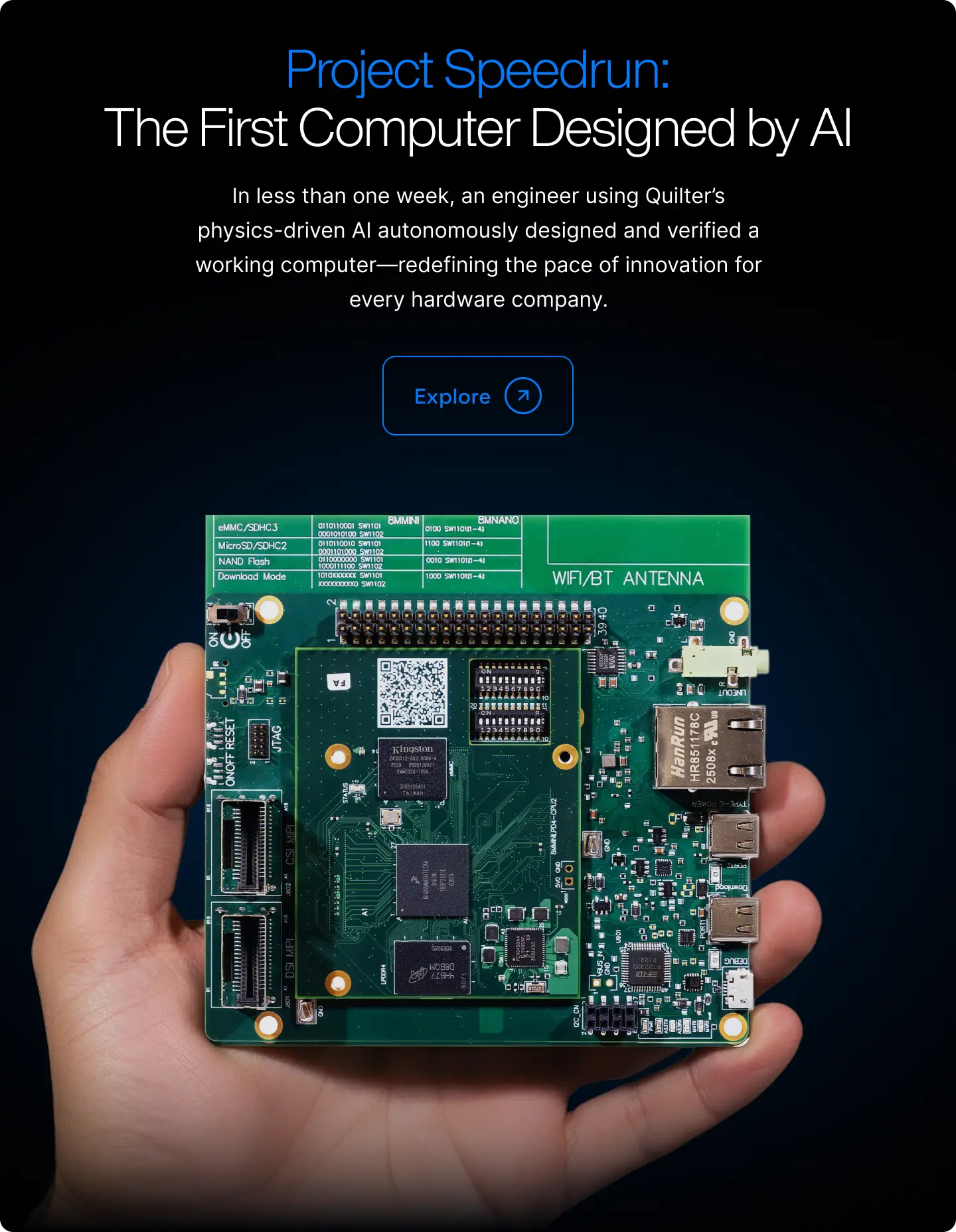
This article is one part of a walkthrough detailing how we recreated an NXP i.MX 8M Mini–based computer using Quilter’s physics-driven layout automation.
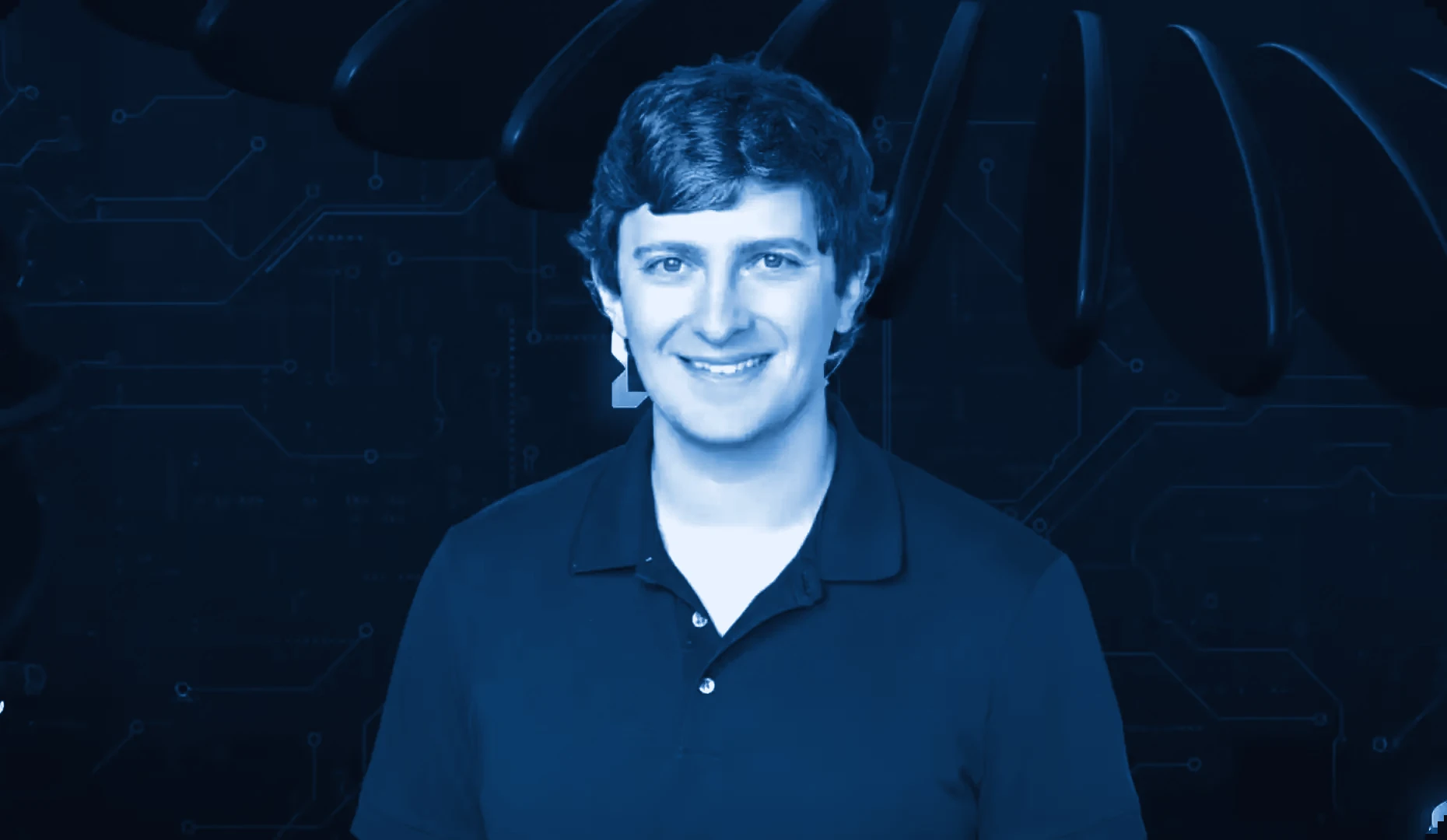
Some engineers become valuable because they accumulate specialized knowledge. Others become valuable because they can connect domains that usually stay apart. Kalyan Vaddagiri belongs to the second category, and that is precisely what makes him worth paying attention to now. His work sits at the intersection of signal integrity, computational electromagnetics, automated routing, and multi-physics collaboration. More importantly, his philosophy reflects a broader truth about modern hardware: narrow technical skill still matters, but the engineers shaping the future are the ones who can widen the frame without losing rigor.
His story does not read like a standard corporate ascent. Mathematics led him into electronics and communications. Signal-processing work in Singapore opened one door. A professor’s suggestion pushed him toward physics. Delft deepened his understanding of computational electromagnetics and changed how he thought about engineering altogether. Industry work in EMI/EMC, hardware, connectors, and high-speed signals followed. Along the way, he developed an instinct that now feels increasingly essential: the best engineering work rarely stays confined to one discipline for long.
“Physics is all about mathematics.”
That line works as both biography and worldview. Vaddagiri does not talk about engineering as a collection of disconnected tools or job functions. He talks about it as an ongoing effort to understand why systems behave the way they do, and how better understanding changes design decisions.
From mathematics to engineering curiosity
Curiosity about mathematics was the beginning. In the interview, Vaddagiri traces that curiosity back to childhood and describes it less as a talent than as a durable form of attraction. Math felt intelligible. It rewarded understanding. It gave him a path that was both demanding and open-ended. From there, electronics and communications became a natural next move.
His early internship and final-year work in Singapore focused on mathematical algorithms for signal processing, including research related to dolphin sounds. The details are unusual enough to be memorable, but the deeper significance lies elsewhere. Even in that work, he was already operating at the boundary between abstraction and behavior, between mathematical form and physical interpretation.
A professor noticed the alignment and nudged him toward physics. The recommendation was simple: if mathematics came naturally, physics might feel like its most meaningful extension. That suggestion proved decisive. Instead of treating math as a solved stage of life, Vaddagiri followed it into a field where equations stayed alive inside real systems.
Delft, electromagnetics, and learning to understand things properly
His master’s work in computational electromagnetics at Delft appears to have been the central intellectual turning point. He describes those years with a level of feeling that engineers do not always allow themselves in public. He calls them among the most beautiful moments of his life. Beauty, in this case, came from rigor. The educational structure demanded explanation, not just completion. Students were expected to tell professors what they actually understood. Knowledge had to be spoken back, defended, and made coherent.
“The two years that I spent there were the most beautiful moments in my life.”
That memory says a great deal about him. Plenty of people enjoy engineering because they like solving problems. Vaddagiri seems equally motivated by the desire to understand systems in the right way. He returns repeatedly to the relationship between mathematics and physics, between equations and behavior, between theory and application. Differential equations, Fourier transforms, noise, interference, signal behavior: none of it sounds separate in his telling. The same structure runs through all of it.
Engineers with that orientation often become more than practitioners. They become interpreters. They help others see how a system actually hangs together. That is one reason Vaddagiri can be positioned not just as a strong engineer, but as a thought leader within this conversation. He is not merely reporting technical experience. He is articulating a model for how to think.
A career shaped by expansion rather than comfort
After Delft, Vaddagiri worked in Germany, later returned to India to be closer to his parents, and moved through EMI/EMC work, hardware engineering, Molex, and Cisco. On paper, it is a technically credible path. In practice, what stands out is the repeated pattern of expansion. Once one area became too familiar, he moved toward the next difficult thing.
Boredom, in his case, reads less like dissatisfaction and more like a sensor. It tells him when the current problem is no longer large enough. That tendency matters because it has pushed him toward a broader version of engineering than many organizations naturally reward. Rather than staying only inside the comforts of signal integrity, he keeps reaching outward into thermal, mechanical, routing, automation, and system-level questions.
Why his interdisciplinary thinking stands out
Modern hardware work punishes siloed thinking more severely than many teams admit. Vaddagiri speaks about this with unusual bluntness. If engineers never step outside their own lane, the mindset shrinks to something like: finish the task, collect the salary, move on. He is arguing for something more demanding than professional courtesy. He is arguing for technical permeability.
“If you want to learn something, you have to poke into others’ things to understand why.”
That sentence could easily serve as a thesis for a great deal of contemporary engineering work. It also captures why Vaddagiri is useful as a public voice. He does not frame cross-functional work as a soft skill add-on. He frames it as a necessary response to reality. Electrical decisions shape thermal outcomes. Mechanical constraints alter what “good” routing means. Layout choices can produce consequences that only another discipline immediately sees. Engineers who remain overconfident inside one domain risk signing off on designs that are only partially good.
His current interest in becoming “like a T” fits this larger posture. Depth in signal integrity remains central. Breadth across adjacent domains becomes the condition for making better judgments.
“I love to work cross functional because that helps to realize that you don’t know many things.”
That kind of sentence lands because it reverses the standard ego script. Thought leadership in engineering often gets reduced to certainty. Vaddagiri’s version is more credible. He sounds authoritative because he is clear about what any one discipline cannot see by itself.
Multi-physics work and the shape of the next engineer
His emphasis on multi-physics collaboration does not emerge in isolation. It aligns with a longer conversation in engineering education about preparing graduates for complex, changing practice. The National Academy of Engineering’s Educating the Engineer of 2020 project argued that engineering education must anticipate and adapt to dramatic changes in engineering practice, while ABET’s current accreditation criteria center student outcomes that prepare graduates to enter professional practice.
That backdrop makes Vaddagiri’s instincts feel even more timely. He embodies many of the qualities engineering educators and industry bodies have been circling for years: depth in a technical core, fluency across adjacent domains, and enough intellectual humility to know that system behavior exceeds any one local perspective. This is part of what makes him worth profiling as a thought leader rather than simply a capable practitioner. He gives language to a broader shift already underway.
Engineering disagreement, persuasion, and the human side of expertise
None of this makes collaboration easy. Vaddagiri is refreshingly direct about technical ego, simulation disagreement, and the exhausting work of persuading colleagues. Engineers often trust the methods they know. Teams distributed across regions and functions do not always share the same standards of proof. Expertise can harden into defensiveness.
“It is all about how much you want to convince the other colleagues.”
That realism strengthens his credibility. He is not romanticizing cross-functional work. He is describing its cost while still insisting on its necessity. Complex systems demand this kind of friction. The goal is not universal agreement. The goal is better decisions.
Leadership, mentorship, and intellectual confidence
Another major thread in the interview concerns leadership. Vaddagiri’s standard for a good leader is not charisma. It is serious listening. Ideas should be heard before they are dismissed. Space should exist for trying something that might fail. Micromanagement suffocates good work. Appreciation matters when it is deserved. Empathy matters more than many organizations admit.
“If you believe that it is a great idea, it is a great idea.”
That line, repeated from one of his mentors, does more than describe a personal encouragement. It reveals a way of building technical confidence. Good mentors do not merely approve outcomes. They create conditions in which someone can pursue a serious idea long enough to discover whether it is actually worthwhile. In an engineering culture that can easily confuse speed with judgment, that is a meaningful distinction.
Vaddagiri also makes a crucial distinction between problem solving and people management.
“Empathy is something that I always look for.”
“There are great problem solvers, but they cannot be great people managers.”
Those are strong lines because they refuse a familiar fantasy. Technical brilliance does not automatically translate into leadership. His willingness to say so openly gives the profile another layer of authority. He is not selling an image of the complete engineer. He is naming the limits of one kind of excellence and the need for another.
What he is working on now
At present, two problems appear to be occupying most of his attention: multi-physics work, especially warpage analysis, and automated routing. Those interests make sense together. Each forces engineering to confront a larger context than older workflows often allowed. Each asks how much faster, more holistically, and more intelligently decisions can be made without sacrificing physical rigor.
“Right now my two boiling problems are these: one is the multi-physics problem... and another one is automated routing.”
The pairing is revealing. It suggests that Vaddagiri is not only interested in solving the current version of engineering work. He is interested in what the next version will require.
Why Kalyan Vaddagiri deserves a place in the larger engineering conversation
What makes this interview useful is not simply that it documents a strong technical career. More than that, it captures an engineer who can articulate where hardware design is headed. He speaks from deep signal integrity experience, but he consistently pulls the conversation toward broader systems thinking, interdisciplinary work, better leadership, and more adaptive technical judgment.
That combination is rare enough to matter. Many engineers are insightful. Many are technically deep. Fewer can translate their own path into a wider argument about how engineering should evolve. Vaddagiri can. His ideas on multi-physics, T-shaped development, mentorship, and cross-functional truth-seeking all position him as someone worth citing, not just someone worth admiring.
For Quilter’s audience, that makes him more than an interview subject. He becomes a useful voice in a larger archive of engineering thought: one that values curiosity, realism, technical seriousness, and the discipline of expanding the problem until the actual system comes into view.


.webp)