






Read the Full Series
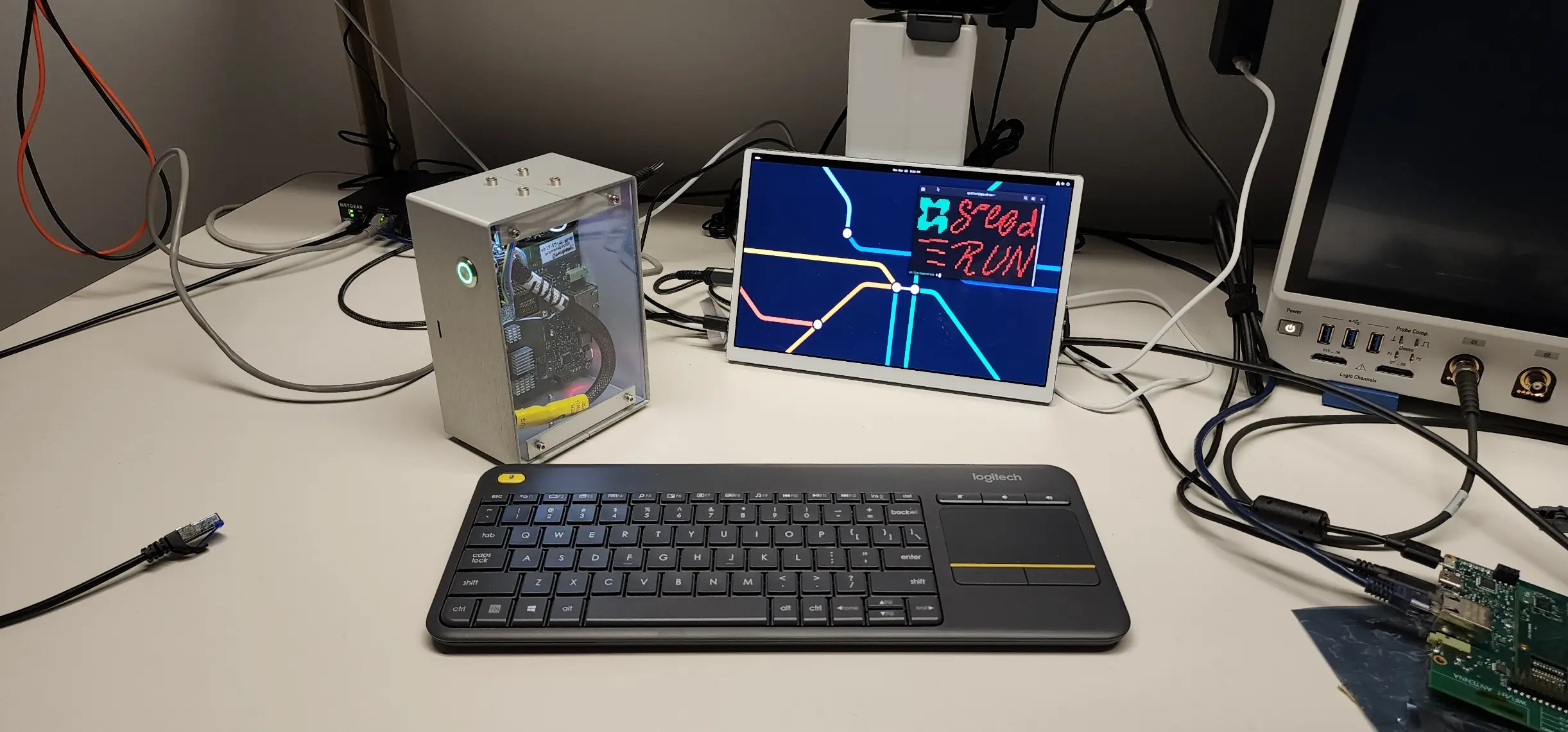
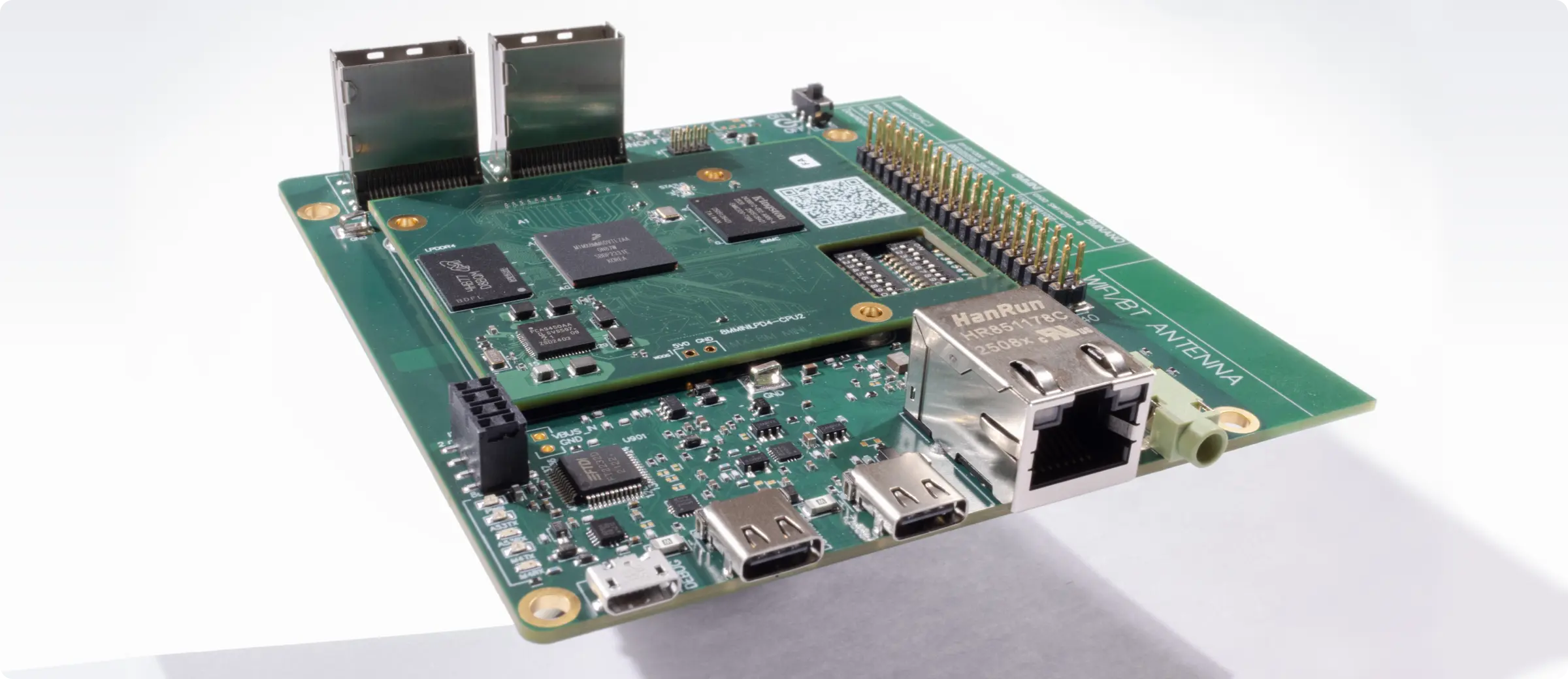
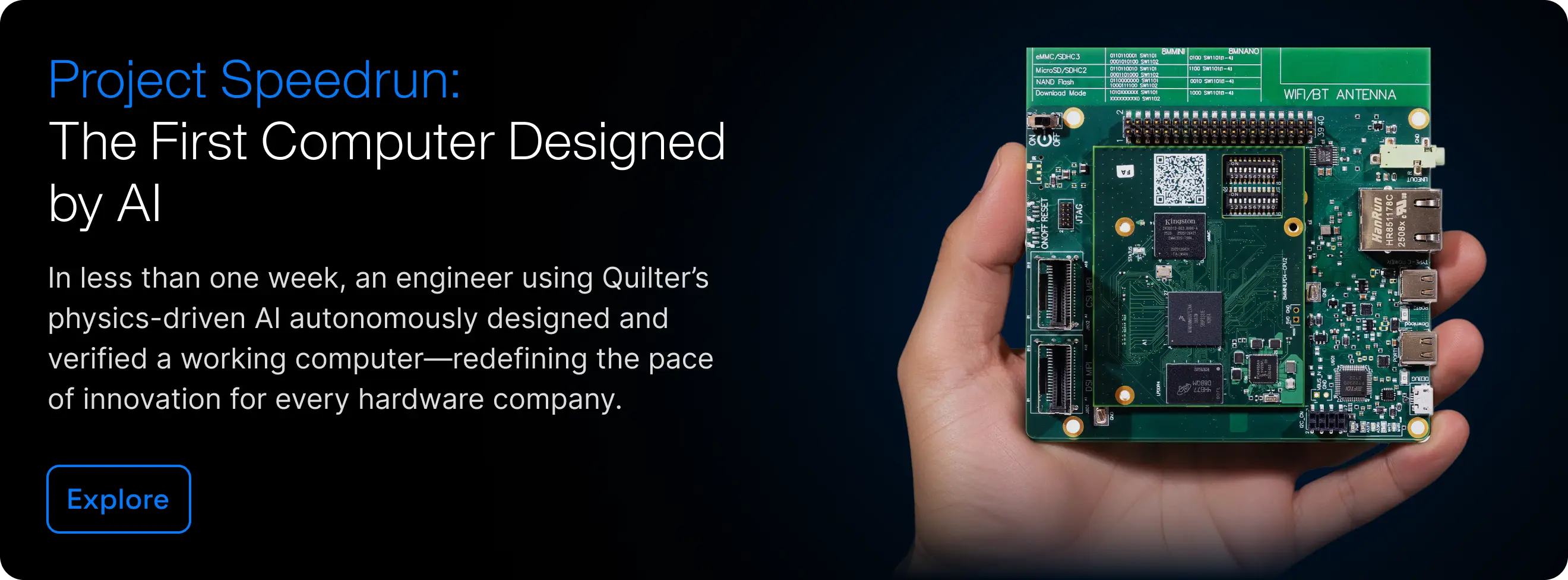
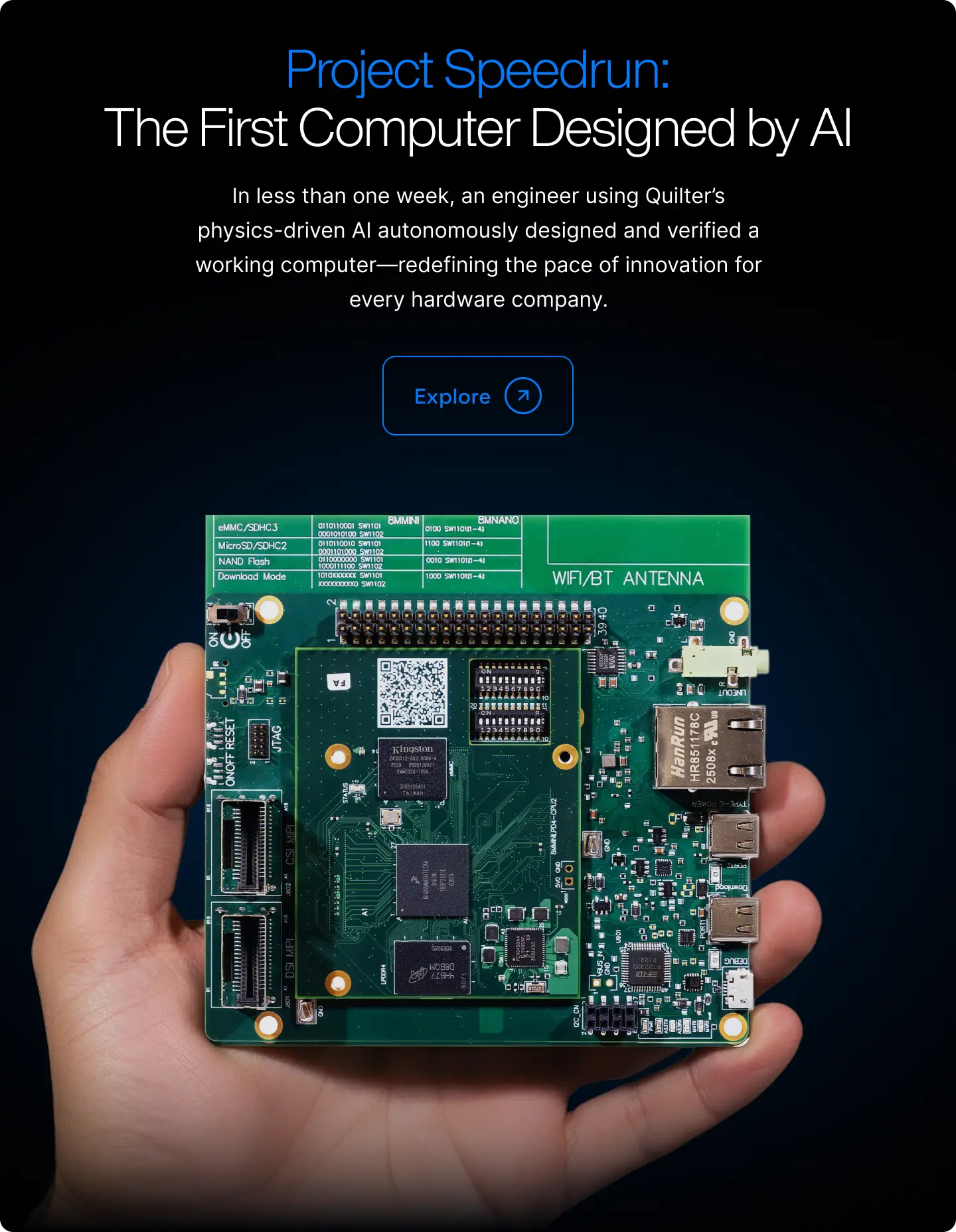
This article is one part of a walkthrough detailing how we recreated an NXP i.MX 8M Mini–based computer using Quilter’s physics-driven layout automation.
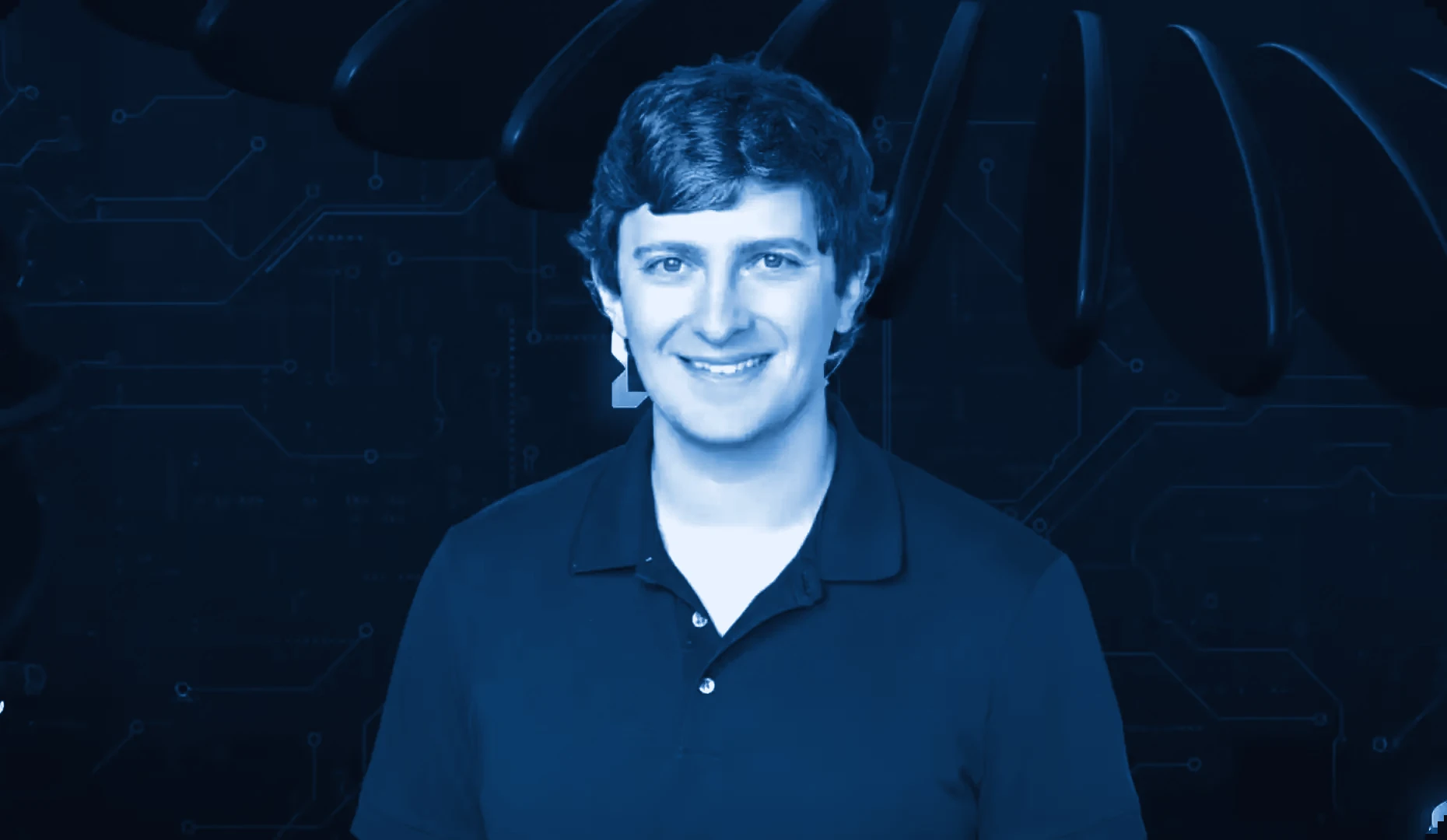
For Chi-Han Peng, engineering has always been a visual language. Now a software engineer on Quilter’s router team, he spends his days refining the algorithms that connect point to point, translating mathematical complexity into elegant PCB routing. Before joining Quilter, Chi-Han was a professor and researcher across Taiwan, China, Saudi Arabia, and the UK. His story reflects how geometry, optimization, and visualization can bridge worlds from computer graphics to circuit design. Humans in the Loop captures how people like Chi-Han help Quilter build tools that reveal the unseen order inside engineering problems.

Origins
“I got my undergraduate in Taiwan University,” Chi-Han recalls, “and I’ve always worked around the same thing—computer science. My core field is computer graphics: geometry, optimization, and real-time rendering.” Like many in his field, he was drawn in by curiosity. “Many people who go into computer graphics are gamers. They wonder, how can a game have such cool, beautiful 3D graphics in real time?”
For him, the draw wasn’t only aesthetic. It was about systems that visualize understanding. “Anything you do in graphics shows on the screen,” he says. “It’s cool to look at—but it’s also math, algorithms, and engineering working together.”
Journeys in Engineering
Chi-Han’s path wove through academia and global research centers. “I was a professor at Jiao Tong University in Taiwan, and before that at KAUST in Saudi Arabia. I did my PhD at Arizona State—great school, great advisor,” he says. “I’ve worked in several places in the world.”
That diversity of experience sharpened both his technical and cultural adaptability. “Computer graphics is a broad field with games, architecture, movies, and 3D printing. It’s about things that get visualized,” he explains. Each stop reinforced a fascination with geometry as the common thread between disciplines.
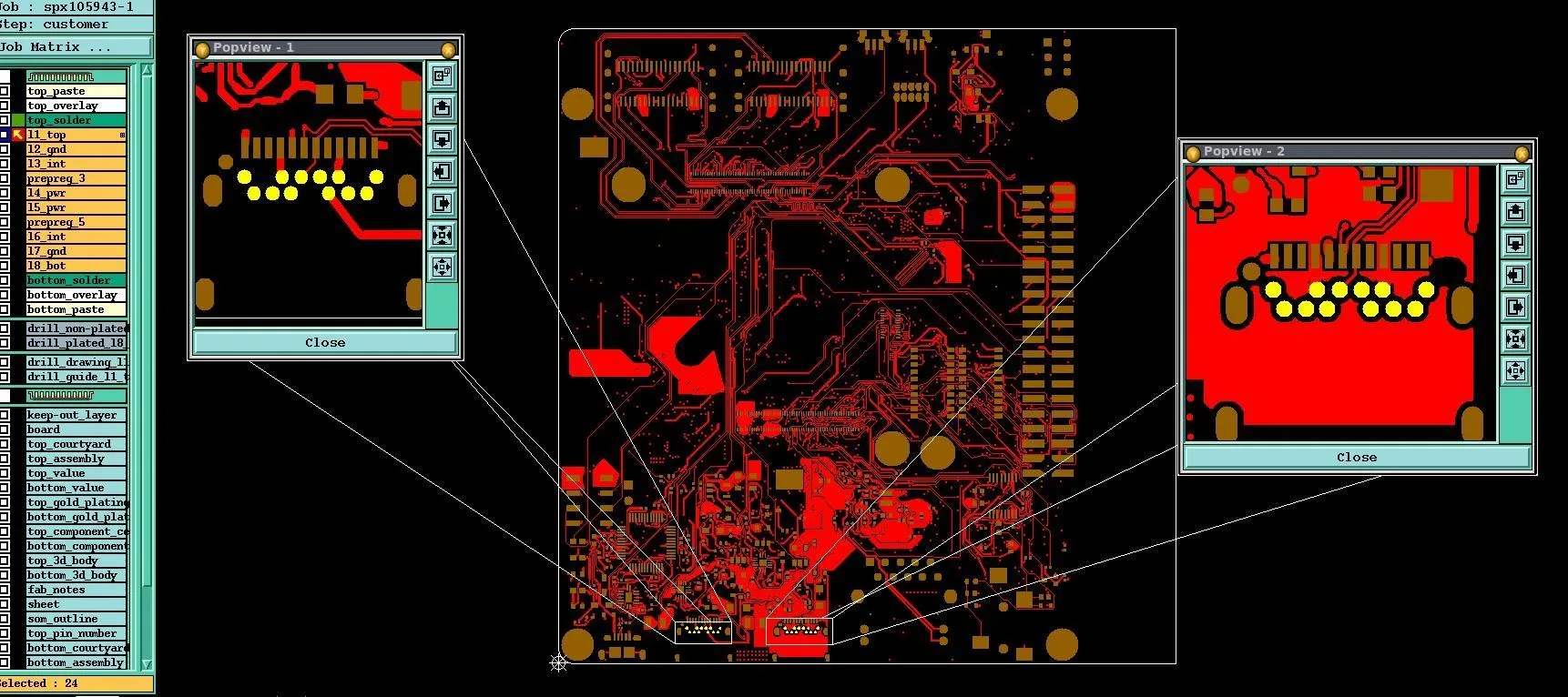
When he joined Quilter, Chi-Han saw a new translation of that geometry: “PCB design feels like a new field of computer graphics. It’s visualized, it’s geometry simulation. Expertise in graphics can be beneficial to solve problems in PCB design.” He laughs when describing the aesthetic pleasure of routing: “The octilinear traces—they just look nice. Tiny traces following patterns—it’s nice to look at, nice to generate.”
Why Quilter?
“I feel very fortunate to get this job,” Chi-Han says simply. “I like the field of PCB routing—PCB design. It feels new but familiar.” What hooked him was the visual logic of the work. “People need to see the results. Routing a board is geometry in motion.”
For a company building AI-assisted layout intelligence, his mix of mathematical visualization and algorithmic design fits perfectly. “Experience in computer graphics helps,” he adds. “It’s still about computation, optimization, and how you present complexity clearly.”
He also brings a researcher’s curiosity about emerging tech: “Neural networks are amazing, but I’m more curious about their limits and what they cannot do. Quantum computing, though that’s something to look for. If it succeeds, it could solve problems magnitudes more complex than what CPUs can handle.”
Beyond the Workbench
Outside work, Chi-Han’s time belongs to his family. “I have two boys, eleven and nine,” he smiles. “They play games—mostly Roblox. It’s good because they can explore and play new games every day.” His own gaming days may be behind him, but that early spark of wonder of how virtual worlds are built still animates his work.
He laughs at the idea of spare time: “No, no, don’t have that time. Two boys already!” But he’s quick to share what he’d do if he could: “Maybe have dinner with Jensen Huang when he visits Taipei,” he says. “He always goes to these traditional restaurants—authentic, wholesome, always fully booked. Different kind of fancy.”
A Line to Remember
“PCB design feels like a new field of computer graphics. Routing a board is geometry in motion—and sometimes it’s just nice to look at.”
Closing Note
What stands out in talking to Chi-Han is the joy of recognition and seeing the same mathematical beauty in circuits that he once found in rendered worlds. His story reminds us that at Quilter, geometry isn’t just math; it’s how we make complexity visible, one trace at a time.


.webp)