






Read the Full Series
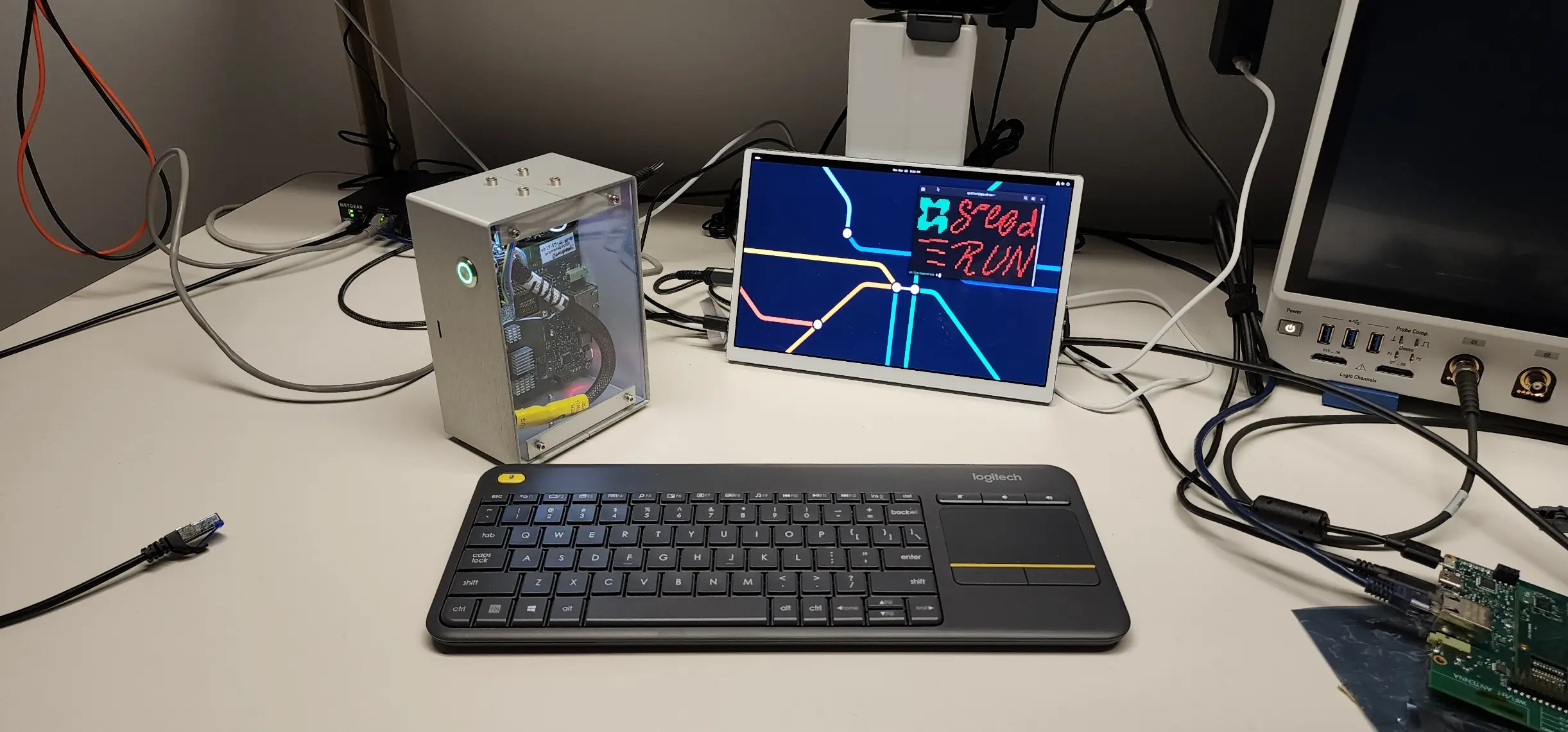
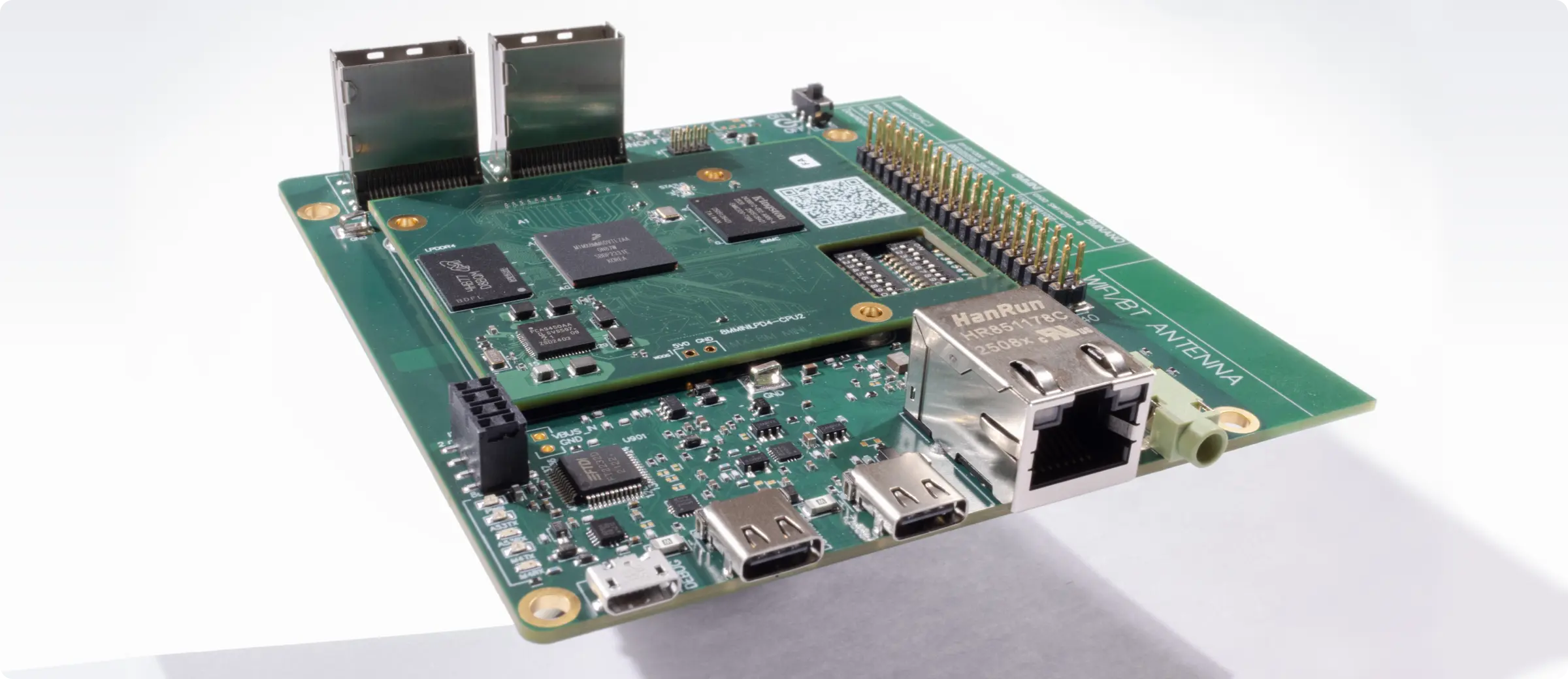
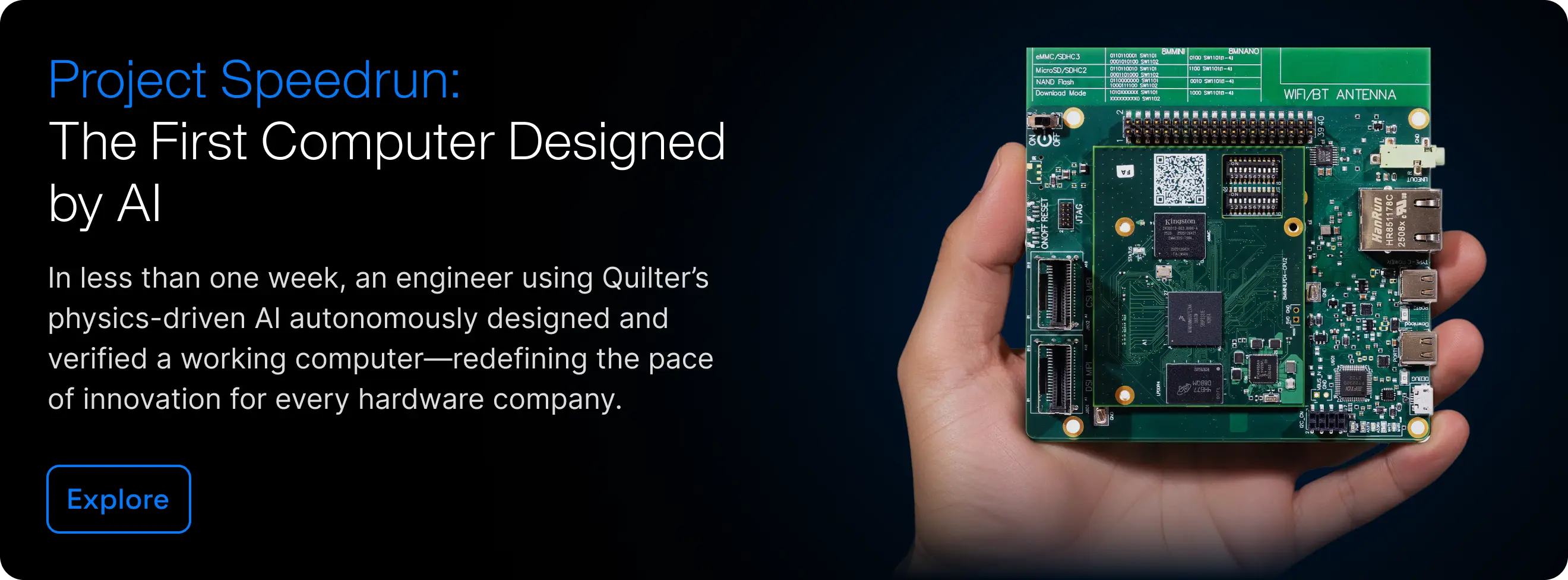
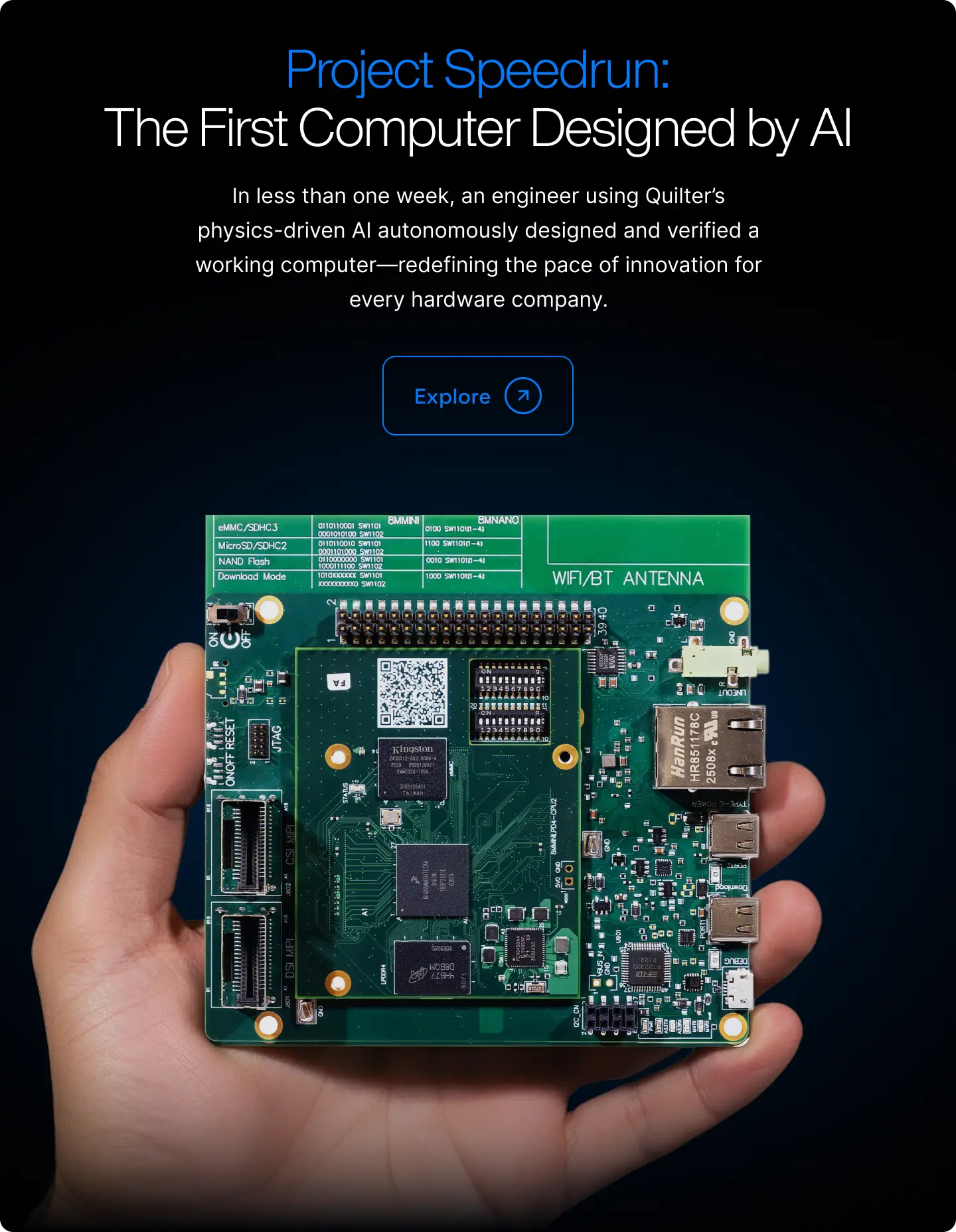
This article is one part of a walkthrough detailing how we recreated an NXP i.MX 8M Mini–based computer using Quilter’s physics-driven layout automation.
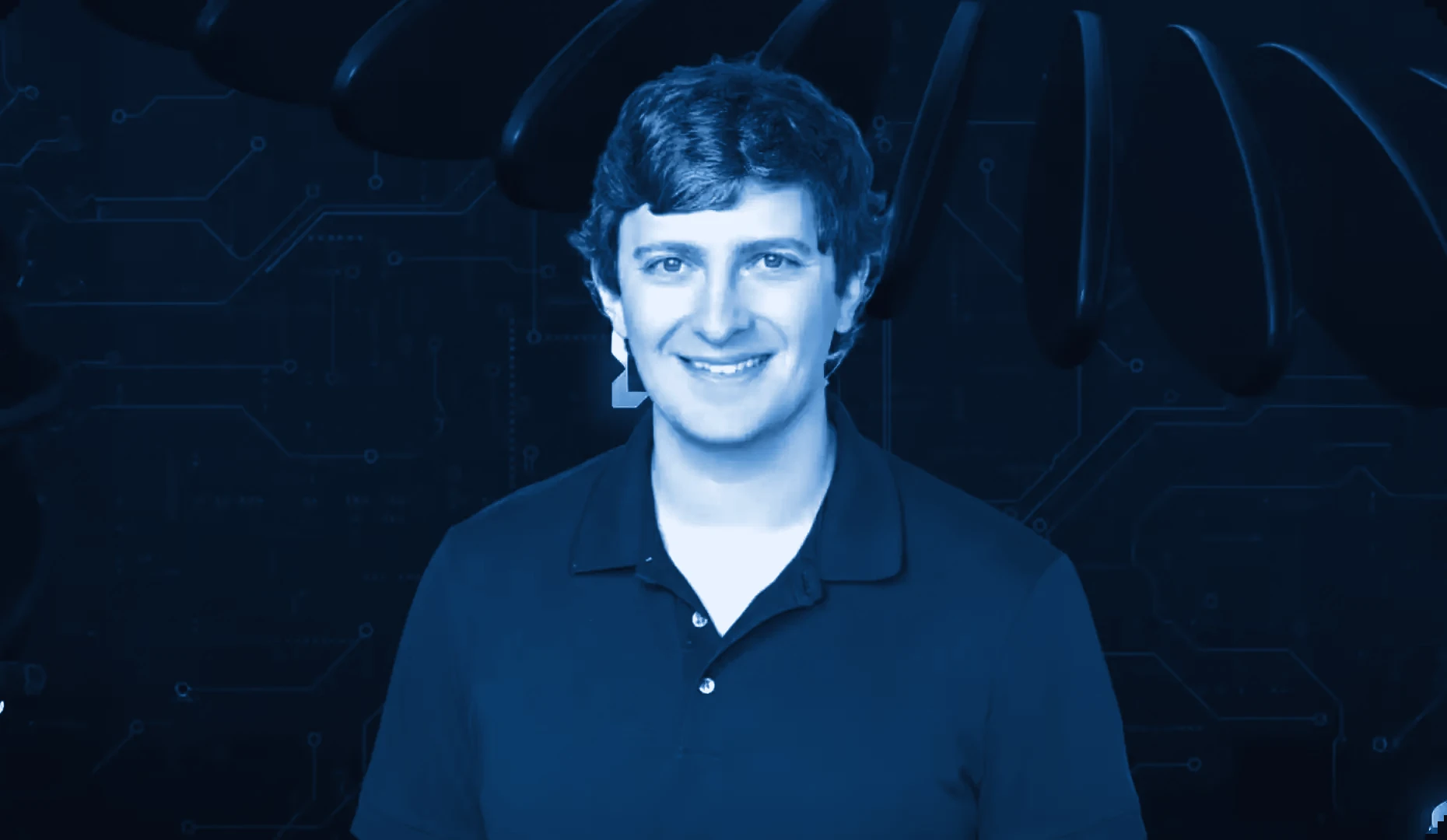
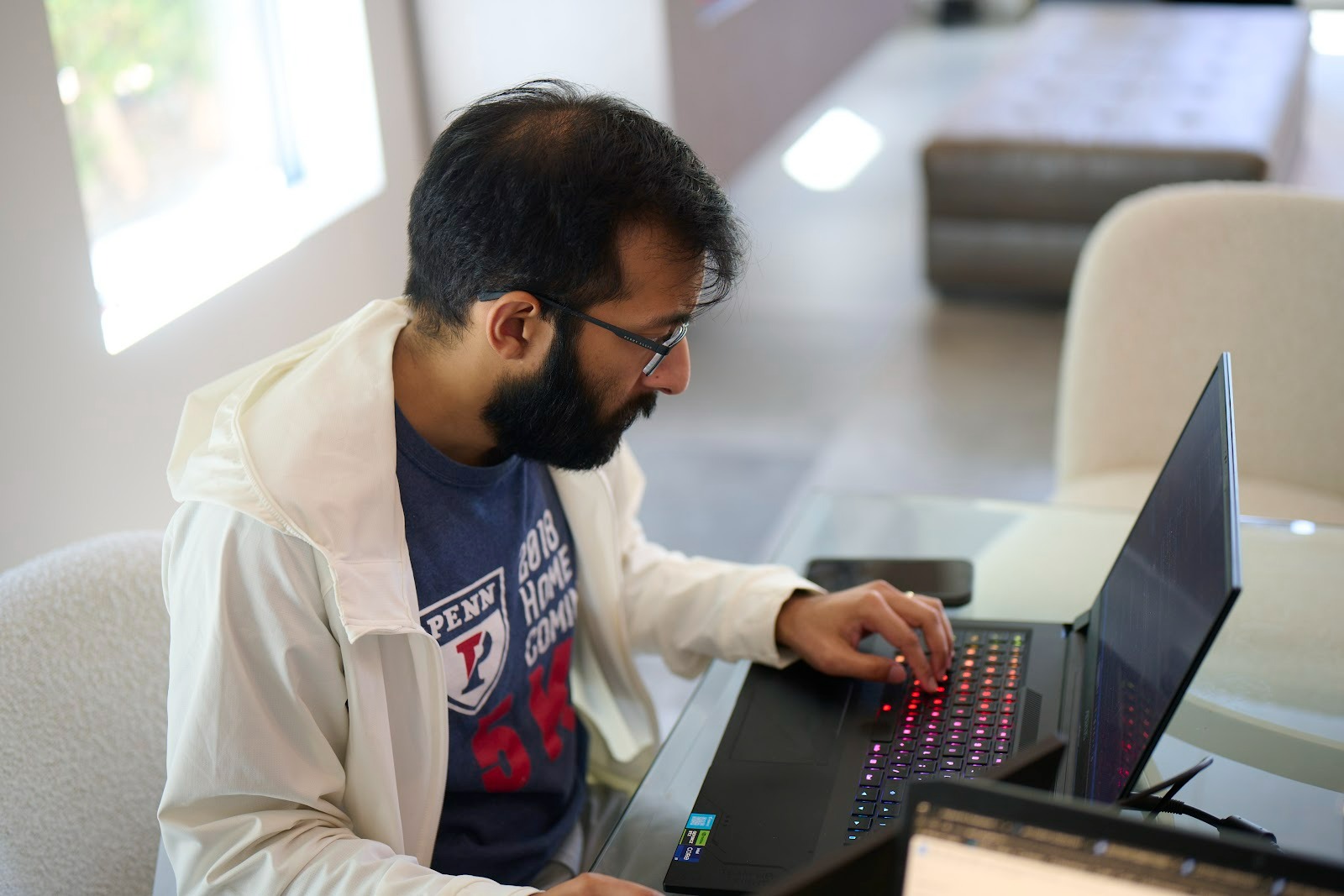
For Harshat Kumar, Quilter’s Reinforcement Learning Engineer, mathematics was always more than numbers; it was a way of understanding the world. “Growing up, I actually wanted to become a math professor,” he says. “My grandfather was a math professor.” But engineering soon became the bridge between theory and application.
Harshat’s path from the classrooms of Rutgers and the University of Pennsylvania to Quilter’s physics-driven AI design challenges shows what happens when intellectual rigor meets practical innovation. “If there’s anybody who’s going to be able to solve it, it’s this team,” he recalls of his first conversations with Sergiy and the founders. “So I was more than happy to join once I got the offer.” Humans in the Loop highlights people like Harshat, whose curiosity and persistence transform abstract ideas into tangible progress.
Origins
“I knew that I had always wanted to do mathematics,” Harshat reflects. “And then to be profitable or to have a job, I decided to do engineering.” The decision led him to electrical and computer engineering with a double major in mathematics. “That electrical engineering backbone kind of helps more than I expected it to,” he says. “I was definitely more on the signal processing algorithm side, but I do have some basic understanding of electronic components, which is beneficial overall.”
It was a simple classroom experience that redirected him toward machine learning. “One of the courses I took senior year opened my eyes to machine learning and the promise of it,” he says. “From a signal processing and optimization standpoint, it just made sense.” His fascination with reinforcement learning came from a different impulse entirely, the discomfort of not understanding something. “I’m the type of person that if there’s something I can’t understand, I dive deep into it until I do.”
Journeys in Engineering
At the University of Pennsylvania, Harshat’s PhD focused on “Deriving rates of convergence for different Reinforcement Learning algorithms.” He describes it as “a very math-heavy PhD,” but one that taught him the precision and patience needed to connect theory with practical design.
That rigor carried through to his time at Johns Hopkins Applied Physics Lab, where he “got some exposure to more of the state-of-the-art model-based reinforcement learning algorithms.” Yet it was at Quilter that his mindset expanded beyond the academic. “One thing that I’ve been appreciating this past year is that there’s a whole other branch of engineering, which is scaling it up or actually solving the problem at an industry level,” he explains. “You could have the best algorithm in theory, but if it takes forever to run, what good is it?”
For Harshat, optimization now lives in both theory and execution. “There are a lot of different buckets that you’re trying to optimize — time, compute, resources,” he says. “It becomes its own optimization problem.”
Why Quilter
When Harshat first encountered the role, he was hesitant. “I was a little bit hesitant to be working at a startup just because I had never thought about it before,” he admits. But conversations with the team changed that. “After a few conversations with Sergiy and the team, I was like, yeah — these are interesting problems. If there’s anybody who’s going to solve it, it’s this team.”
That belief has proven true. “It’s been really fun because it’s so different from academia, where you have so many assumptions that are just given to you,” he says. “In reinforcement learning research, you assume the environments are fixed like the cart-pole or mountain car but in industry, you have to define the game itself.”
At Quilter, Harshat’s mathematical background meets the complexity of real-world systems, and the result is a dynamic feedback loop between research and production. “Things can always get better,” he says. “You can always decrease the footprint, always optimize. That’s what’s so exciting.”
Beyond the Workbench
Outside of work, Harshat and his wife — a medical resident with a love for mythology and literature — make time to “travel on the weekends occasionally when we have time.” His enthusiasm spills into smaller joys, too: “I love playing squash,” he laughs. “It’s been my pastime for as long as I can remember.”
He’s also rediscovering a love of reading: “I bought myself a Kindle and have been trying to pick up reading again.” And when the day winds down, it often ends in the kitchen. “My parents make this aloo paratha that’s always so good,” he says fondly, “and my wife makes dosa from scratch — it’s like bliss.” He smiles. “I think I’m a decent cook too, but she’s the better one.”
A Line to Remember
“All models are wrong, but some are useful,” Harshat says, quoting the statistician George Box. Then he adds his own quiet reflection: “There’s beauty in the mundane, my friend.”
Closing Note
What stands out about Harshat is how naturally he bridges two worlds: both the certainty of math and the open-endedness of engineering. His instinct to dive into what he doesn’t understand is what makes him, and the team around him, capable of transforming theory into practice.


.webp)