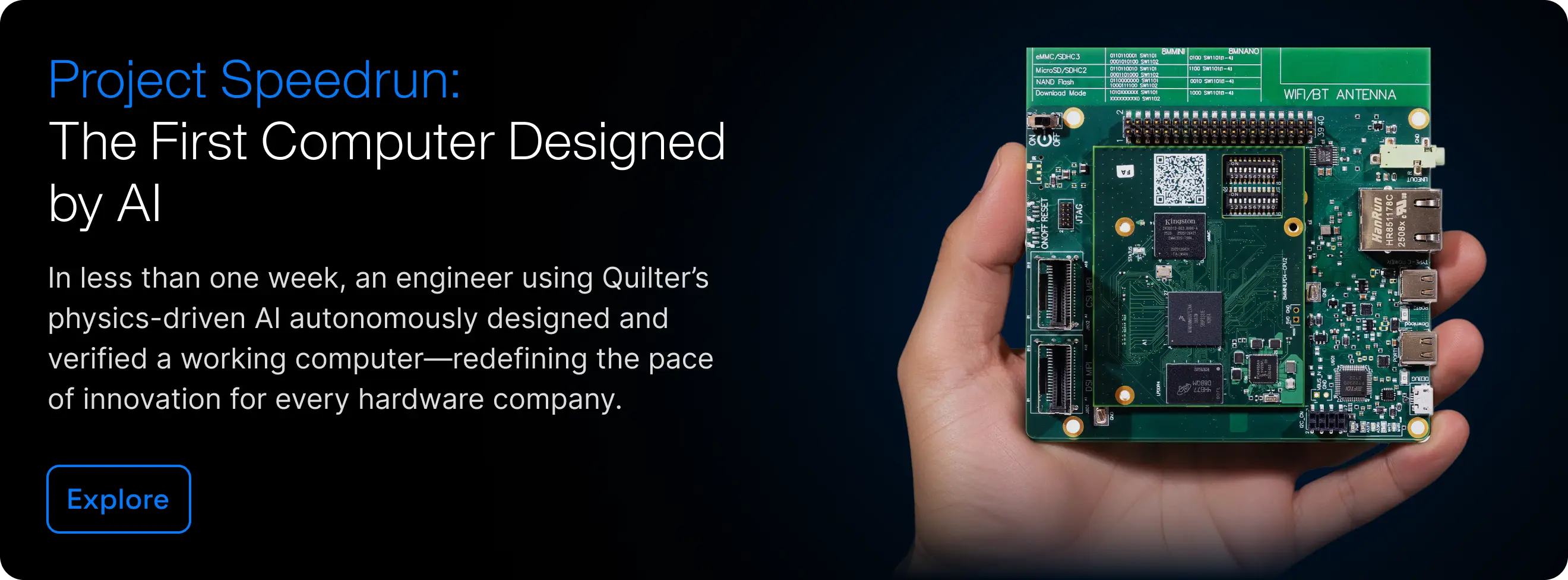
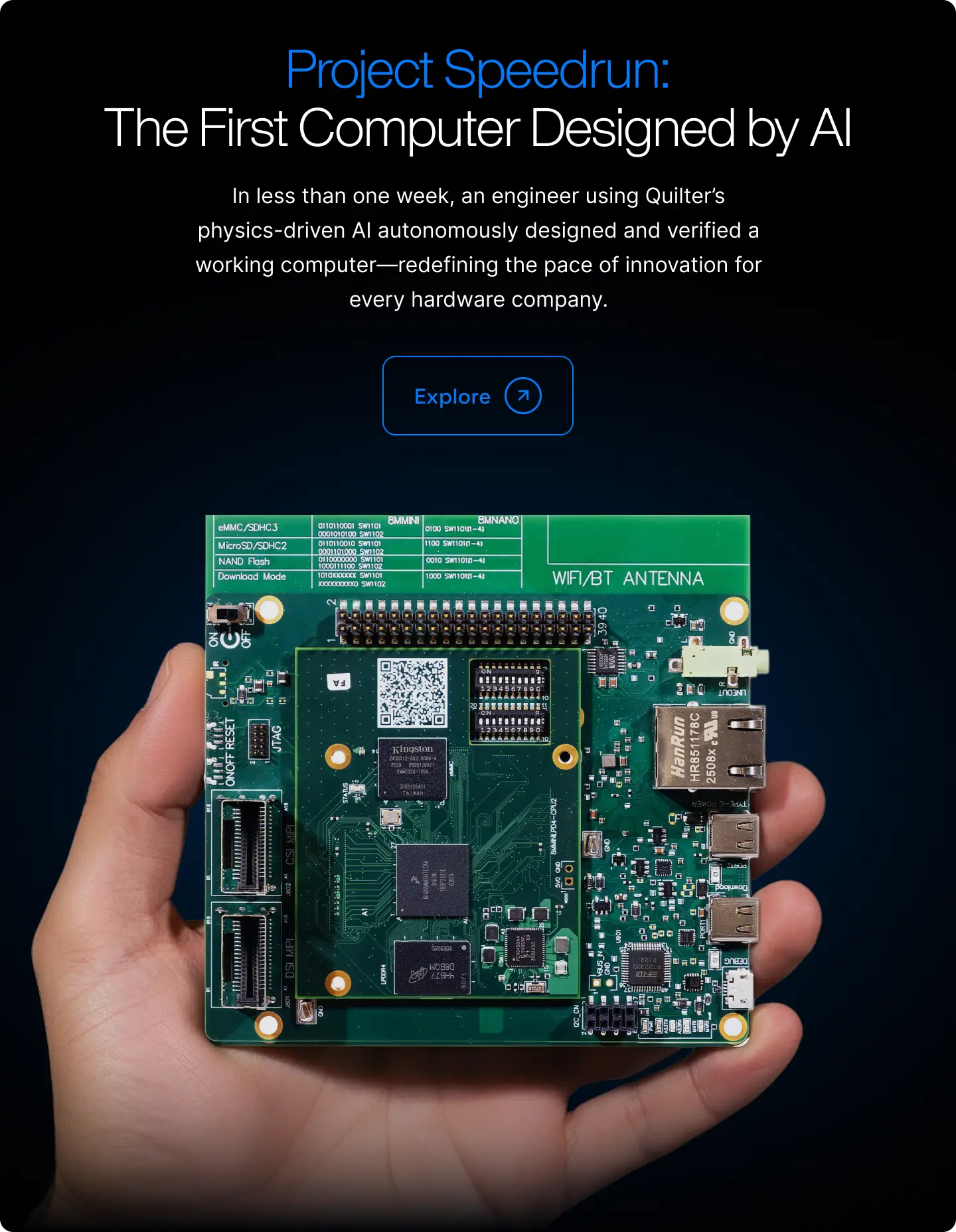




High-Speed PCB Design
What Is High-Speed PCB Design?
High-speed PCB design refers to the layout of printed circuit boards where signal rise times and data rates are fast enough that transmission line effects, electromagnetic coupling, and timing relationships between signals must be actively managed. While there is no universal frequency threshold, a common guideline is that high-speed considerations become important when the trace length approaches one-tenth of the signal's wavelength — which for modern digital signals often means any trace longer than a few centimeters.
High-speed design challenges include controlled impedance routing, differential pair management, length matching for parallel buses, via transition optimization, power delivery network design, and return path planning. Interfaces like PCIe Gen 4/5, DDR5, USB4, and 10/25/100G Ethernet all demand rigorous attention to these factors. A single layout mistake — such as a ground plane gap under a high-speed trace — can cause signal integrity failures that are difficult to diagnose without expensive lab equipment.
Accelerating High-Speed PCB Design With AI
High-speed PCB layout has traditionally been one of the most skill-intensive and time-consuming tasks in hardware development, often requiring the most experienced PCB designers. Physics-driven AI layout tools encode high-speed design principles — impedance control, length matching, return path continuity, and crosstalk avoidance — directly into their generation algorithms. This enables the production of high-speed layouts that meet stringent electrical requirements autonomously, allowing expert designers to focus their time on the most challenging and novel aspects of their products.