




Silkscreen
What Is Silkscreen on a PCB?
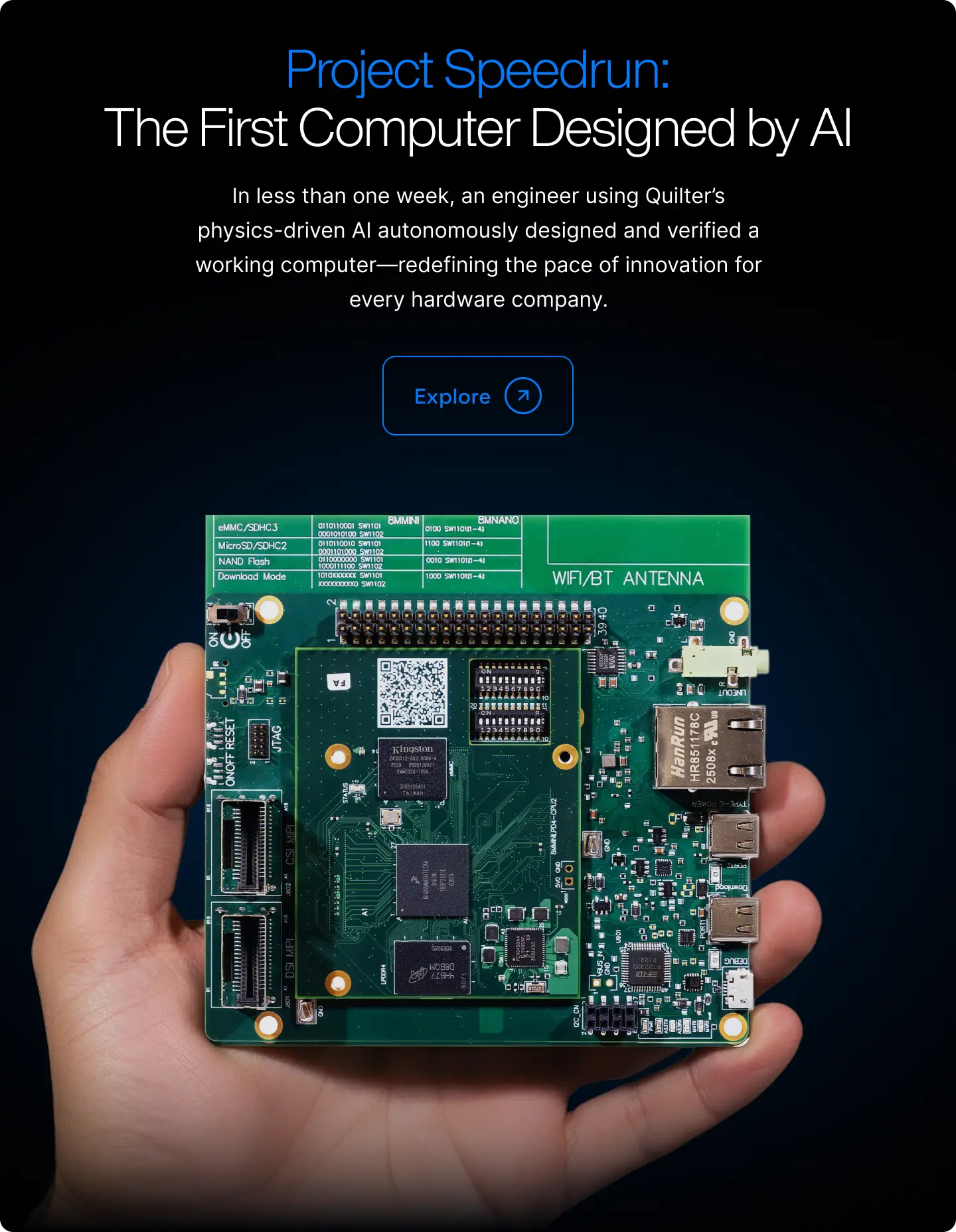
Silkscreen (also called legend or nomenclature) is the layer of printed text, symbols, and graphics applied to one or both surfaces of a PCB using ink. Silkscreen markings serve multiple purposes: identifying component locations with reference designators (R1, C5, U3), indicating component polarity and pin 1 orientation, marking test points and connector pin-outs, displaying board revision numbers and manufacturing date codes, and providing assembly instructions for manual operations. While silkscreen has no electrical function, it is essential for efficient manufacturing, assembly inspection, debugging, and field service.
Silkscreen design requires attention to readability and manufacturing constraints. Text and symbols must be large enough to be legible (minimum 0.8mm to 1.0mm character height for most fabricators), placed with adequate clearance from solder pads to avoid interfering with solder joints, and oriented consistently for readability during assembly and inspection. Silkscreen that overlaps pads can cause solder wetting issues during assembly, and silkscreen that is too small or poorly placed reduces its value for identifying components during debugging or repair.
Clean Silkscreen in Automated Layout
Silkscreen placement is one of the most tedious and time-consuming aspects of finishing a PCB layout, often left as a manual cleanup task after routing is complete. AI-powered layout tools can automate silkscreen placement as part of the layout generation process, positioning reference designators with consistent orientation, adequate pad clearance, and readable sizing. This automated approach ensures that every component is properly labeled without the hours of manual silkscreen adjustment that designers typically spend during layout finalization.