




Differential Pairs
Understanding Differential Pairs in PCB Design
Differential pairs consist of two copper traces routed in parallel on a printed circuit board, carrying equal and opposite signals. This signaling method is fundamental to high-speed digital interfaces including USB, HDMI, PCIe, Ethernet, and LVDS. Because the receiver reads the voltage difference between the two traces rather than the absolute voltage of either one, differential signaling inherently rejects common-mode noise — making it far more resilient in electrically noisy environments.
Proper differential pair routing requires tight control over trace spacing, length matching, and impedance. The two traces must maintain consistent separation throughout their path to preserve the target differential impedance, typically 90Ω or 100Ω depending on the interface standard. Length mismatches between the positive and negative traces introduce timing skew that degrades signal quality at high data rates.
Why Differential Pair Constraints Must Be Enforced During Layout
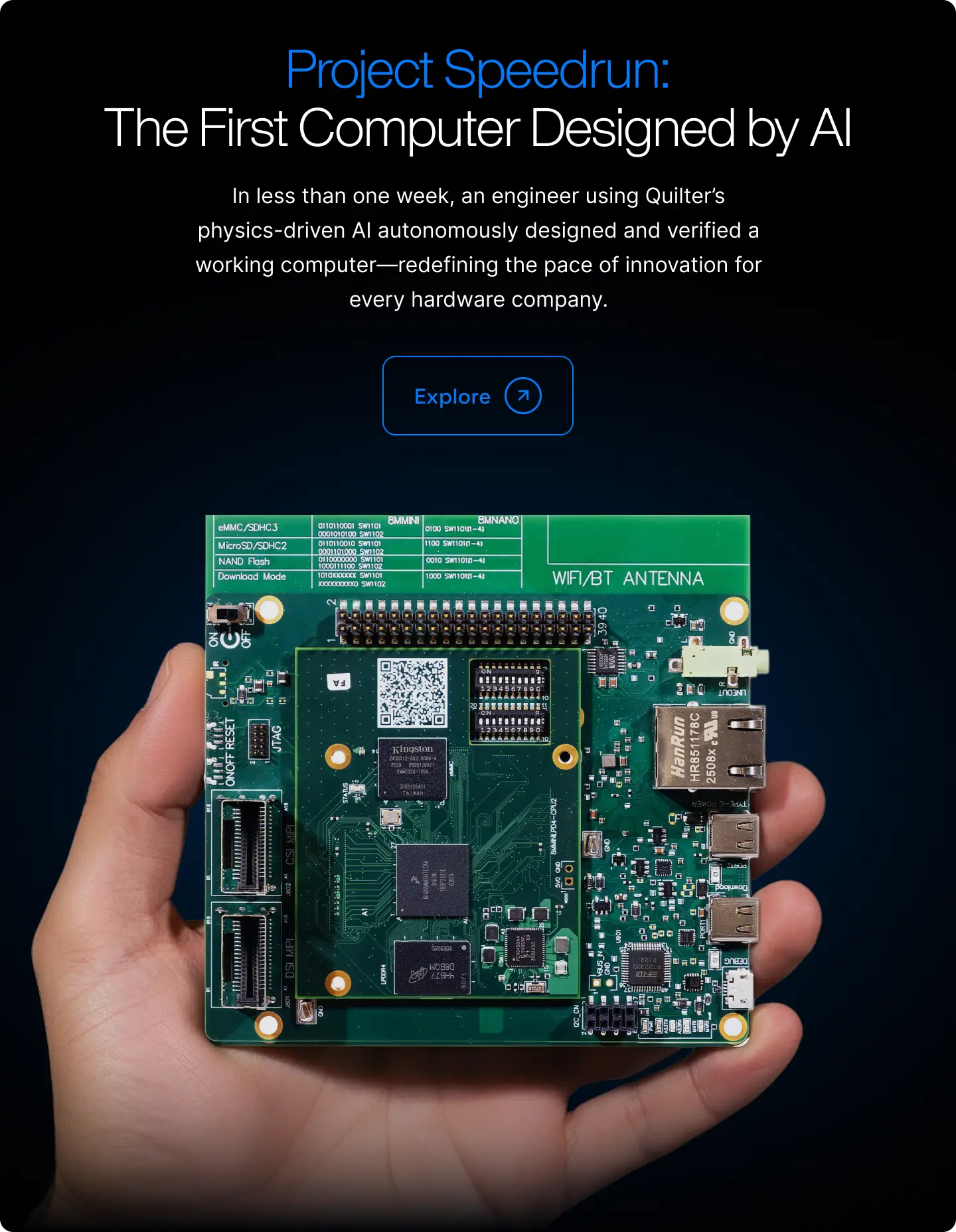
In traditional PCB design workflows, differential pair violations are often caught only during post-layout design rule checks, forcing costly rework. Modern physics-driven layout tools enforce differential pair constraints during the generation process itself — maintaining correct spacing, impedance targets, and length matching as traces are routed. This approach eliminates violations before they happen and produces cleaner layouts that pass verification on the first attempt, significantly accelerating the design cycle.