






Schematic Capture
What Is Schematic Capture?
Schematic capture is the first major step in the PCB design workflow, where engineers create a circuit diagram that defines every component in the design and the electrical connections (nets) between them. The schematic serves as the logical blueprint for the entire board — it specifies which pins of which components are connected, defines net names, assigns component values and part numbers, and establishes the design intent that the subsequent layout phase must implement. Tools like Altium Designer, Cadence OrCAD, and KiCad all provide schematic capture environments.
A well-organized schematic is essential for design review, debugging, and long-term maintainability. Engineers use hierarchical sheets to break complex designs into logical blocks, apply net labels and power symbols consistently, and annotate the schematic with notes on critical signal requirements such as impedance targets, length constraints, and keep-out zones. The quality of the schematic directly influences the efficiency of every downstream step — from PCB layout to manufacturing to field troubleshooting.
From Schematic to Layout: Bridging the Gap With AI
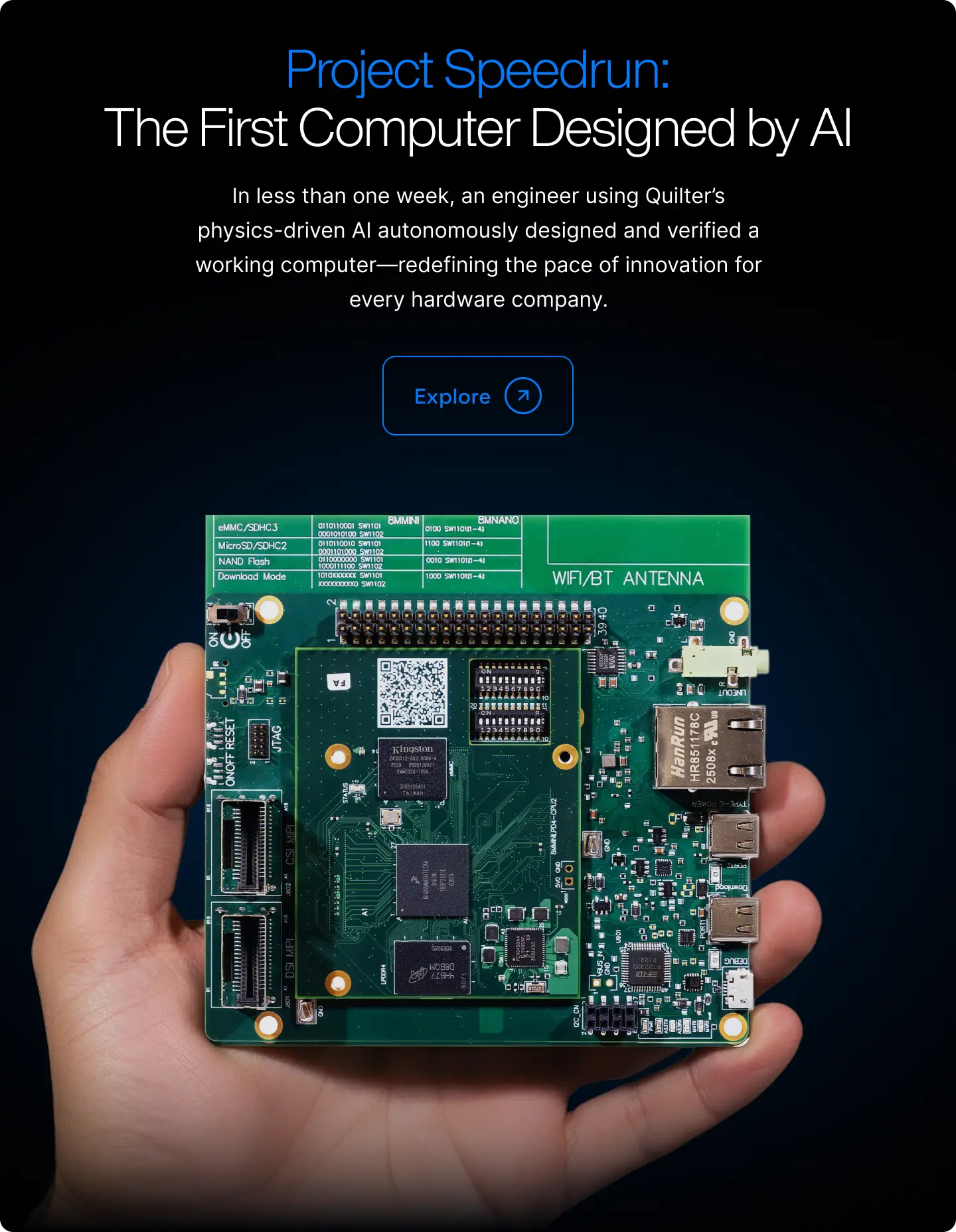
The transition from schematic capture to PCB layout has traditionally been a manual, expertise-intensive handoff. Engineers must interpret the schematic's logical organization and translate it into a physical arrangement that satisfies electrical, thermal, and mechanical constraints. AI-powered layout engines accelerate this transition by ingesting schematic netlists and constraint definitions directly, then autonomously generating optimized physical layouts. This tighter coupling between schematic intent and physical implementation reduces translation errors and allows engineers to move from circuit design to validated layout candidates in hours rather than weeks.
.webp)

