



Newsletters

Published

Written by

Workbench

Winter newsletter

Published

February 5, 2024

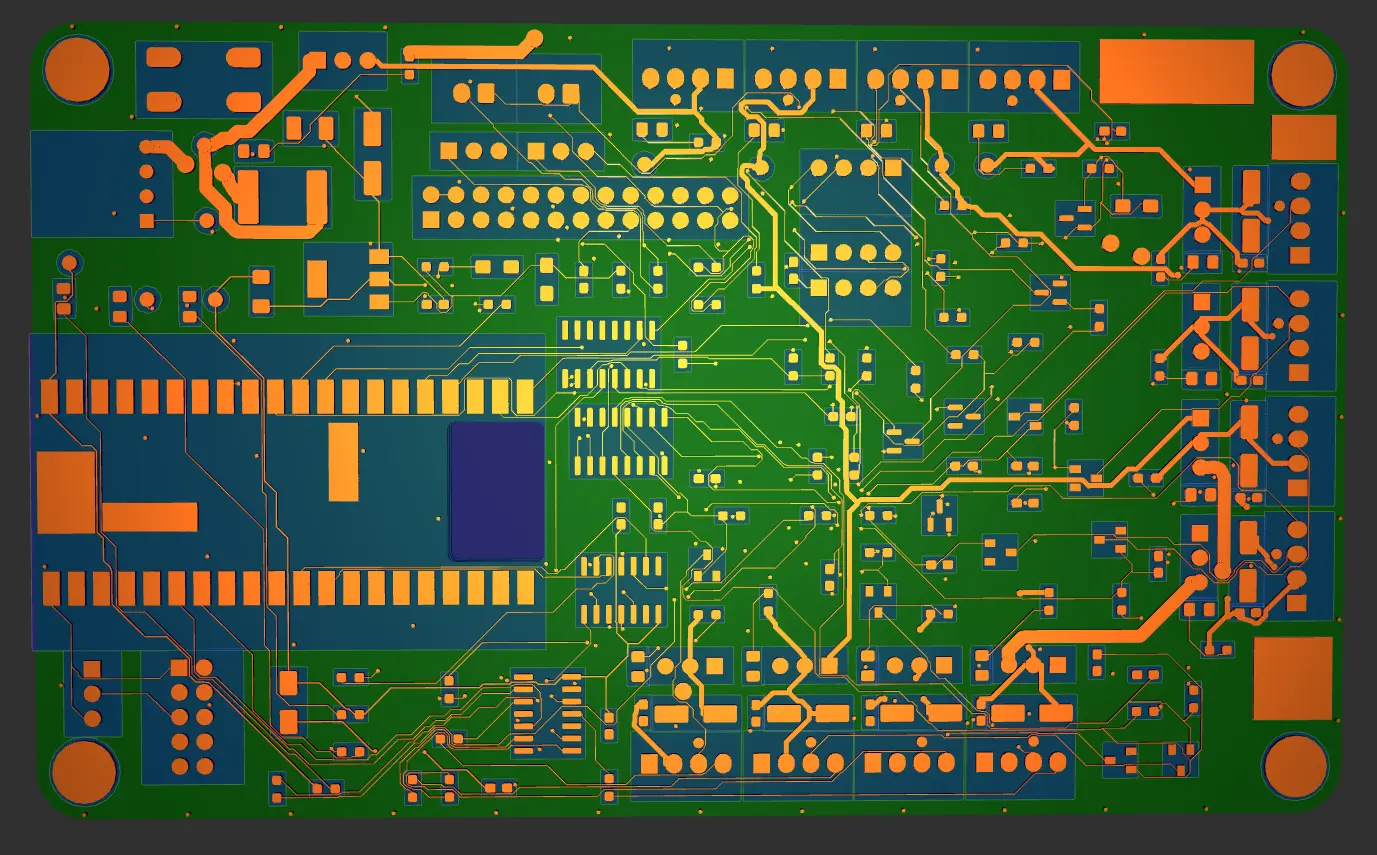
Quilter's traces are now octilinear by default.

1/ Octilinear Traces

In our last newsletter, we asked users to share theirfeedback on the visual appearance of Quilter's "curvy" traces. The response was clear – users said our curvy traces looked "messy" and "wrong" because they lacked the octilinear (45/90 deg) routing style of human-designed traces.

We're happy to share that Quilter now utilizes octilinear trace routing for all generic traces routed by our design agent. Try resubmitting a board designed prior to November to see the difference on your own design!

See for yourself

First it is thin, then it is thick!

2/ Thin-to-thick traces

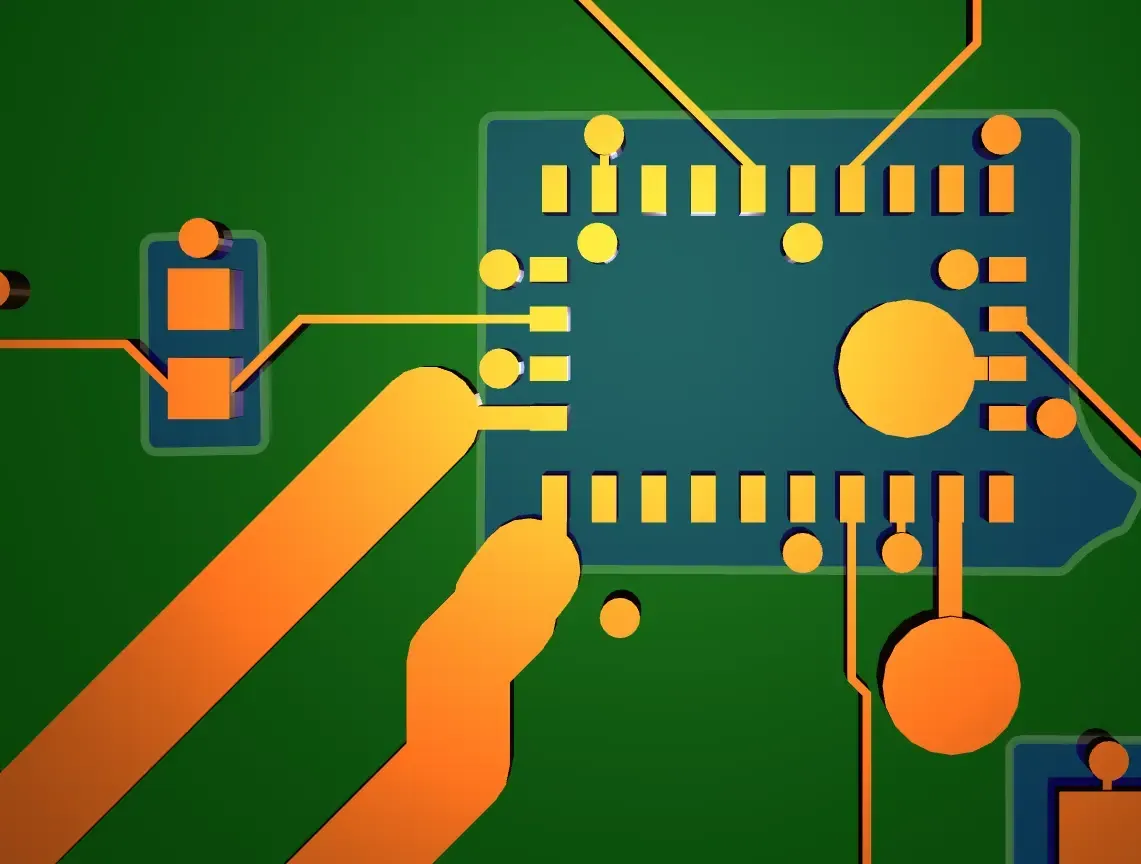
As of late December, Quilter's design agent has the ability to route traces with variable widths. This allows Quilter to better route power traces with minimum amperage requirements that terminate with fine-pitched ICs and connectors.

Try thin-to-thick

Post, comment, learn, and more!

3/ Quilter community forums

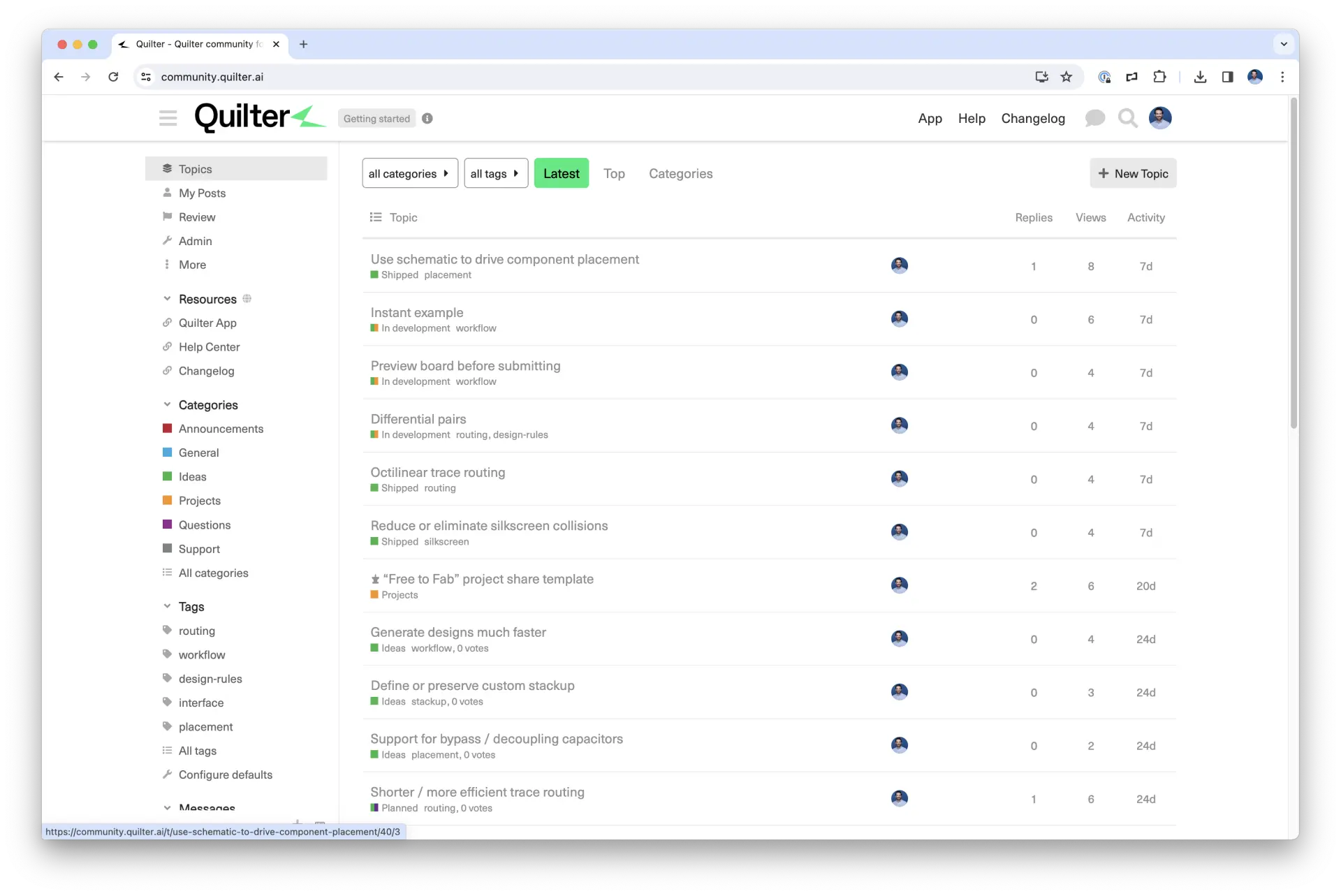
We're excited the announce the launch of our community forums at https://community.quilter.ai, where Quilter users can:

To join the community, simply log in with your existing Quilter email and password.

Visit the community

That's it for now, but we've got some big announcements and product updates coming in our January newsletter.

Stay tuned!

Try Quilter for Yourself

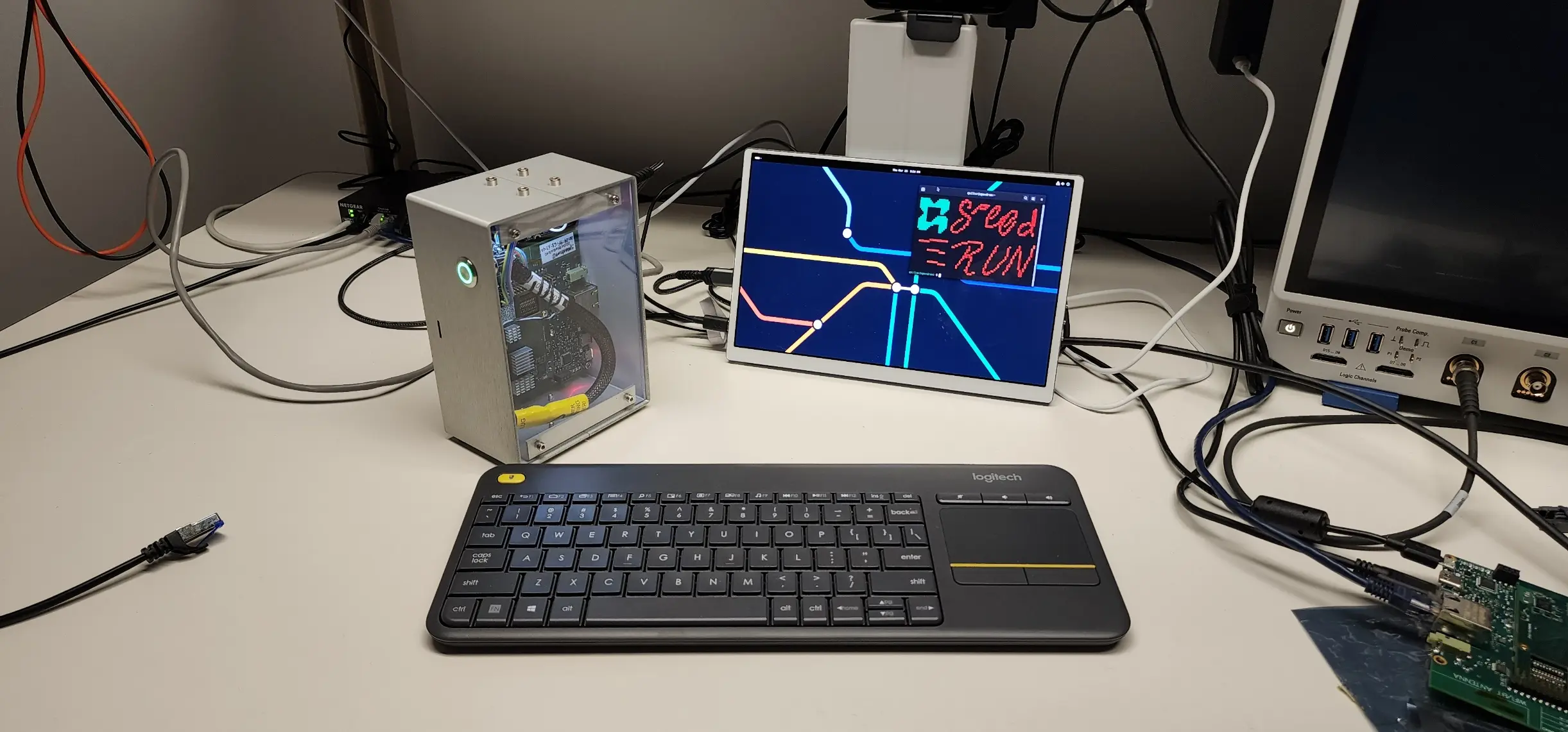
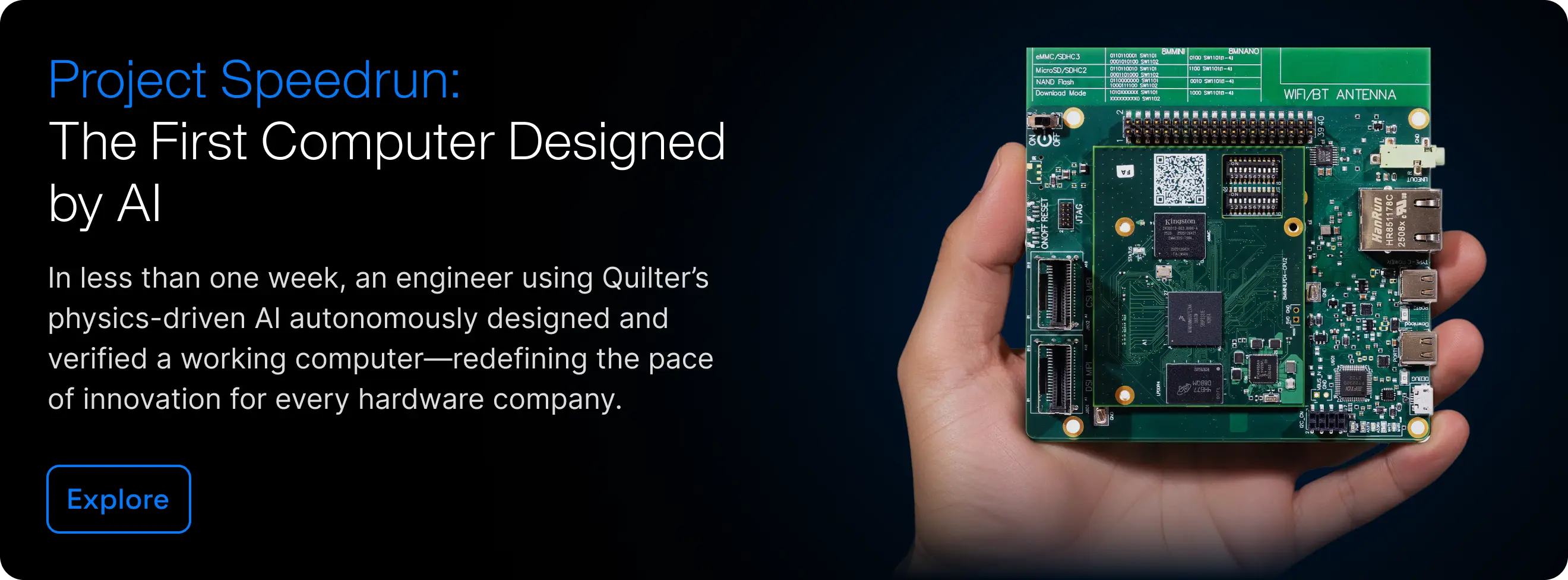
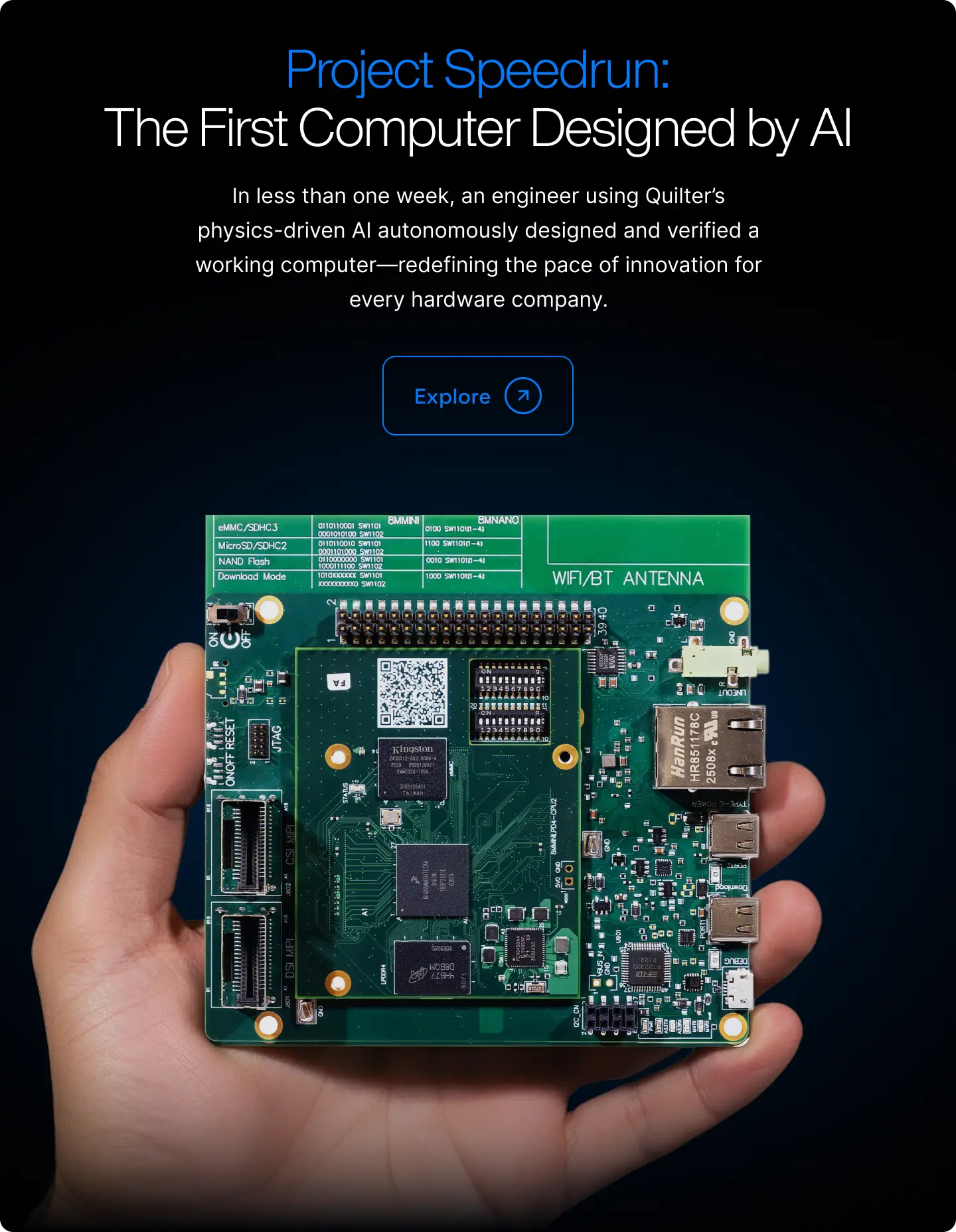
Project Speedrun demonstrated what autonomous layout looks like in practice and the time compression Quilter enables. Now, see it on your own hardware.

Get Started

Validating the Design

With cleanup complete, the final question is whether the hardware works. Power-on is where most electrical mistakes reveal themselves, and it’s the moment engineers are both nervous and excited about.

Continue to Part 4

Cleaning Up the Design

Autonomous layout produces a complete, DRC'd design; cleanup is a brief precision pass to finalize it for fabrication.

Continue to Part 3

Compiling the Design

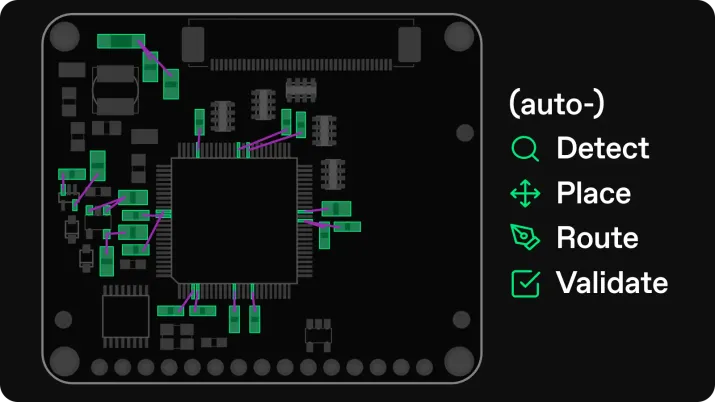
Once the design is prepared, the next step is handing it off to Quilter. In traditional workflows, this is where an engineer meets with a layout specialist to clarify intent. Quilter replaces that meeting with circuit comprehension: you upload the project, review how constraints are interpreted, and submit the job.

Continue to Part 2

Winter newsletter

February 5, 2024
by
Sergiy Nesterenko
and
Quilter's traces are now octilinear by default.

1/ Octilinear Traces

In our last newsletter, we asked users to share theirfeedback on the visual appearance of Quilter's "curvy" traces. The response was clear – users said our curvy traces looked "messy" and "wrong" because they lacked the octilinear (45/90 deg) routing style of human-designed traces.

We're happy to share that Quilter now utilizes octilinear trace routing for all generic traces routed by our design agent. Try resubmitting a board designed prior to November to see the difference on your own design!

See for yourself

First it is thin, then it is thick!

2/ Thin-to-thick traces

As of late December, Quilter's design agent has the ability to route traces with variable widths. This allows Quilter to better route power traces with minimum amperage requirements that terminate with fine-pitched ICs and connectors.

Try thin-to-thick

Post, comment, learn, and more!

3/ Quilter community forums

We're excited the announce the launch of our community forums at https://community.quilter.ai, where Quilter users can:

To join the community, simply log in with your existing Quilter email and password.

Visit the community

That's it for now, but we've got some big announcements and product updates coming in our January newsletter.

Stay tuned!