



Workbench

Published

Written by

Workbench

I2C comms

Published

October 16, 2024

I2C comms

Two devices, the LCD shown above and a trio of sensors in one package, are communicating over the I2C bus at the same time. I captured the SDA (data, red) and SCL (clock, yellow) clock signals while both devices were running.

I2C signal -SCL (yellow), SDA (red)- from an LCD and pressure, temperature, and humidity sensors.

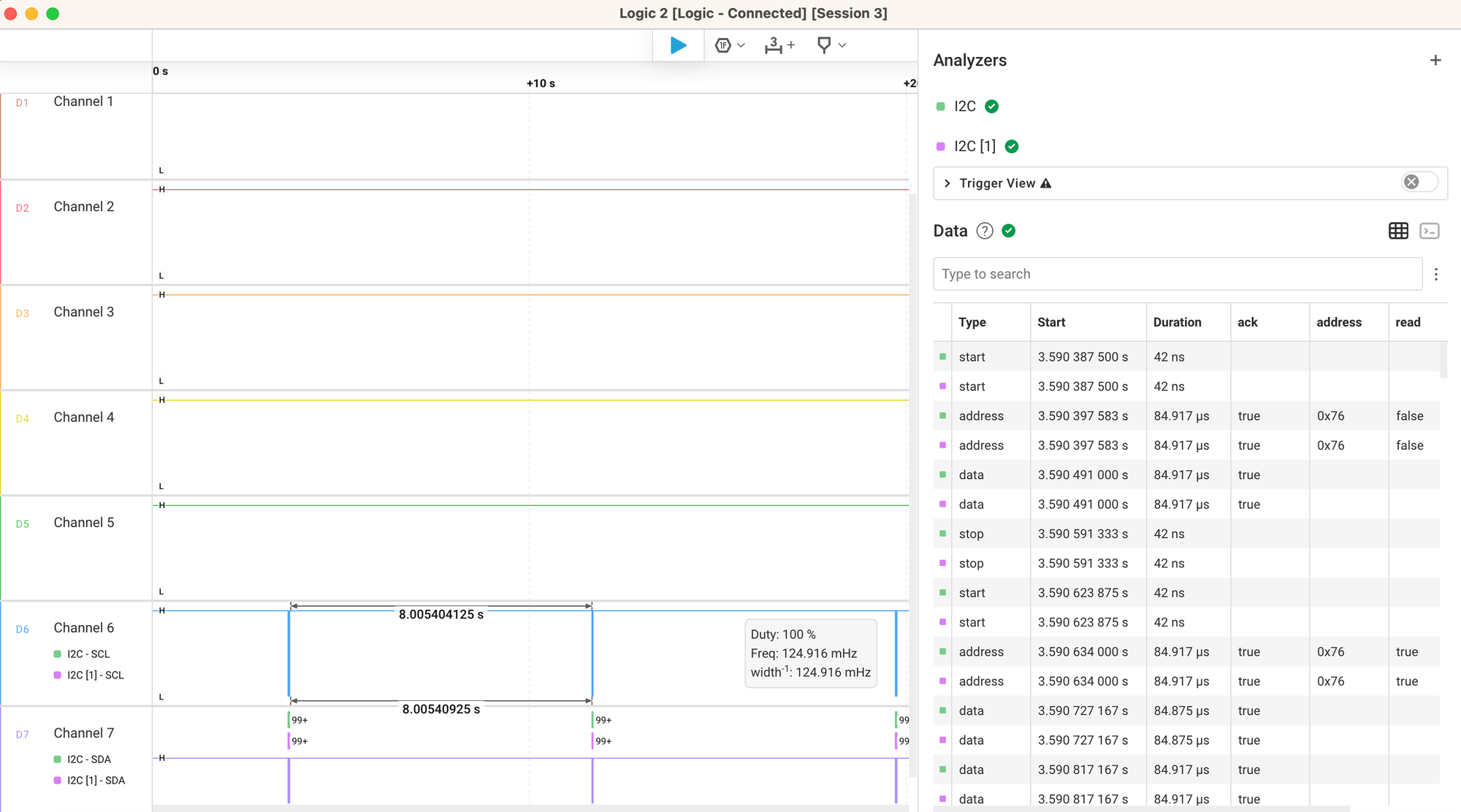
For fun, I used a Saleae logic analyzer to poke at this signal. We can see the address of the sensor 0x76 and an 8 second delay that I programmed into the sketch. Unsurprisingly, the logic analyzer correctly recognizes these signals as I2C!

I2C signal capture with logic analyzer

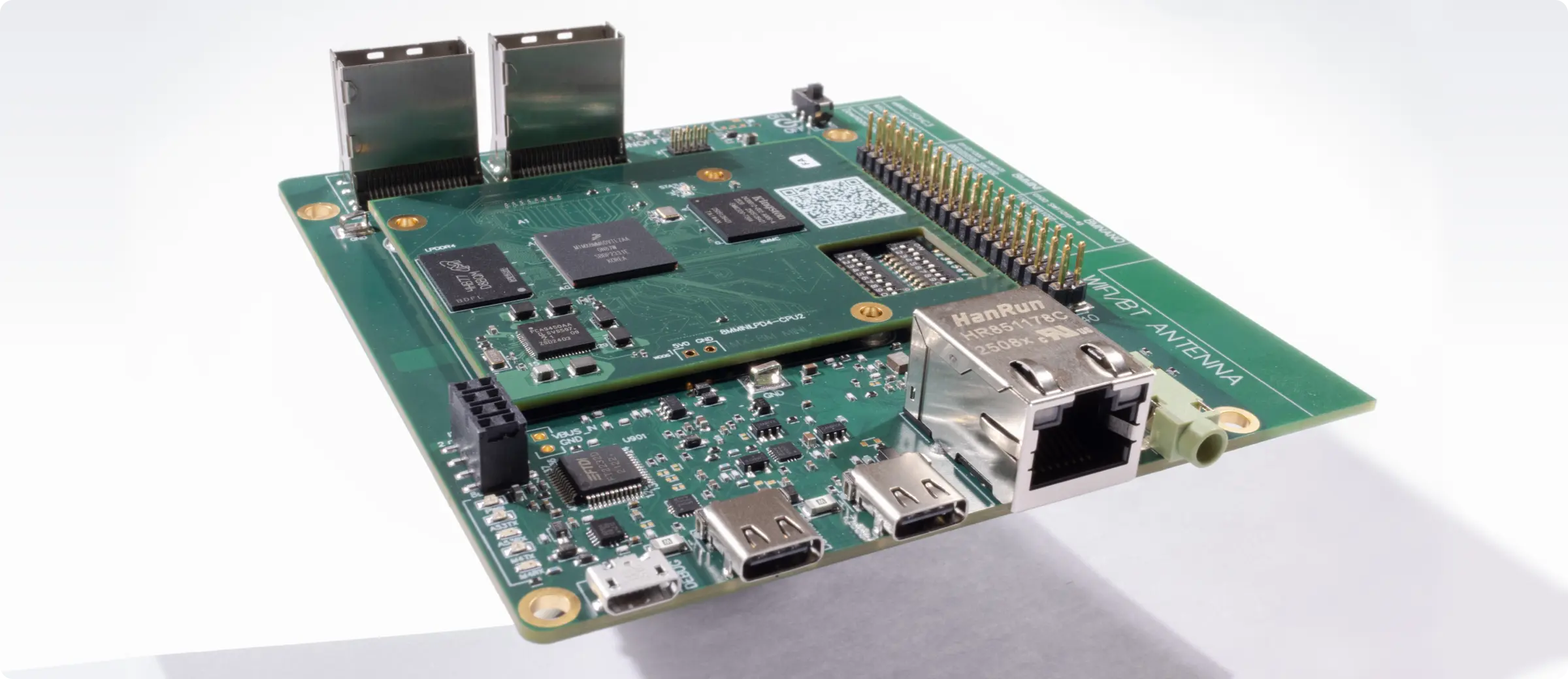
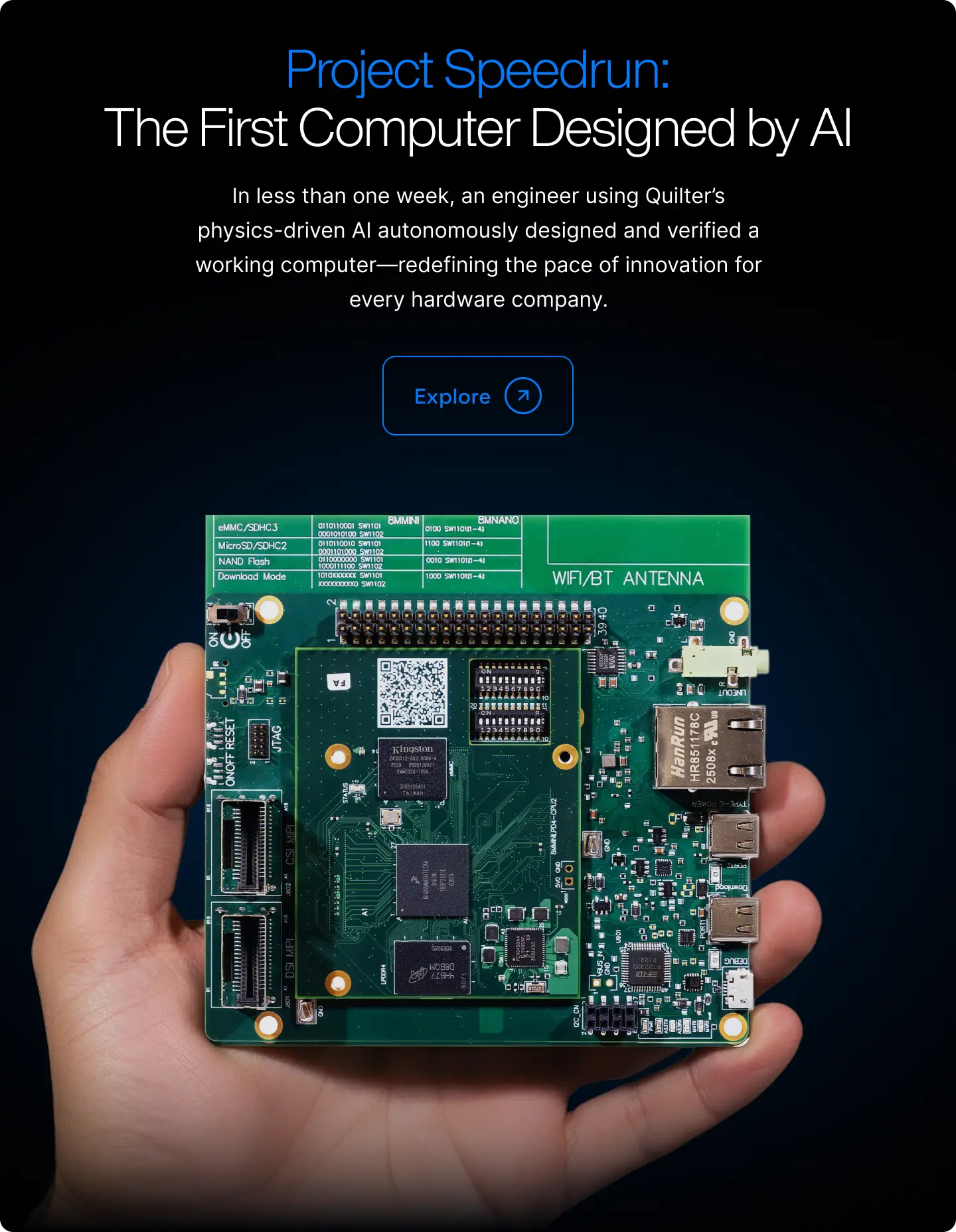
I successfully validated the I2C communication on a Quilter-designed board, confirming proper functionality with two devices connected to the bus.

Try Quilter for Yourself

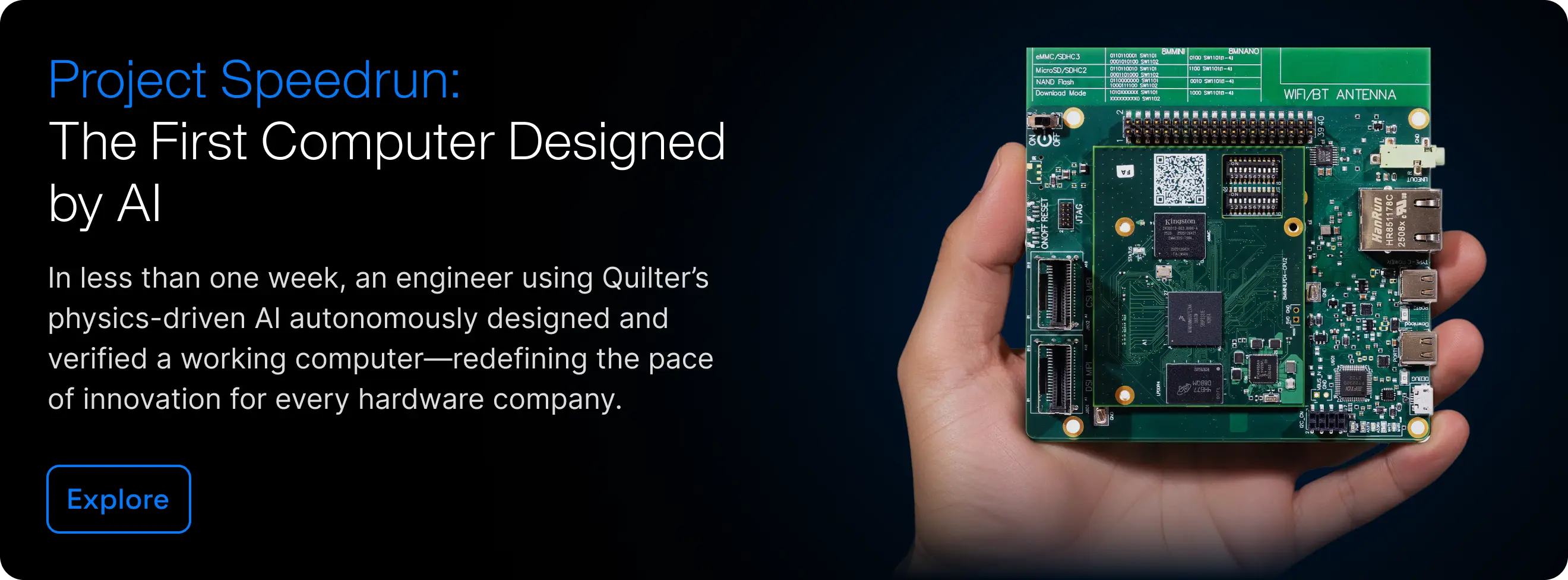
Project Speedrun demonstrated what autonomous layout looks like in practice and the time compression Quilter enables. Now, see it on your own hardware.

Get Started

Validating the Design

With cleanup complete, the final question is whether the hardware works. Power-on is where most electrical mistakes reveal themselves, and it’s the moment engineers are both nervous and excited about.

Continue to Part 4

Cleaning Up the Design

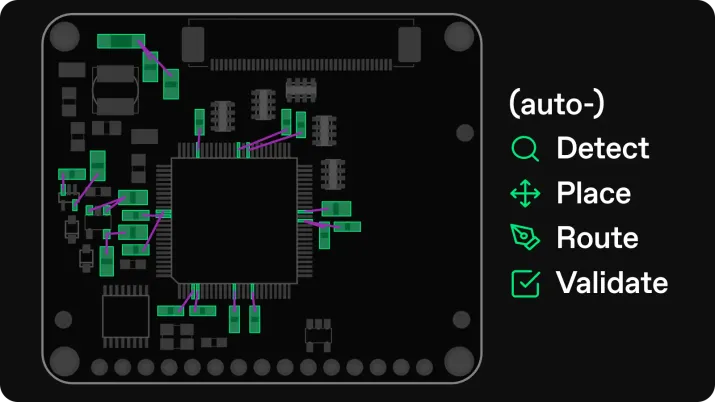
Autonomous layout produces a complete, DRC'd design; cleanup is a brief precision pass to finalize it for fabrication.

Continue to Part 3

Compiling the Design

Once the design is prepared, the next step is handing it off to Quilter. In traditional workflows, this is where an engineer meets with a layout specialist to clarify intent. Quilter replaces that meeting with circuit comprehension: you upload the project, review how constraints are interpreted, and submit the job.

Continue to Part 2

I2C comms

October 16, 2024
by
Sergiy Nesterenko
and

I2C comms

Two devices, the LCD shown above and a trio of sensors in one package, are communicating over the I2C bus at the same time. I captured the SDA (data, red) and SCL (clock, yellow) clock signals while both devices were running.

I2C signal -SCL (yellow), SDA (red)- from an LCD and pressure, temperature, and humidity sensors.

For fun, I used a Saleae logic analyzer to poke at this signal. We can see the address of the sensor 0x76 and an 8 second delay that I programmed into the sketch. Unsurprisingly, the logic analyzer correctly recognizes these signals as I2C!

I2C signal capture with logic analyzer

I successfully validated the I2C communication on a Quilter-designed board, confirming proper functionality with two devices connected to the bus.