




Workbench

Published

Written by

Workbench

Qmotor

Published

March 29, 2023

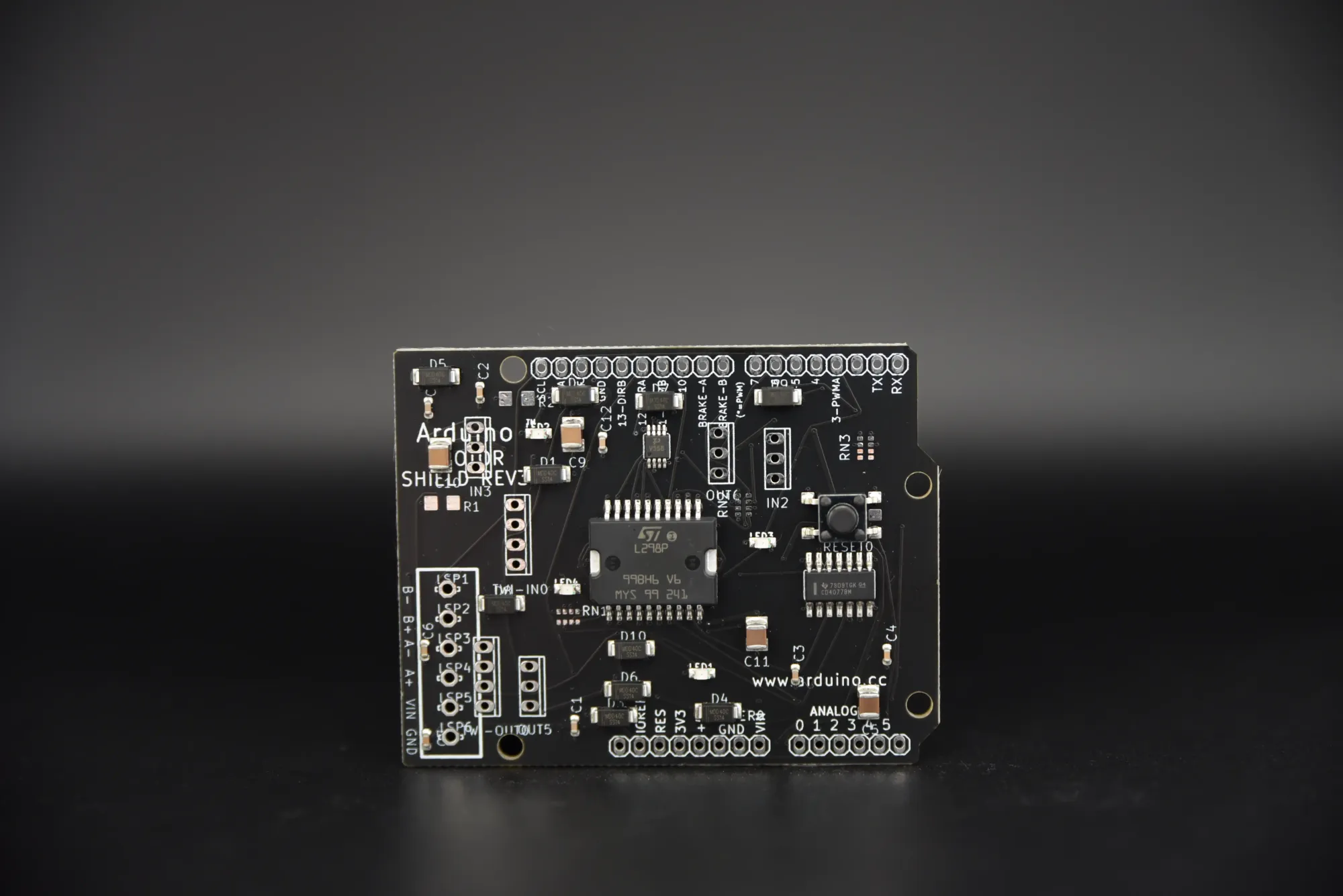
Some boards need power! For our next feature focus, we decided to stress test Quilter’s ability to design boards that need higher currents. For our first take, we decided to implement a stepper motor driver.

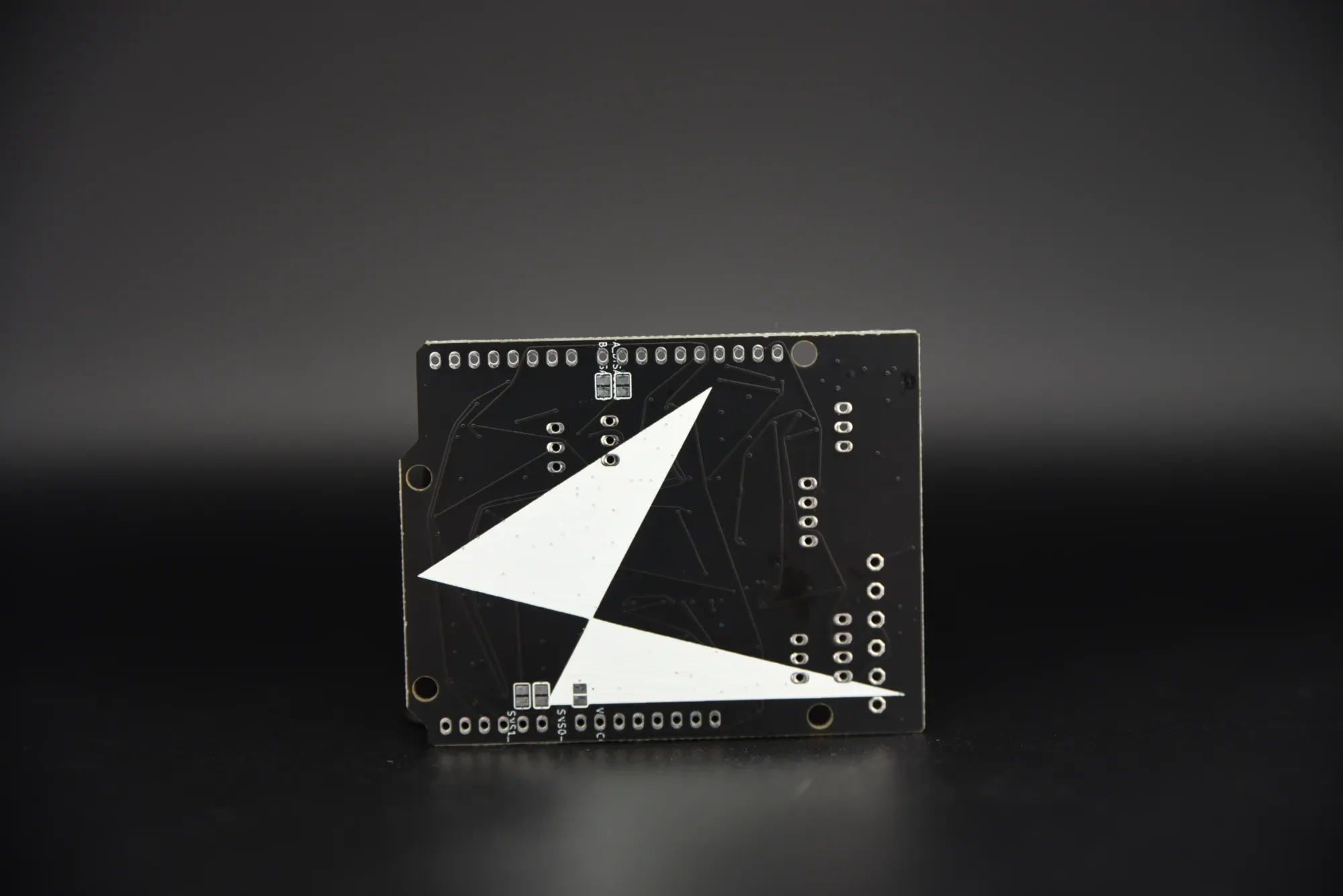
This board is based on the Arduino Motor Shield Rev3. This board is a shield that can be used with an Arduino Uno and can two DC motors or a single stepper motor.

This board is designed to handle up to about 4A of total current. For the design, we assigned a 4A ampacity to all high power traces. Quilter automatically assigns a minimum 52mil width to all traces to support the current.

Our input files are here and our our output design file is here.

The script we used to drive the motor is here.

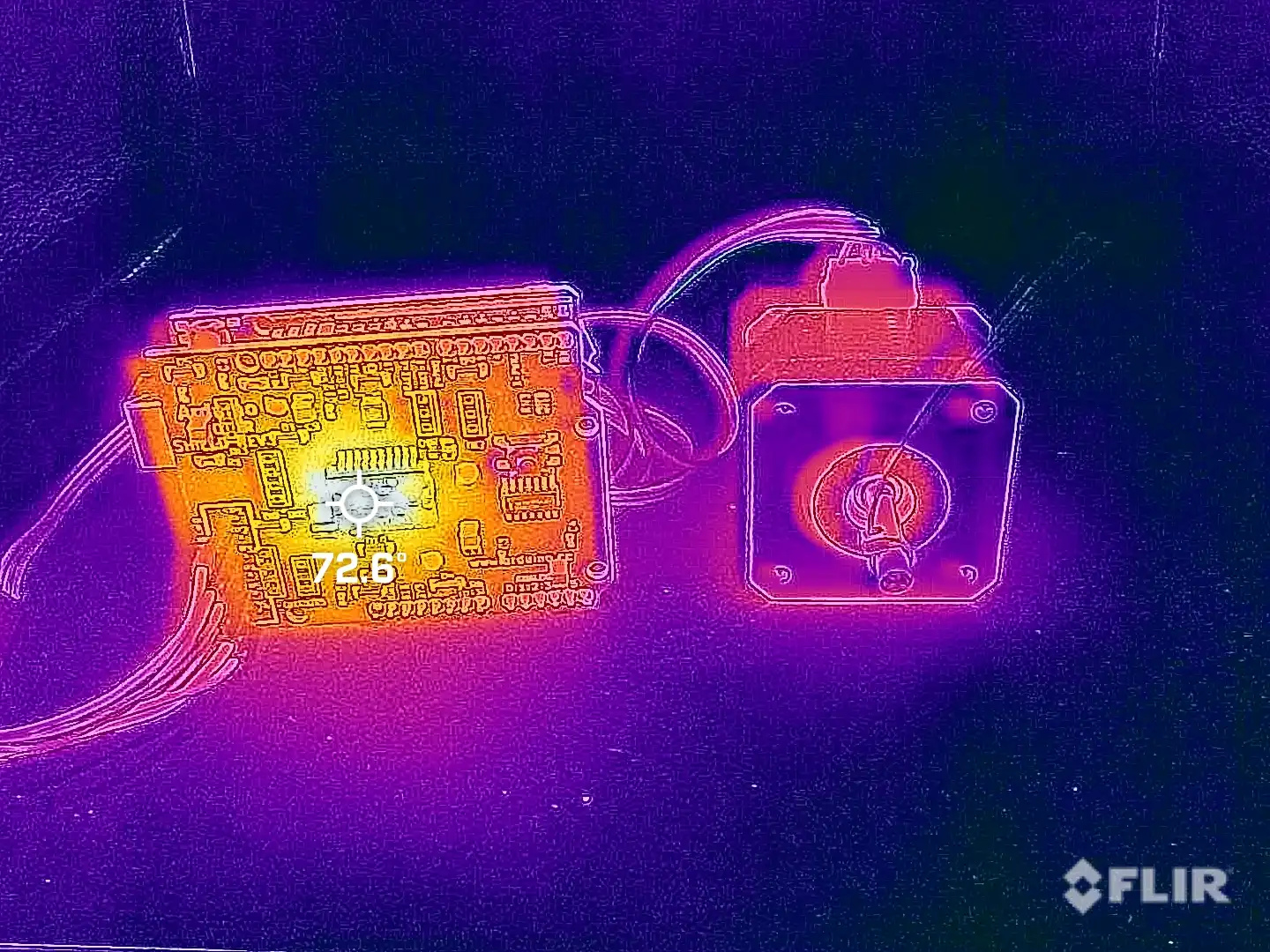
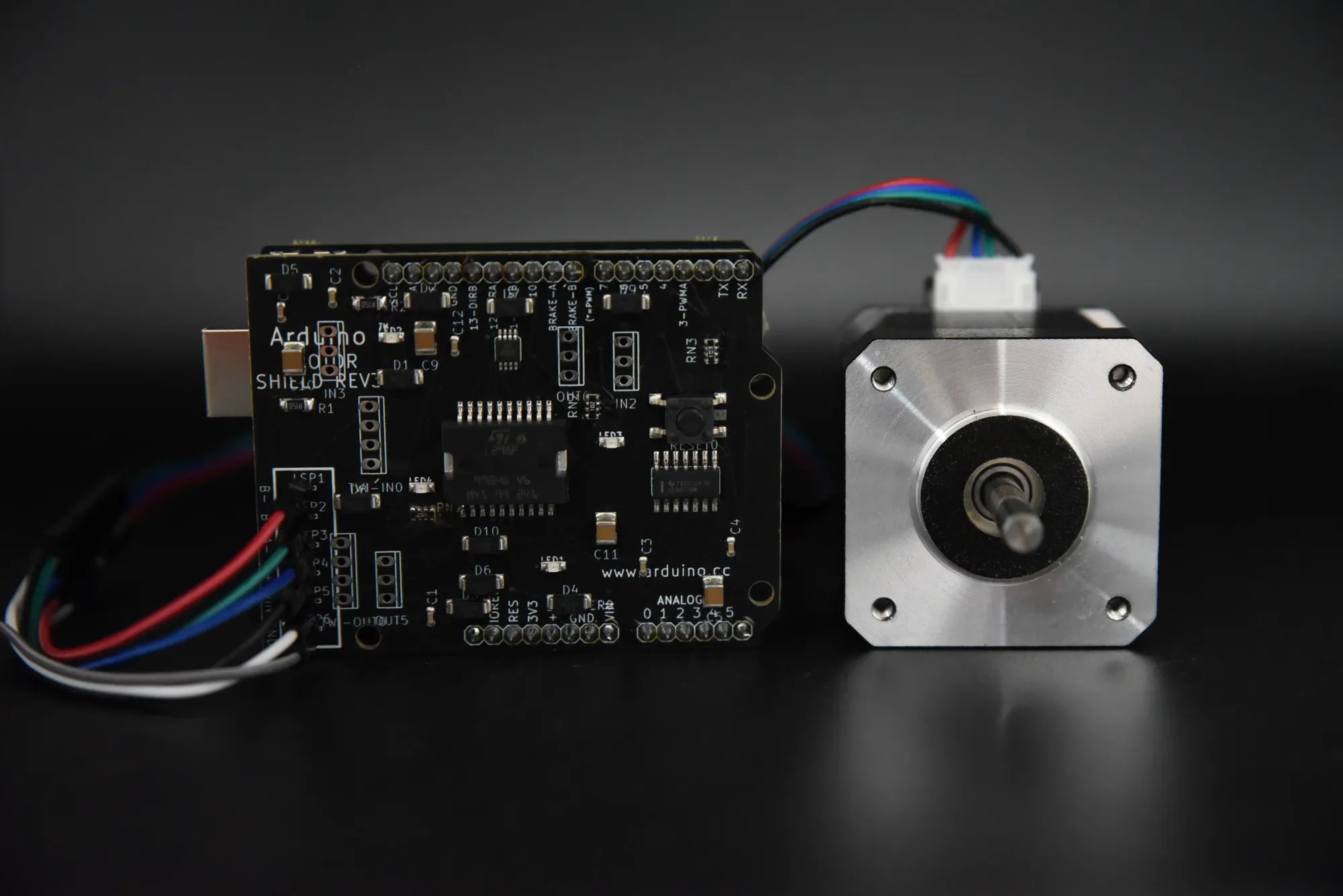
We coupled this shield with our Quilter-designed Arduino Uno. We tested the board with a simple stepper motor, which pulls 0.8A steady state. Checking for hot spots, we just see significant heat from the L298 (which is expected to reach over 100C in heavy use). Otherwise, no other hot spots were found.

We are excited to start Quilter’s journey into high power design! What should we build next?

Try Quilter for Yourself

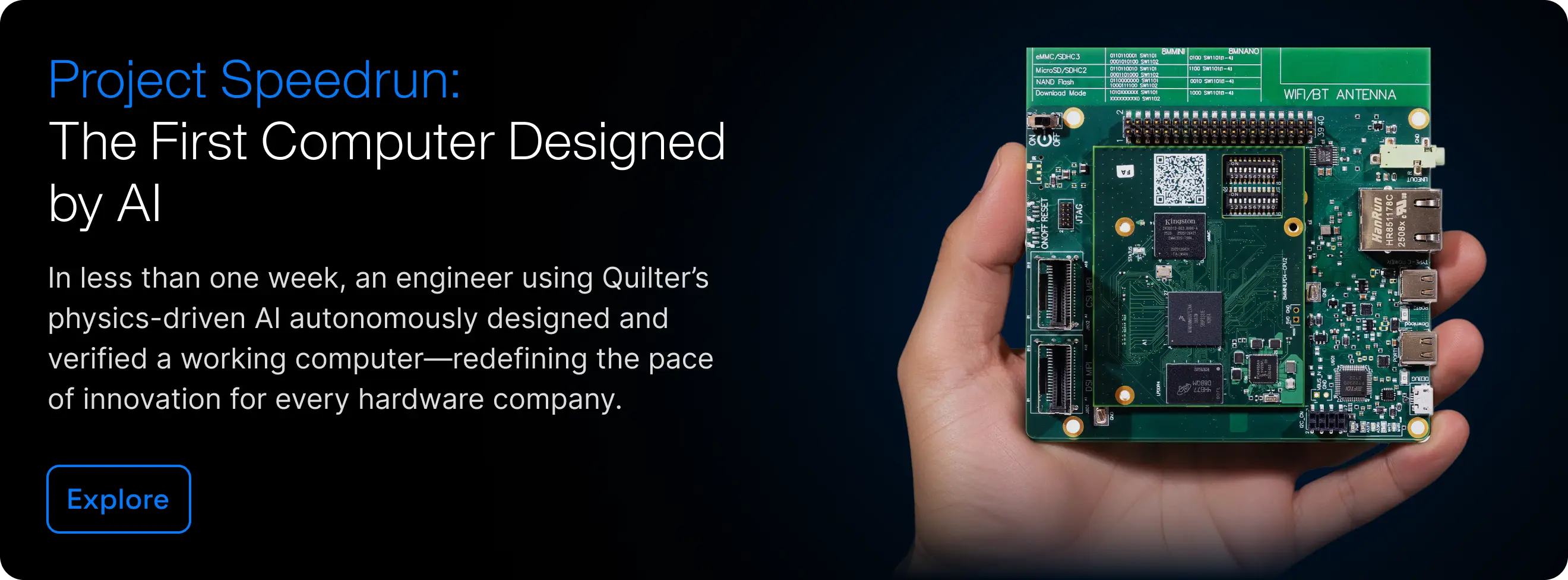
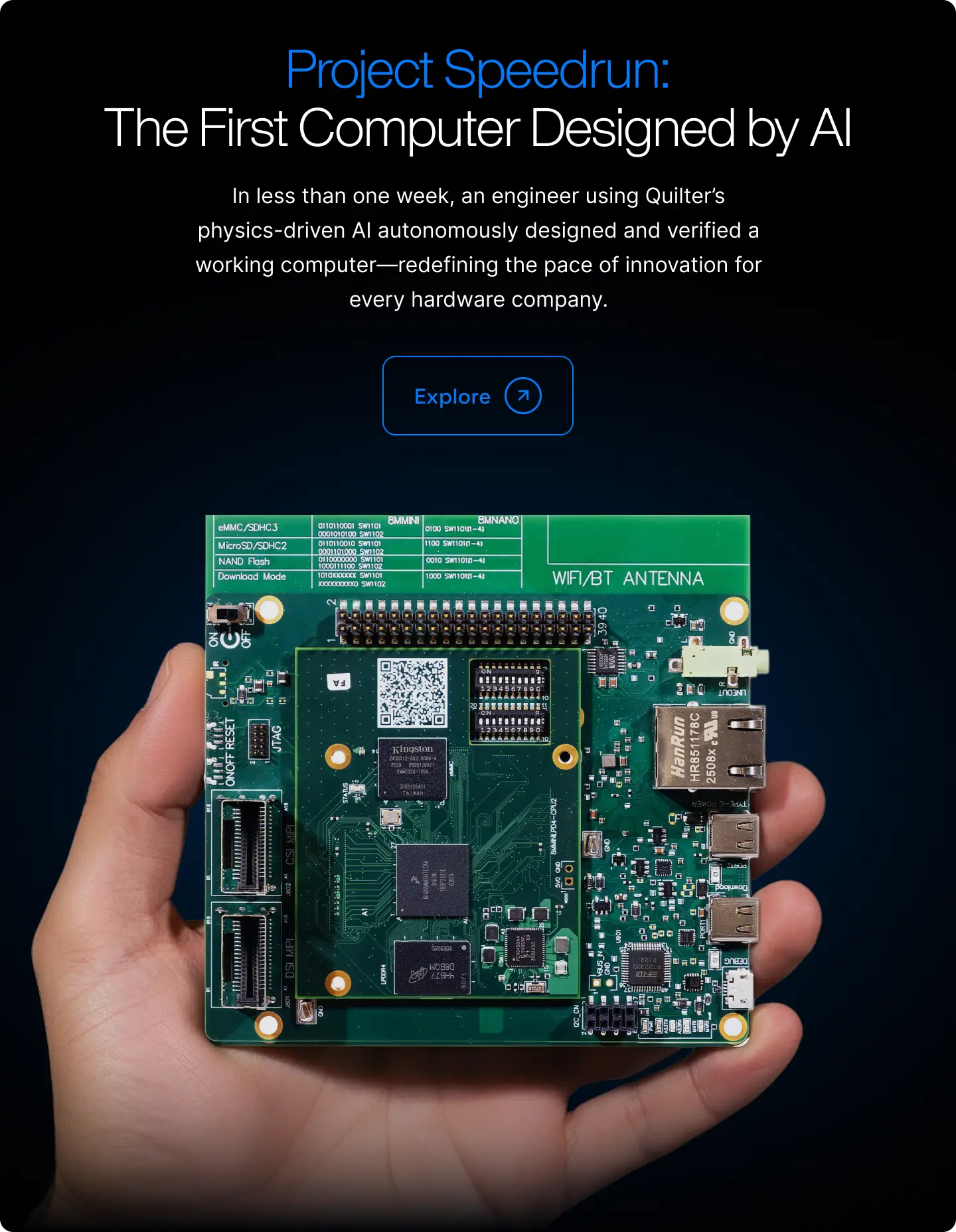
Project Speedrun demonstrated what autonomous layout looks like in practice and the time compression Quilter enables. Now, see it on your own hardware.

Get Started

Validating the Design

With cleanup complete, the final question is whether the hardware works. Power-on is where most electrical mistakes reveal themselves, and it’s the moment engineers are both nervous and excited about.

Continue to Part 4

Cleaning Up the Design

Autonomous layout produces a complete, DRC'd design; cleanup is a brief precision pass to finalize it for fabrication.

Continue to Part 3

Compiling the Design

Once the design is prepared, the next step is handing it off to Quilter. In traditional workflows, this is where an engineer meets with a layout specialist to clarify intent. Quilter replaces that meeting with circuit comprehension: you upload the project, review how constraints are interpreted, and submit the job.

Continue to Part 2

Qmotor

March 29, 2023
by
Sergiy Nesterenko
and

Some boards need power! For our next feature focus, we decided to stress test Quilter’s ability to design boards that need higher currents. For our first take, we decided to implement a stepper motor driver.

This board is based on the Arduino Motor Shield Rev3. This board is a shield that can be used with an Arduino Uno and can two DC motors or a single stepper motor.

This board is designed to handle up to about 4A of total current. For the design, we assigned a 4A ampacity to all high power traces. Quilter automatically assigns a minimum 52mil width to all traces to support the current.

Our input files are here and our our output design file is here.

The script we used to drive the motor is here.

We coupled this shield with our Quilter-designed Arduino Uno. We tested the board with a simple stepper motor, which pulls 0.8A steady state. Checking for hot spots, we just see significant heat from the L298 (which is expected to reach over 100C in heavy use). Otherwise, no other hot spots were found.

We are excited to start Quilter’s journey into high power design! What should we build next?