



Time to Market
Why Time to Market Matters in Hardware Development
Time to market is the total elapsed time from the start of product development to the moment the product is available for customers to purchase. In hardware development, time to market is influenced by every phase of the design cycle: requirements definition, schematic design, PCB layout, fabrication, assembly, testing, certification, and production ramp. Unlike software, where updates can be deployed instantly, hardware commits to physical form during fabrication — making every delay in the design phase a direct delay in revenue generation and competitive positioning.
PCB layout is frequently identified as the critical-path bottleneck in hardware development timelines. Complex boards can take weeks to months for manual layout, and any change during layout (component substitution, mechanical revision, schematic correction) can cascade into days of rework. The layout phase also determines the pace of prototyping: faster layout means more prototype iterations within a fixed development window, which means more opportunities to discover and fix issues before production. Teams that can complete layout faster have a structural advantage in development speed and product quality.
Compressing Hardware Timelines With AI Layout
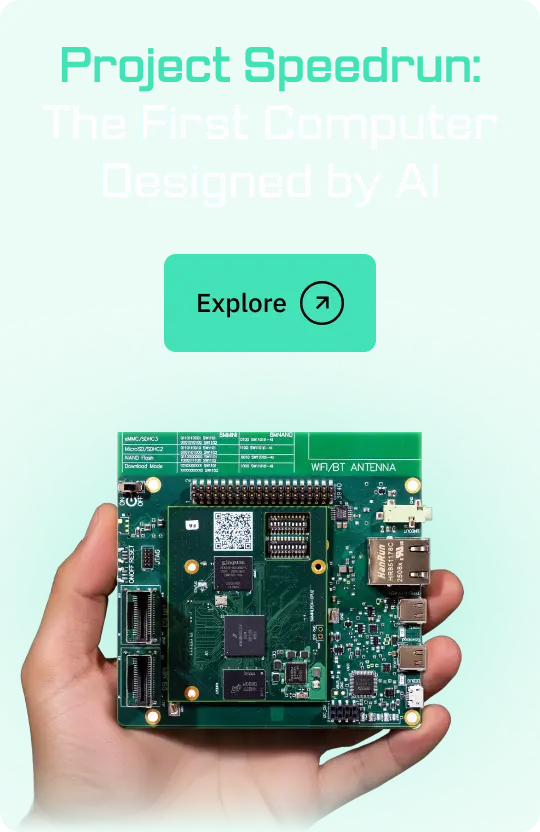
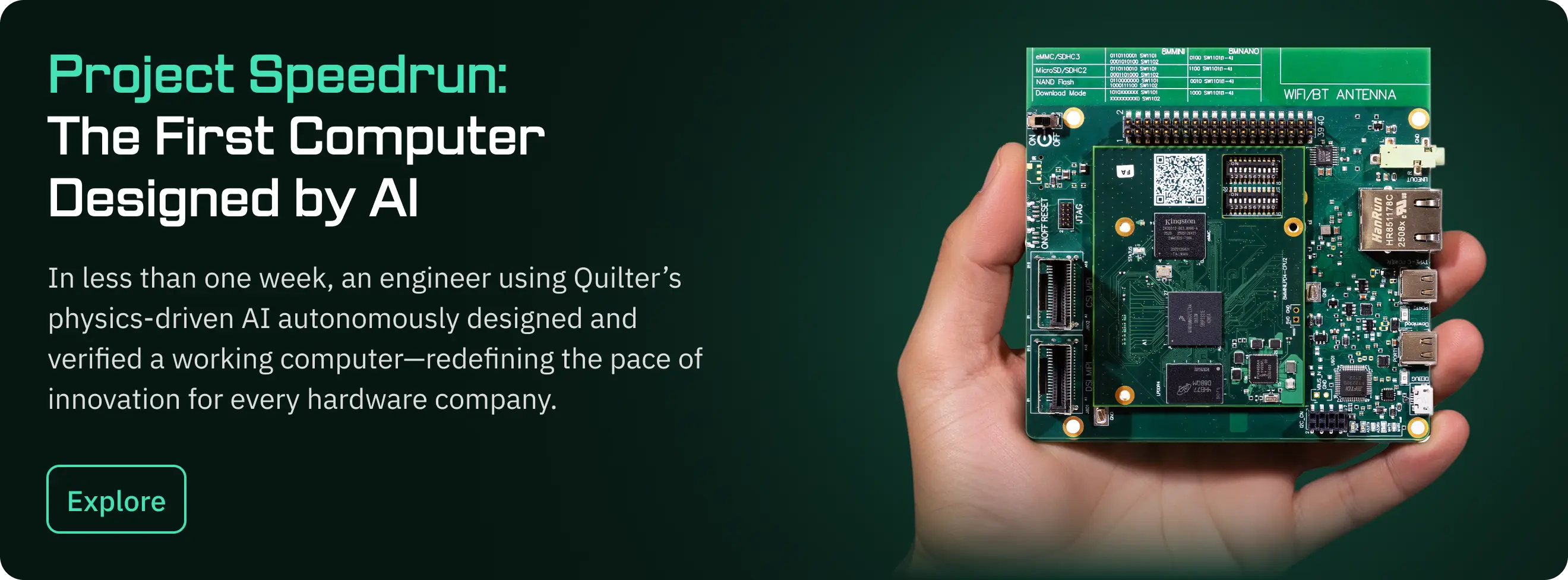
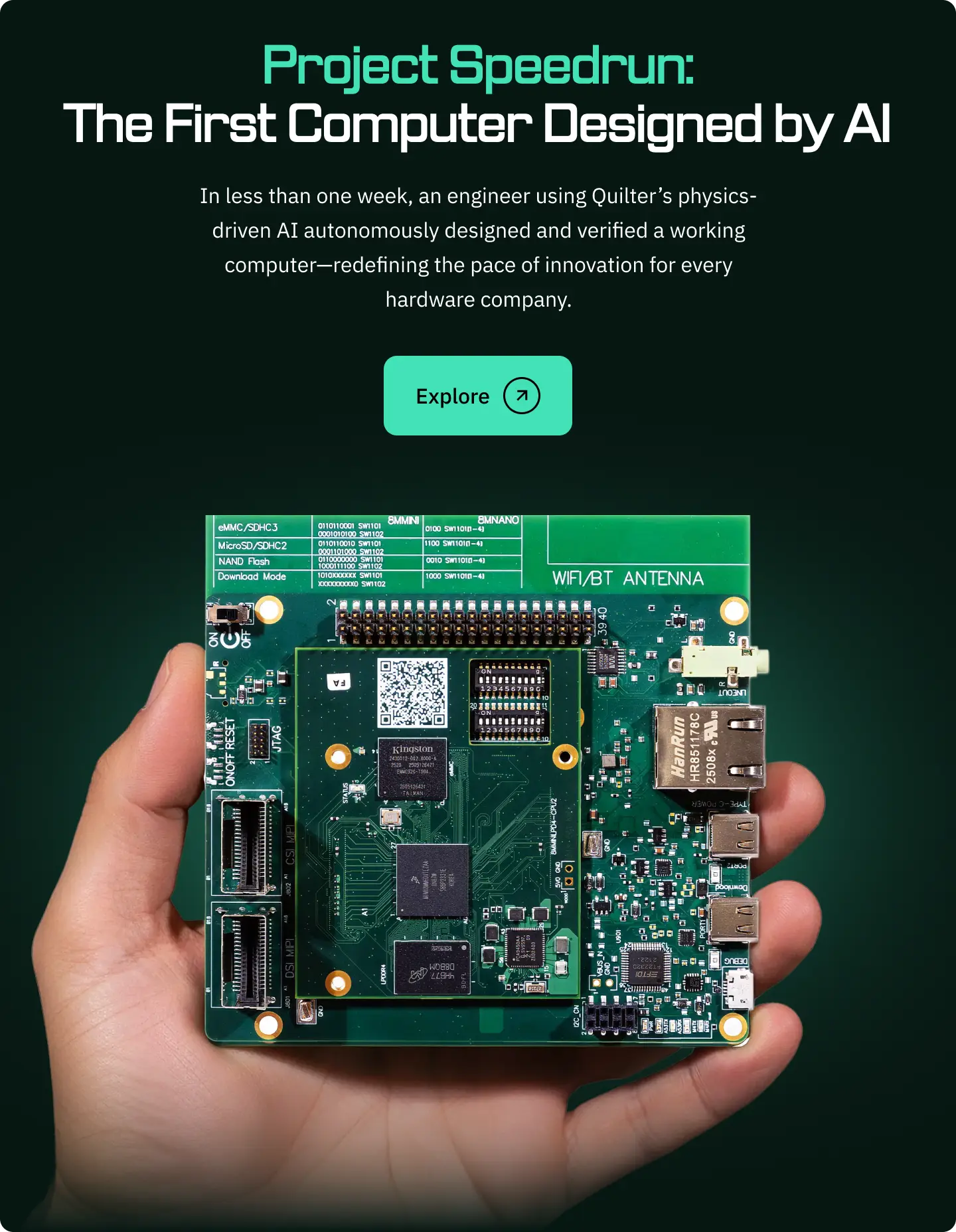
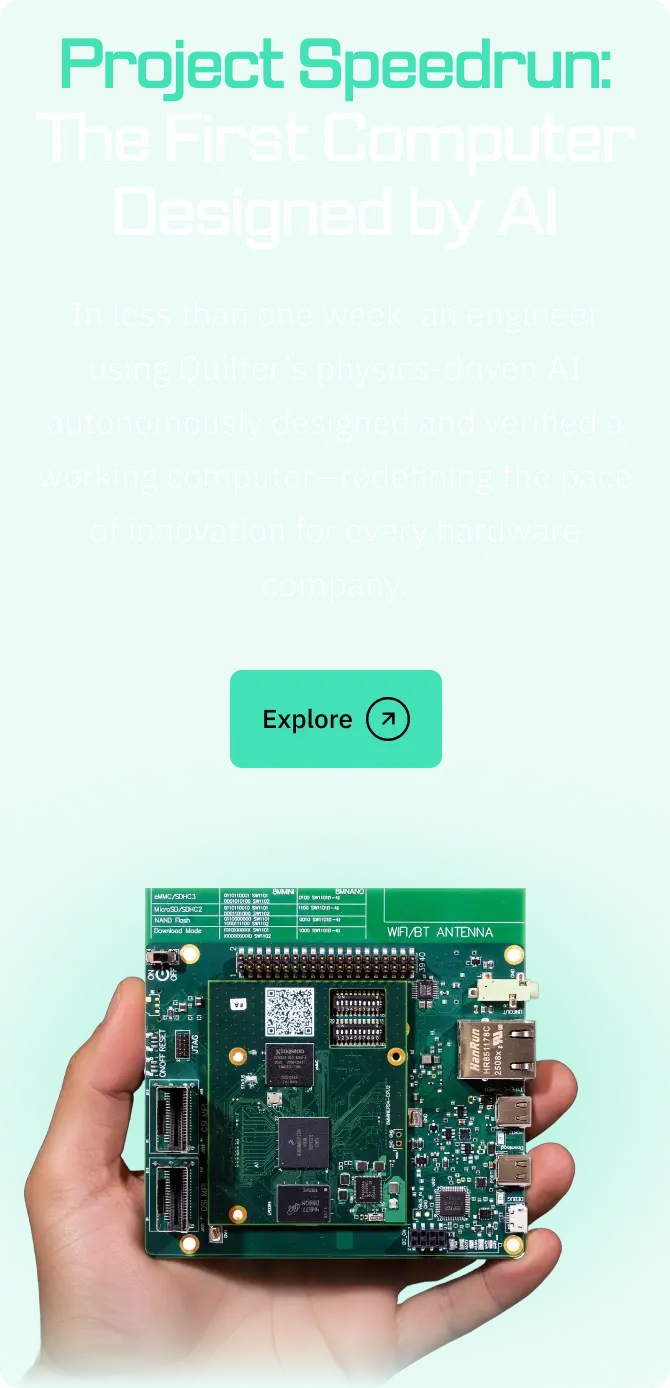
Physics-driven AI layout tools directly address the time-to-market challenge by reducing the layout phase from weeks to hours. This compression does not just save time in the layout step itself — it fundamentally changes the development dynamics by enabling more prototype iterations, faster response to design changes, and parallel evaluation of design alternatives. Hardware teams using AI-powered layout can explore design options that would be impractical under manual layout timelines, resulting in better-optimized products that reach market faster. For competitive hardware markets where launch timing directly affects market share and revenue, this acceleration represents a significant strategic advantage.