






Read the Full Series
This article is one part of a walkthrough detailing how we recreated an NXP i.MX 8M Mini–based computer using Quilter’s physics-driven layout automation.
If you’re weighing the pros and cons of cloud-based versus desktop PCB tools, you’re not alone. For the last decade, the debate has felt like a forced choice: do you want the speed and sharing of the cloud, or the depth and control of a heavyweight desktop suite?
In 2026, that “either-or” framing is starting to break. A third category is emerging in real workflows: AI-powered cloud platforms that automate layout while still integrating with the CAD tools you already use. The pitch is simple: keep your existing ecosystem, stop spending days or weeks on manual layout execution, and get more design iterations per program.
Quilter sits in that third category. It is a physics-first, autonomous PCB layout engine that takes your existing projects, generates multiple layout candidates in parallel, validates them against physical constraints, and returns output files in the same formats your team already uses. (quilter.ai)
What follows is a practical guide for anyone searching “for cloud-based vs desktop PCB tools” and trying to make a decision that will still feel smart 12 months from now.
Let’s define what makes cloud and desktop PCB tools different
Cloud-based PCB tools are like Google Docs: they run in a browser, they are easy to share, and they are built around collaboration. Tools like EasyEDA are explicitly browser-based, and products like Autodesk Fusion are built around integrated design and cooperation. (easyeda.com)
Desktop PCB tools are like Microsoft Word (plus a full publishing studio): installed locally, with deep feature sets, faster interaction for heavy designs, and greater control over data and environments. KiCad is a well-known cross-platform desktop suite, and high-end enterprise stacks such as Cadence Allegro X and Siemens Xpedition are designed for complex constraints and large design teams. (KiCad)
Most teams actually live on a spectrum. Even “desktop” workflows are now cloud-connected for libraries, manufacturing handoffs, and reviews. And many “cloud” tools offer local clients or offline modes. But the core trade-offs remain: collaboration and convenience tend to come with performance and control constraints, while deep capability and control often entail friction and slower iteration.
What problems do engineers face with both options?
Cloud tools can feel great until the design stops being “small.” When boards get dense, rules get strict, and you are juggling high-speed constraints, browser-based performance and latency can become a real tax. Even if the tool itself is capable, the experience can become choppy at the exact moment you need fast, precise interaction.
Cloud also forces hard conversations about IP, governance, and vendor dependency. Some teams are fine storing design data in vendor infrastructure. Others have internal rules that make it difficult (or impossible) for sensitive programs. The point is not that cloud is unsafe by default; it’s that approval paths and risk tolerance vary a lot across industries.
Desktop tools flip the pain in the other direction. They are powerful, but collaboration often becomes a process instead of a feature. Reviews turn into exports. Parallel work turns into “who has the latest file.” And if only a few people on the team have the tool and licenses, the rest of the organization experiences PCB work as a bottleneck rather than a shared asset.
The most significant shared problem is time. Modern hardware schedules do not slow down just because the layout is still manual. Teams need more design cycles, earlier feedback, and faster “try it and see” loops. Cloud tools helped with sharing. Desktop tools helped with depth. Neither one, on its own, entirely removed the execution burden of placing and routing.
Here’s how AI-powered platforms change the game
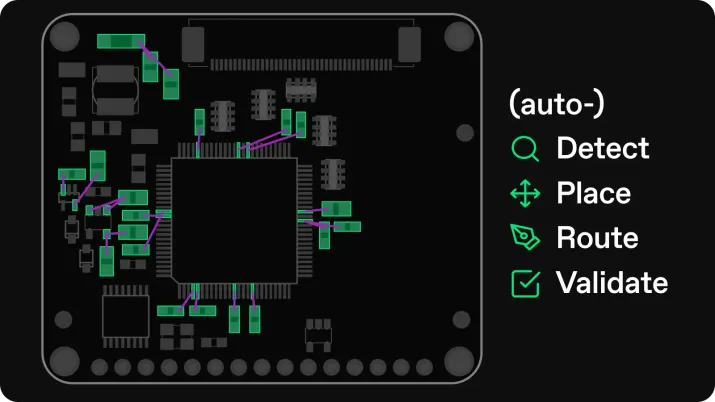
AI-powered PCB design platforms aim to address the root issue: the layout execution workload that lies between “schematic intent” and “fabrication-ready reality.” Instead of making you choose between cloud convenience and desktop depth, they try to compress the layout phase itself.
Quilter’s positioning is straightforward: it is not an autorouter, a copilot, or an LLM wrapper. It describes itself as an autonomous PCB design engine that learns from physics and is built around constraints and verification. (quilter.ai)
Here’s the key shift: AI does the heavy lifting of generating layout candidates, while your engineers stay in control of intent, constraints, and final sign-off.
Quilter’s workflow is designed to plug into existing CAD, not replace it. The platform lets you upload native projects from major tools (including Altium, Cadence, Siemens, and KiCad), define board outline and key placements, set constraints, and quickly generate multiple candidates. (quilter.ai)
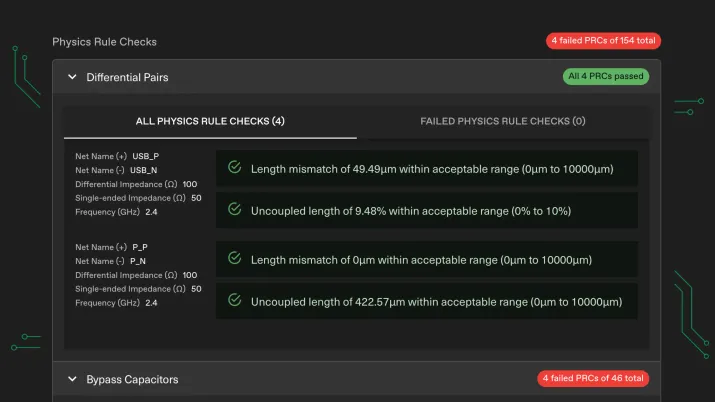
The second shift is “physics-aware” validation, not just geometric rules. Quilter emphasizes that it identifies critical considerations (such as bypass capacitors, impedance-controlled nets, and differential pairs) and evaluates layouts against the provided physical constraints, with transparent design-review feedback. (quilter.ai)
The third shift is iteration abundance. Instead of protecting a single “golden layout” that took so long to create, teams can explore multiple stack-ups, manufacturers, and form factors in parallel. That changes how decisions get made: less debate-by-opinion, more compare-and-choose.
How do traditional and AI-powered PCB tools compare?
Below is a practical comparison across three buckets: Traditional Cloud, Desktop, and AI-Powered Cloud (Quilter). Examples are included so you can map this to the tools your team is actually considering. (easyeda.com)
Criteria
Traditional Cloud (examples: EasyEDA, Upverter, Fusion collaboration workflows)
Desktop (examples: KiCad, Cadence Allegro X, Siemens Xpedition)
AI-Powered Cloud (Quilter)
Primary value
Shareable, accessible, fast onboarding
Deep control, advanced constraints, mature enterprise flows
Automated layout execution plus collaboration
Performance on complex boards
Can vary with browser load and network
Strong local performance for large designs
Runs layout compute in the platform, you review results
Collaboration
Strong sharing and review, some real-time features
Often file-driven unless your org adds infra
Cloud-native review plus native-file handoff back to CAD (quilter.ai)
Handling complex constraints
Improving, but can be uneven by tool
Best-in-class for strict constraints and deep rule sets
Constraint-bound generation + physics-aware checks (quilter.ai)
Iteration speed
Quick edits, but manual routing still costs time
Powerful, but iteration is limited by human layout time
Multiple candidates in parallel, faster cycles (quilter.ai)
Data control posture
Depends on vendor and plan
Strong local control options
Deployment and security options depend on program needs (evaluate per team) (quilter.ai)
Best fit
Simple to moderate boards, distributed teams, education
High-complexity programs, strict environments
Teams blocked by layout time who still want CAD continuity
A useful way to read this table is to separate “design environment” from “design execution.” Traditional cloud vs desktop is mostly about environment: where you work and how you share. AI-powered cloud adds a new lever: it changes the execution cost of the layout itself.
What results can you expect from an AI-assisted workflow?
The most credible results are the ones you can point to in a real project and explain to a skeptical engineer in five minutes.
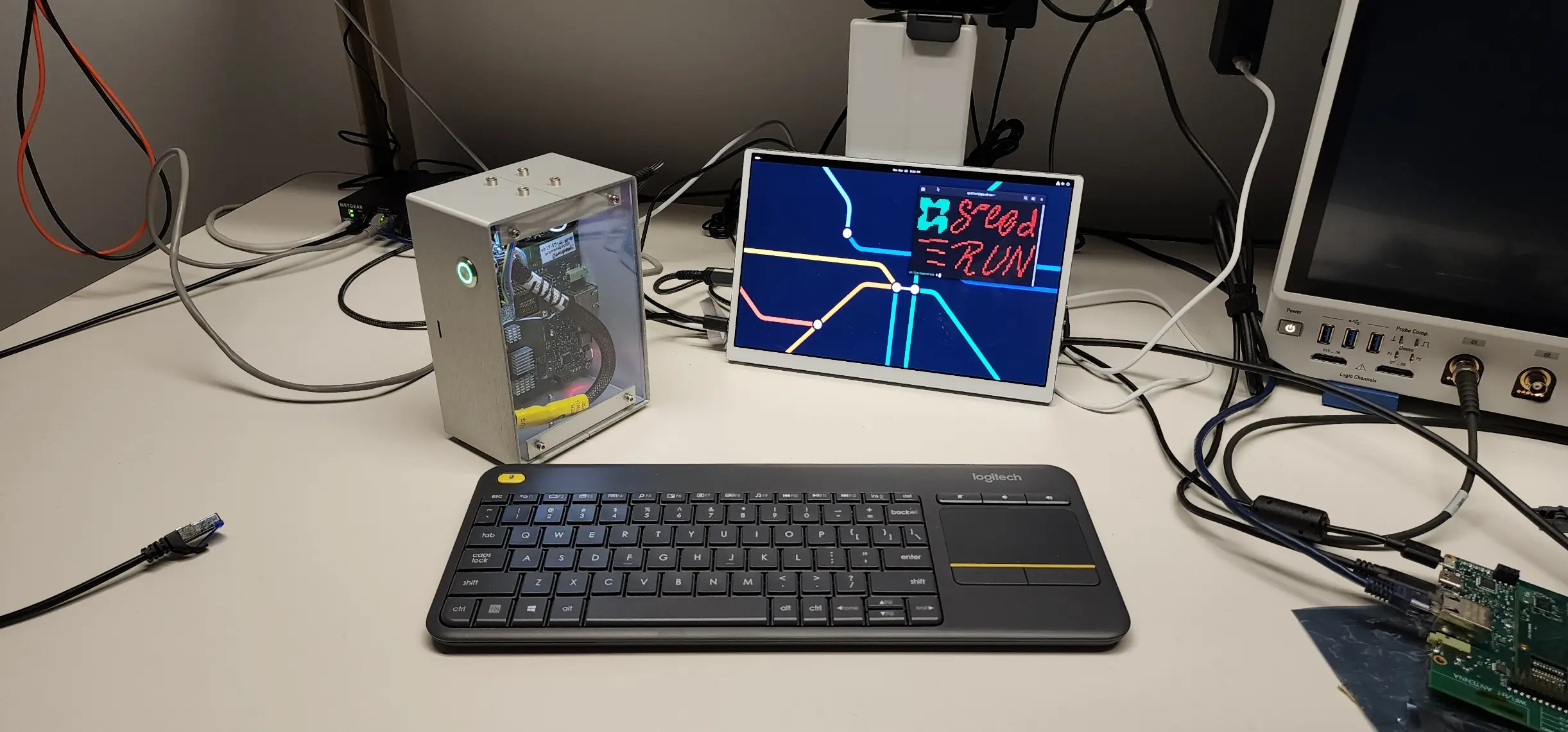
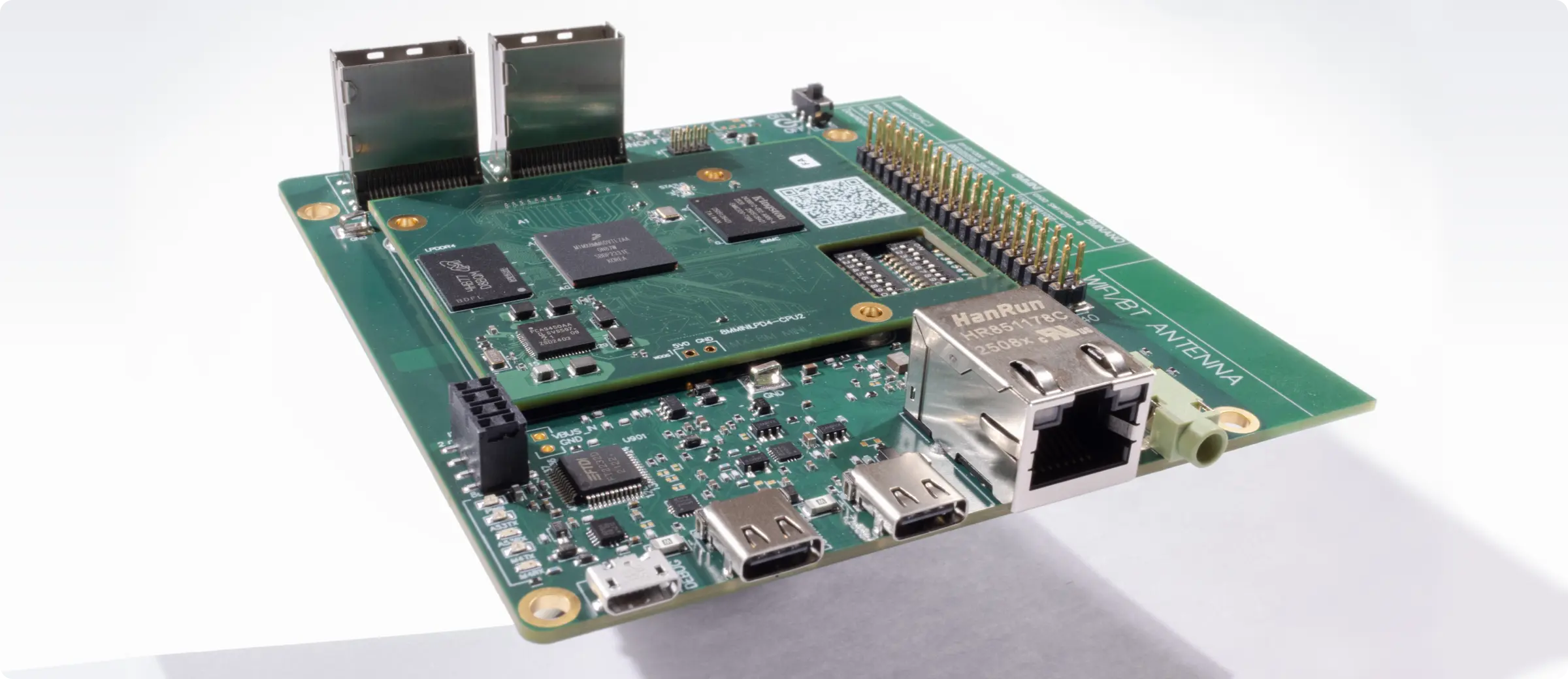
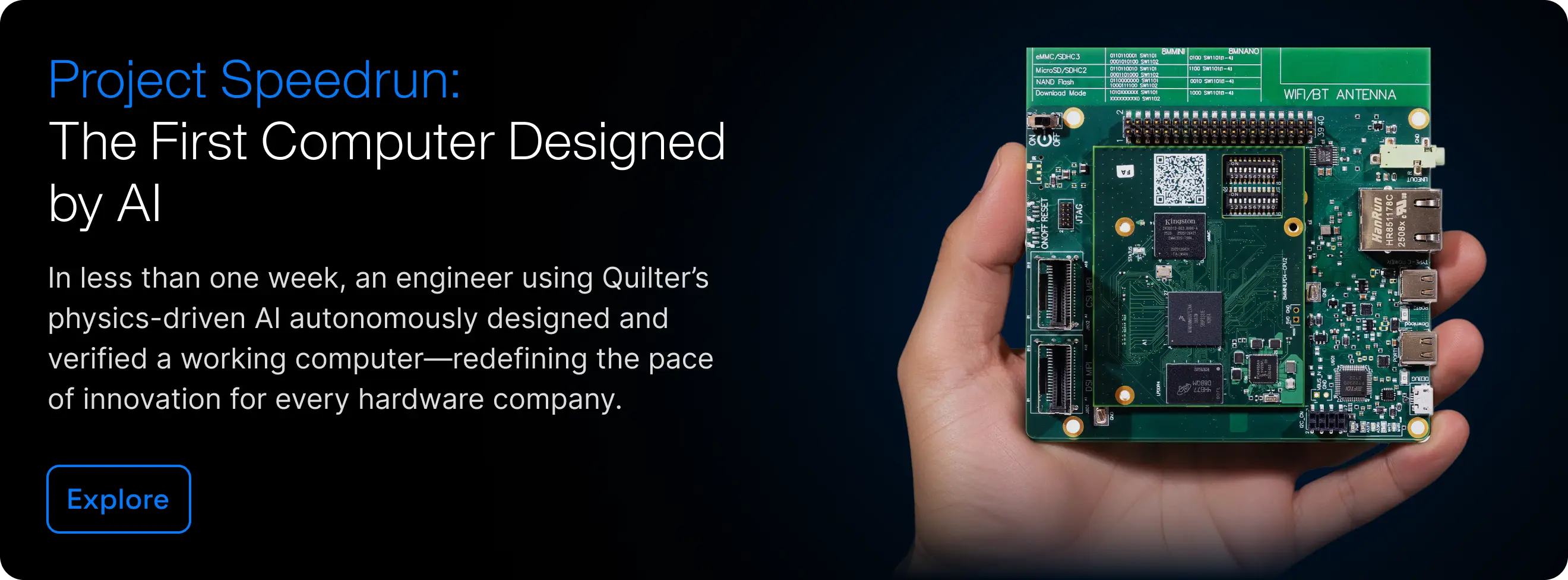
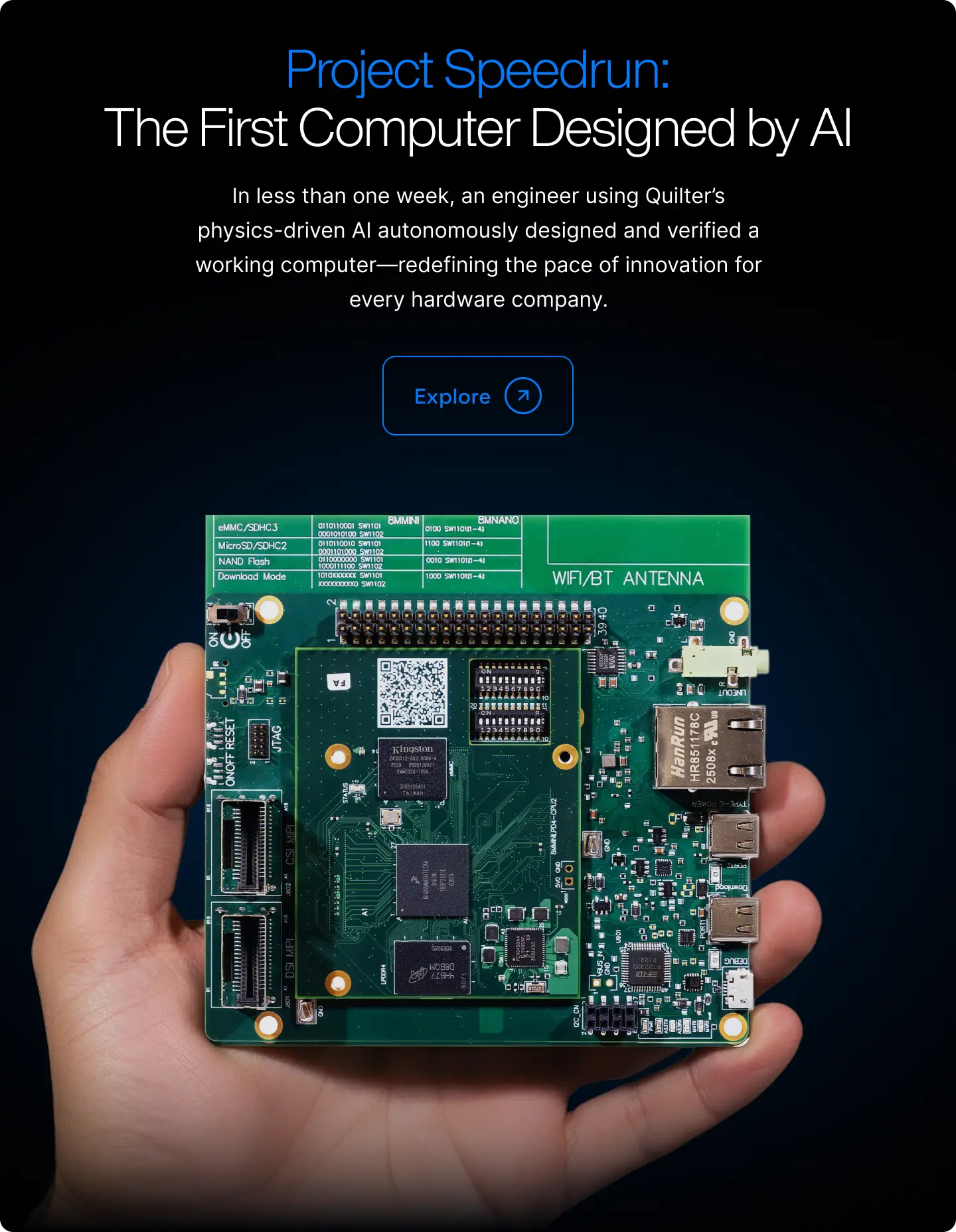
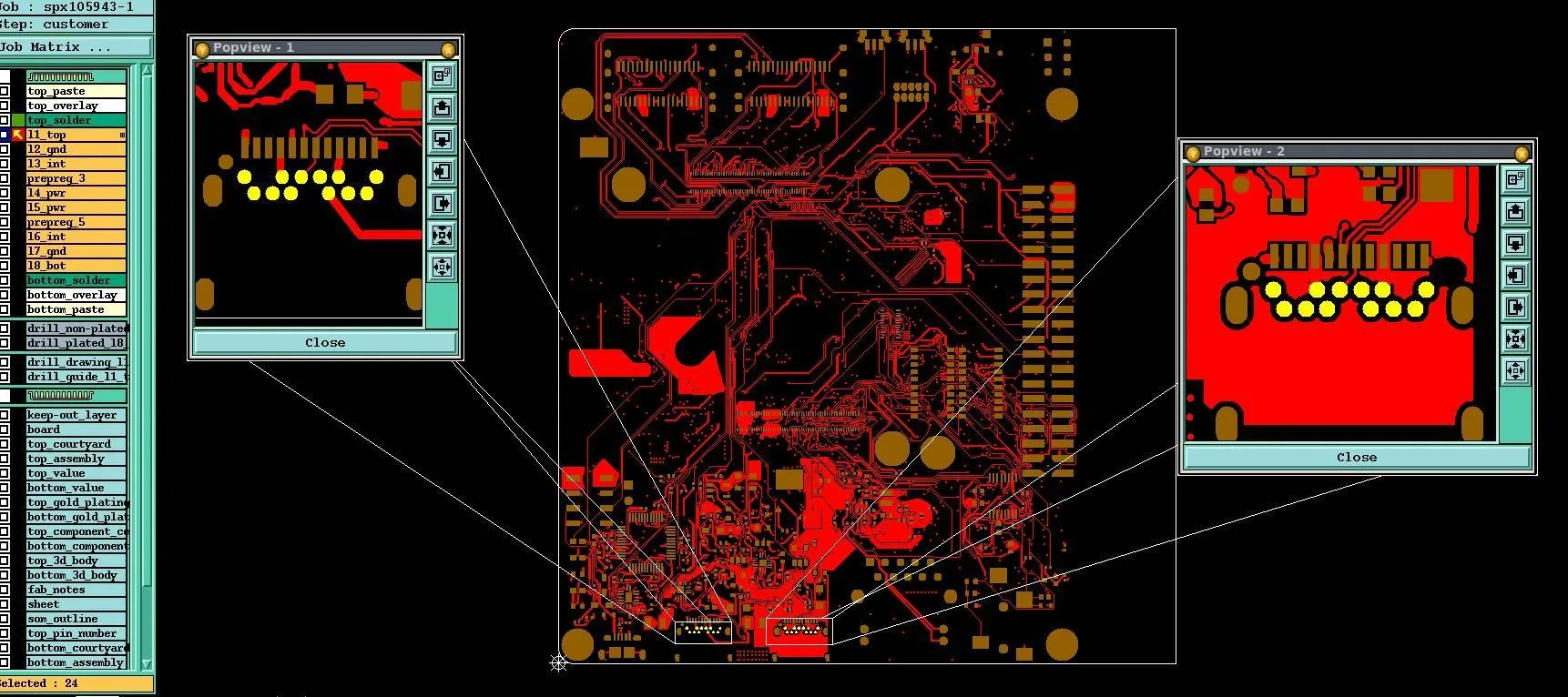
One example Quilter publishes is Project Speedrun, a dual-PCB Linux computer design with 843 components. Quilter reports 38.5 human design hours with the AI workflow versus 428 hours without it, plus about 27 hours of Quilter runtime for placement, routing, and physics validation. (quilter.ai)
A short case snippet you can steal for internal buy-in:
“We used an AI-assisted layout workflow to compress a quarter’s worth of PCB layout into a week. Human time dropped from hundreds of hours to under 40, and the board booted on first power-up.” (quilter.ai)
Quilter also makes outcome claims in specific solution pages, such as cutting “board bring-up” time by weeks for certain program types and roles. Treat these as starting hypotheses to validate in your environment. Still, they are directionally aligned with what most teams want: fewer layout queues, more schedule certainty, and more shots on goal before design freeze. (quilter.ai)
The less obvious result is bandwidth. When layout execution no longer consumes entire weeks, senior engineers can focus on the tasks that actually affect product quality: architecture decisions, constraint definition, risk reviews, and test strategy. That is usually where the biggest program wins live.
Here’s what to consider before making the switch
If you are evaluating AI PCB design as a serious option, the goal is not to “replace your CAD.” The goal is to remove the bottleneck while keeping everything that already works in your engineering system.
Start with three questions:
- Where do you lose time today? Is it placement, routing, DFM cleanup, or review cycles? If the bottleneck is not layout execution, AI will not be your magic fix.
- What is your risk tolerance? Some teams can quickly trial a cloud workflow. Others need a more formal security and compliance review. Plan for that up front, primarily if you work in regulated environments.
- How will you integrate outputs into your current flow? Quilter’s pitch is compatibility: upload native projects, define constraints, generate candidates, then return files in the same format so you can run your existing DRC and final polish steps in your home CAD tool. That integration story is the difference between a demo and adoption. (quilter.ai)
A short, skimmable checklist for teams
- Identify 1 to 2 “representative” boards to use as a trial (not your easiest, not your hardest).
- List your non-negotiable constraints (stack-up targets, impedance nets, diff pairs, keepouts, connector placement locks).
- Define what “success” means (time saved, routing completion, fewer iterations, faster review, first-pass bring-up confidence).
- Confirm file compatibility requirements across teams (ECAD, MCAD, manufacturing).
- Run a security review early if your program demands it.
- Plan who does the final sign-off and how changes get tracked back into your main CAD and version control.
If you want a low-friction starting point, Quilter offers a free tier, a demo path, and a help center to help teams understand how the system differs from an autorouter. (quilter.ai)
Ready to see the difference for yourself?
The choice between cloud-based and desktop PCB tools is still a real decision. But in 2026, it is no longer the whole decision. If your team is stuck waiting on layout, AI-powered platforms like Quilter offer a third path: keep your existing CAD workflow, automate the execution layer, and deliver more validated iterations in less time. (quilter.ai)
If you want to evaluate it quickly, start with one board, define explicit constraints, generate multiple candidates, and compare the outcome using your normal review process. When the tool can hand back native files for your final checks, the trial becomes a workflow test, not a leap of faith. (quilter.ai)


.webp)