






Read the Full Series
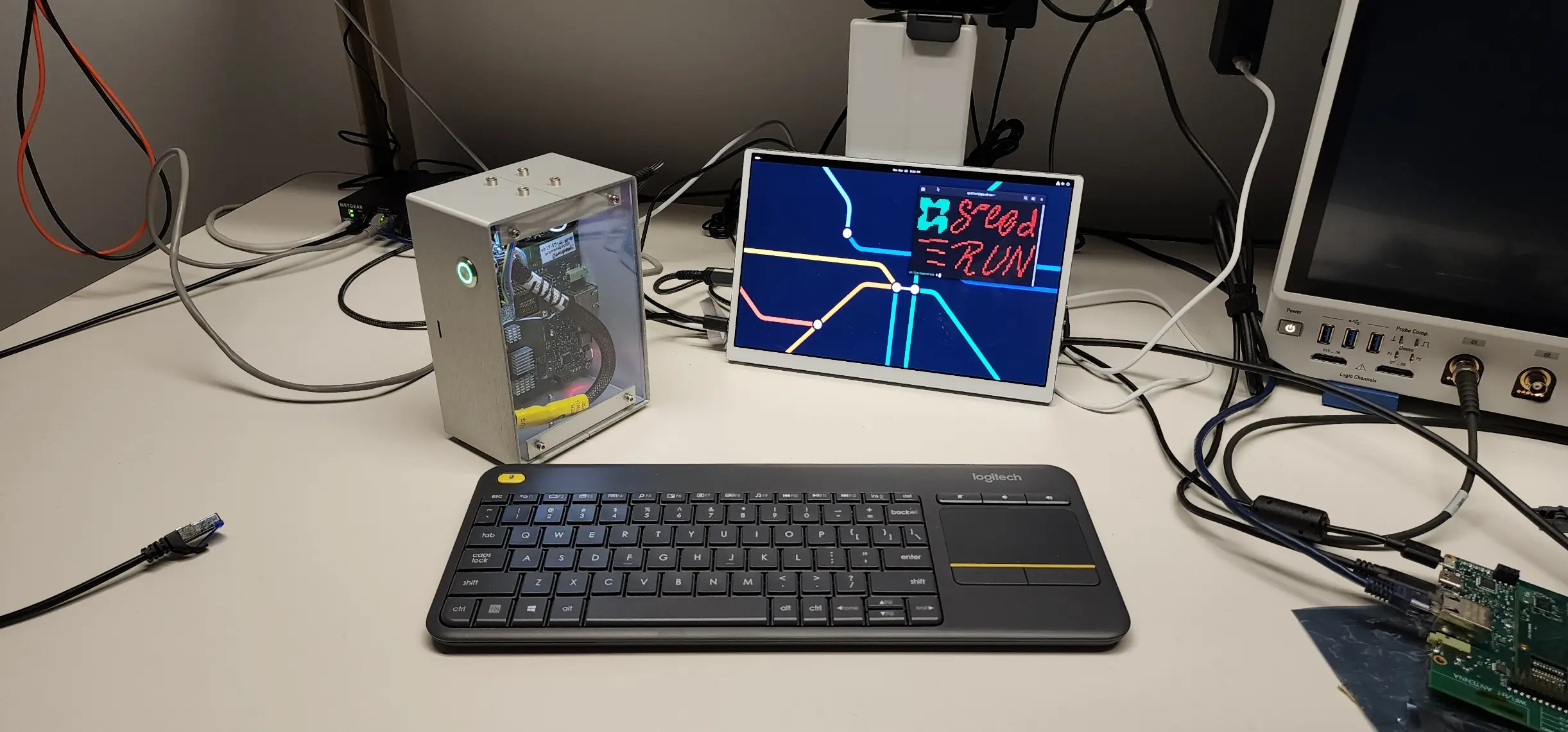
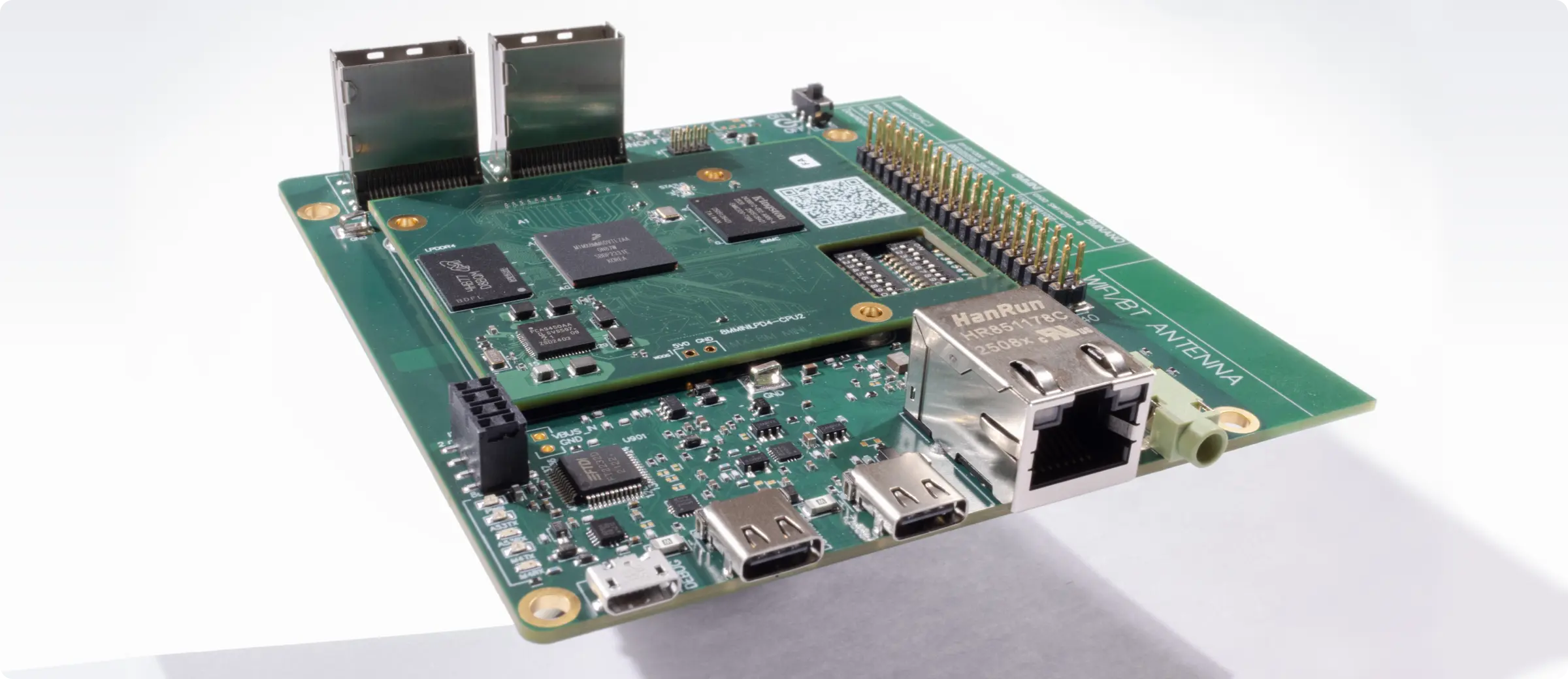
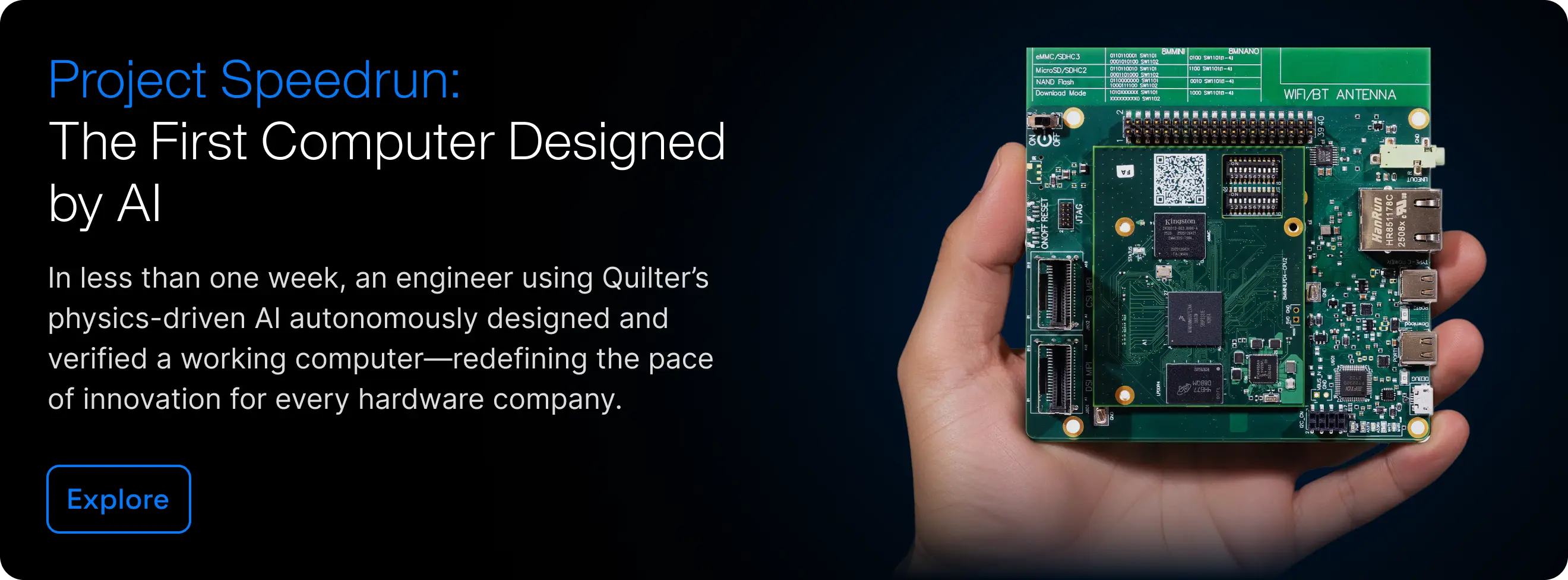
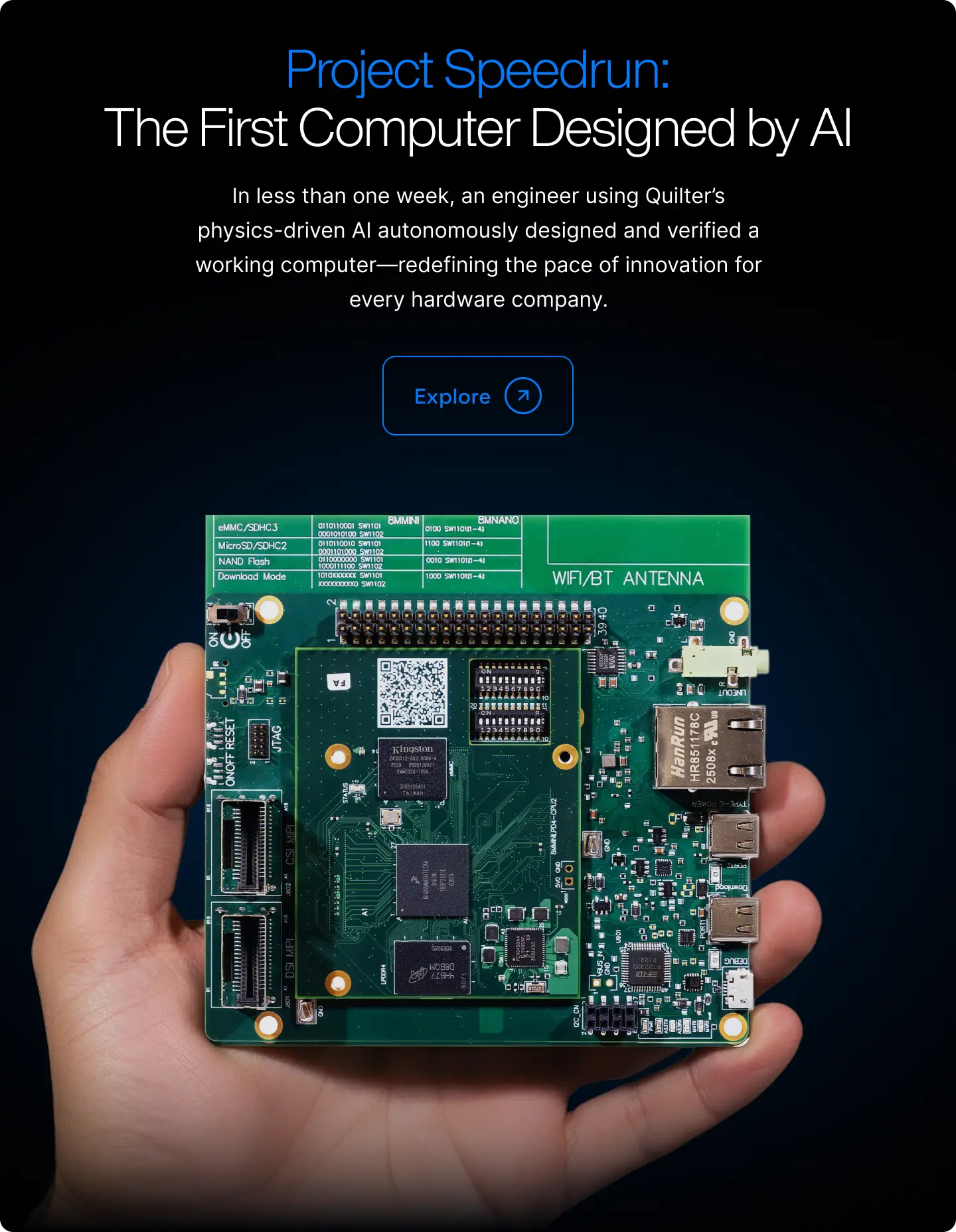
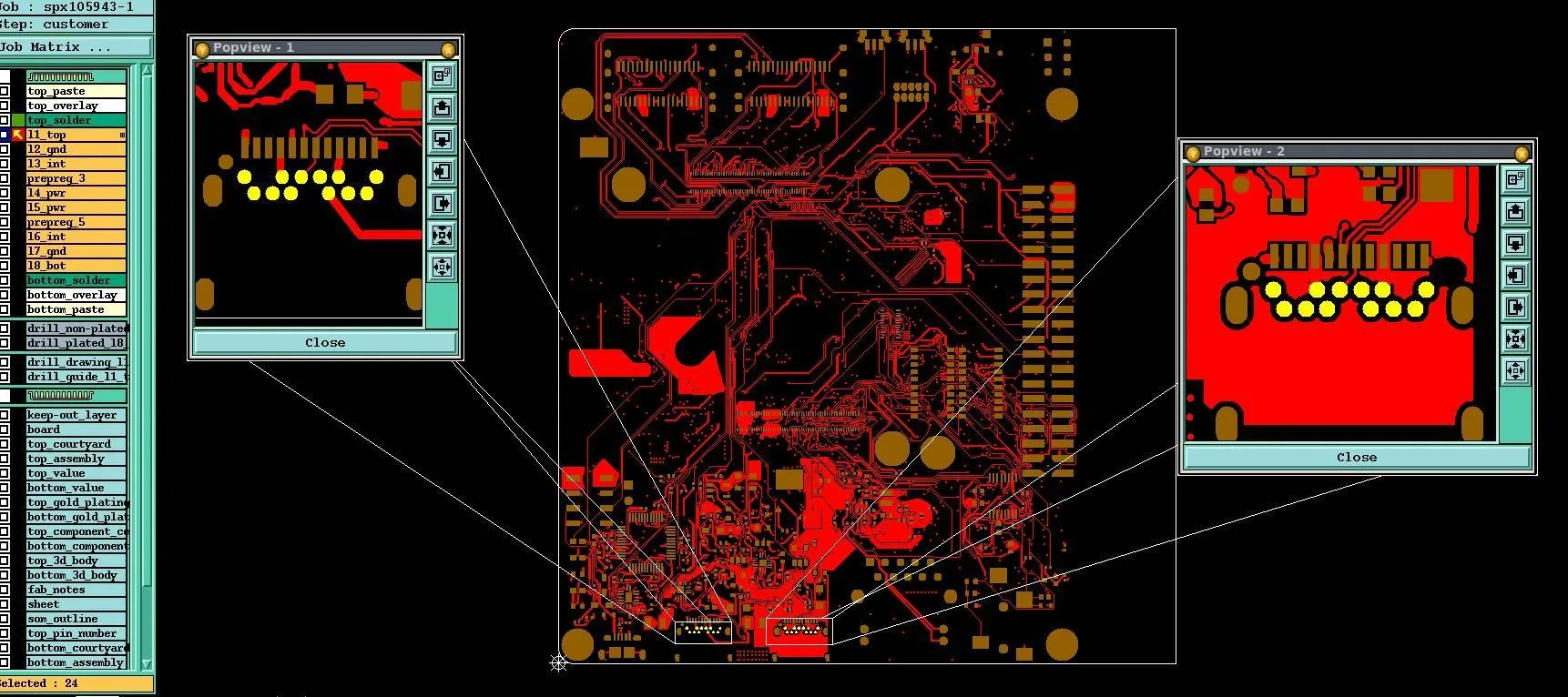
This article is one part of a walkthrough detailing how we recreated an NXP i.MX 8M Mini–based computer using Quilter’s physics-driven layout automation.
If you’re asking which PCB software is “best” for your hardware startup, you’re really asking a more useful question: what stack gets you from schematic to working boards on your desk the fastest, for the least cash burn?
A startup does not win because the PCB editor feels polished. It wins because the team learns faster than competitors, gets boards into the lab sooner, and avoids spending precious runway on slow, manual layout loops.
In 2026, the best PCB layout software for startups is rarely a single monolithic tool. More often, it is a lean hardware startup EDA stack: low-cost or free schematic tools, lightweight collaboration and versioning, and a layout accelerator that removes the real bottleneck.
For many teams, that means keeping schematics affordable and flexible, then using an AI PCB layout tool like Quilter where the pain is worst: turning dense, constraint-heavy boards into fabrication-ready candidates in hours instead of weeks.
Quilter is built to work with existing Altium, Cadence, Siemens, and KiCad projects, generates multiple candidate boards in hours, runs physics-aware reviews, and returns projects in the same format you submitted.
That lets teams accelerate layout without ripping out the rest of their workflow.
Let’s define what “fast layout” really means for hardware startups in 2026
Fast layout does not mean clicking around in a CAD tool without lag. It means compressing the time from schematic intent to validated hardware learning.
There is a huge difference between “the board is done in CAD” and “the board is on the bench, powered up, tested, and telling us what to do next.” Startups live inside that gap.
Every extra week between those two points slows product decisions, delays firmware work, and burns money that could have funded another board spin or another month of engineering time.
This is the reality for many teams: one stretched senior PCB designer, maybe a contractor rotating in and out, maybe an electrical lead doing layout after hours because no one else can take it.
Then a late-found issue shows up in routing, power integrity, placement, escape routing, or manufacturability, and the whole schedule slips again.
That is why “speed up PCB layout” should be framed as a business question rather than a UI preference. A four-week layout cycle can quietly consume a meaningful chunk of a seed-stage startup’s monthly burn.
Multiply that by multiple boards, respins, lab delays, and idle downstream teams, and layout becomes a runway problem.
So when founders evaluate PCB automation for hardware startups, the standard should be simple: does this stack reduce full iteration time from weeks to hours, while preserving control over constraints and manufacturable output? If not, it may be more convenient than leverage.
What you need to know about today’s PCB tool landscape before you pick a stack
Most startup teams look at the PCB landscape and see a confusing list of vendor names. It helps to sort tools into three buckets.
First, there are free, open tools led by KiCad. These are strong on cost, flexibility, community, and lack of license friction.
For early-stage teams, that matters a lot. You can onboard new contributors without negotiating seats, avoid vendor lock-in, and move fast without committing to enterprise pricing too early.
Second, there are cloud-native and lightweight tools like EasyEDA, Upverter, and Flux. These can be attractive when collaboration is the top priority, when boards are simpler, or when manufacturing integration matters more than deep advanced constraints.
They can also be useful for distributed teams and quick-turn prototypes.
Third, there are heavyweight suites like Altium, OrCAD X, and PADS. These are powerful and mature, especially for complex boards and organizations with established workflows.
But for startups, the quiet costs can pile up fast: per-seat licenses, vendor lock-in, training overhead, and the tendency to buy a full suite before you have actually identified your real bottleneck.
That last point is where many teams overspend. Schematic capture is often not what slows them down. Reviews are often not what slows them down. Layout is what slows them down.
So the smarter move is often this: keep schematics and basic collaboration free or low-cost, then pay for acceleration exactly where the team gets stuck.
Quilter fits that model because it works directly with Altium, Cadence, Siemens, and KiCad projects, so teams do not have to standardize on a single, expensive vendor stack just to speed up layout.
Which tools make sense for schematics when you’re watching every dollar?
For most serious early-stage hardware teams, KiCad is the default answer.
It is mature enough for real products, has a strong community, avoids license friction, and does not punish you for adding another engineer or contractor to the workflow.
When every dollar matters, that matters more than founders sometimes realize. Spending aggressively on schematic capture too early often feels professional, but it does not necessarily make the team faster.
That is because schematic capture rarely becomes the long-term schedule bottleneck once your symbols, libraries, templates, and review habits are in place.
Yes, a messy library situation can slow things down. Yes, tool familiarity matters.
But once those basics are handled, the schedule pain usually moves downstream into placement, routing, constraint handling, and final layout review.
Cloud tools can still make sense in some cases. EasyEDA can be practical for very simple boards or quick fab-connected prototypes.
Flux can be useful when real-time collaboration is central to the workflow. Upverter-style tools can help when simplicity and sharing matter more than deep control.
But for many teams trying to build a durable hardware startup EDA stack, the best pattern is to keep schematics cheap and dependable, then preserve budget for manufacturing, validation, and layout acceleration. That is where the real leverage sits.
And when the board is ready to move into layout, that does not force a platform jump. Quilter accepts KiCad and other major EDA projects directly, so the handoff to AI-assisted layout can happen without disrupting the rest of the design flow.
Here’s how layout usually becomes the bottleneck and what that does to your runway
Imagine a realistic startup situation.
You have one experienced layout engineer. They are supporting three active programs. The schematic keeps changing because the electrical and firmware are still learning.
Mechanical has late packaging constraints. Test wants fixture access. Leadership wants the next board in the lab yesterday.
Now stack on the real work: fanout, BGA escape routing, dense power delivery, impedance-controlled nets, differential pairs, connector placement, stack-up tradeoffs, DRC cleanup, manufacturer constraints, and the thousand small choices that separate “looks plausible” from “will actually build and work.”
This is where time disappears.
It disappears in context switching. It disappears in manual iteration. It disappears in the after-hours cleanup.
It disappears because a strong engineer is spending scarce time on repetitive layout work rather than solving the hard architectural problems that only they can solve.
And those delays ripple outward. Lab schedules move. Firmware teams wait. Validation boards arrive late.
Customer demos slide. Partner deadlines get tighter. Investors hear one more version of “we learned a lot, but the board slipped.”
That is why a layout accelerator has to be more than cosmetic automation. It has to be physics-aware, constraint-driven, and capable of producing manufacturable output in the same CAD format the team already uses.
Otherwise, it becomes just another tool to manage.
Quilter’s positioning is directly in that bottleneck. It is designed to generate multiple candidates in hours, evaluate them against physical constraints, and return files in the same format teams already submitted, which keeps existing review and release workflows intact.
How does an AI layout engine like Quilter actually fit into your stack?
This is the part many teams need to make concrete.
The flow is not “replace your CAD tool with magic.” The flow is much simpler and much more practical than that.
You create schematics and define core design intent in KiCad, Altium, Cadence, Siemens, or another supported environment.
You define the board outline. You pre-place key components where engineering judgment matters most. You determine the floorplan and constraints.
Then you upload that project into Quilter.
From there, Quilter uses reinforcement learning to explore large numbers of candidate layouts and runs physics-aware checks against the constraints you provided.
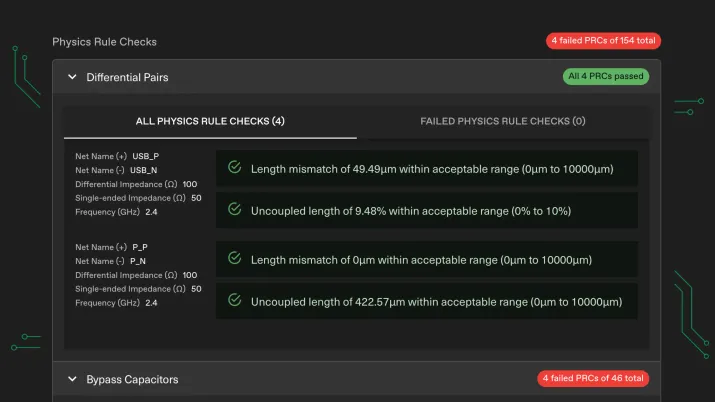
The platform is designed to account for features such as bypass capacitors, impedance-controlled nets, differential pairs, and other critical physical considerations that matter on real boards, not just toy routing demos. It is built to generate multiple candidates in hours, with the first candidates often appearing quickly, instead of locking the team into a single manual path.
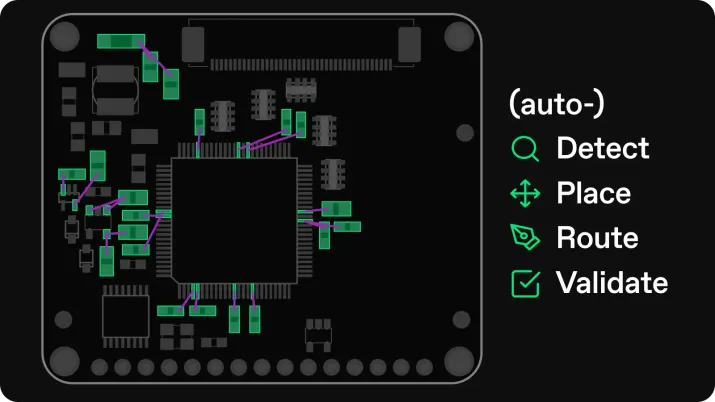
What Quilter handles:
- routing and candidate generation
- placement optimization within your defined constraints
- physics-driven layout evaluation
- rapid iteration across stack-ups, manufacturers, and form factors
What your engineers still own:
- schematic intent
- critical placement decisions
- constraints and design priorities
- final review and polishing
- fab file generation and release inside the CAD tool, they already know
That last point matters. Quilter returns files in the same format the team uploaded. So your DRC flows, documentation habits, board handoff steps, and release workflows do not need to be reinvented just to adopt AI PCB layout.
Here’s the “Startup EDA Stack” that balances speed, cost, and control
Baseline stack for most seed-stage teams
KiCad for schematics and libraries
Git for versioning and review discipline
Quilter for layout acceleration
Your chosen fab and assembly partner for manufacturing
That is the stack many startups should evaluate first.
If boards are relatively standard and the budget is tight, this setup preserves flexibility while directing spend at the hardest part of the workflow. If boards get more complex, you can still evolve the stack. You might keep KiCad or move some teams onto Altium for schematic and broader ecosystem reasons. You might add targeted SI or PI analysis tools when needed. But the logic stays the same: do not overspend on all-in-one seats if layout is where time actually disappears.
Here is the practical comparison:
Stack
Cost profile
Layout time
Flexibility
Traditional all-in-one CAD stack
Higher per-seat licensing, growing with each engineer
Often days to weeks of manual layout effort per board
Good inside one vendor, less flexible across tools
KiCad + Quilter startup stack
Low schematic cost, pay for acceleration where it matters
First candidates in hours, faster iteration cycles
High flexibility, supports multiple EDA inputs and existing workflows
For complex, high-speed, or denser boards, a slightly heavier version may make sense:
- KiCad or Altium for schematics
- targeted SI/PI tools where required
- Quilter AI layout for rapid candidate generation and constraint-aware routing
- manufacturer-specific stack-up and fab rules tested in parallel
This is where Quilter’s pricing model becomes strategically important. According to the provided company materials, pricing scales by pin count, not seats, which means teams can let more engineers iterate without turning every new workflow question into a licensing conversation. That changes the economics.
You are not buying static software access. You are buying cycle-time compression.
What does this stack really save you versus going all-in on Altium or OrCAD?
The answer depends on your team size and board volume, but the pattern is usually the same.
Let’s take a simple example. Say a startup has two engineers who need regular access to a professional PCB environment and expects to move through multiple board iterations over 12 to 18 months.
A traditional all-in-one approach means paying for premium seats up front, even before you know whether schematic capture, collaboration, or layout is where the time is truly being lost.
A leaner approach shifts the spend profile. Keep schematic capture low-cost with KiCad where possible, preserve compatibility with existing design flows, and use Quilter AI layout for the boards where layout time is actually the gating factor.
The software savings alone can be meaningful. But the more important savings are often operational:
- one extra board spin you can afford
- contractor hours, you do not need to buy
- weeks of schedule risk avoided
- additional runway because the layout stopped consuming the calendar
Time matters even more than licensing here. Quilter’s materials describe full fab-ready designs in under 4 hours for PCB designers, schematic-to-fab-ready in under 4 hours for electrical engineers, and first candidates often appear within the first hour for relevant workflows.
They also cite compression of board bring-up timelines from weeks to under a day in some categories. Even if your exact outcome varies, the economic logic is clear: turning 3 to 4 weeks of manual layout into a same-day candidate cycle can change the pace of the entire company.
Point technical buyers here:
- TCO analysis blog post: [Insert Quilter TCO analysis link]
- Startup pricing: [Insert Quilter startup pricing link]
The core conclusion is simple. The best PCB layout software for startups is not necessarily the suite with the broadest feature sheet. It is the stack that puts your dollars on the bottleneck and turns layout time into engineering bandwidth.
How can you roll this stack out in the next 30 days without breaking your workflow?
30-day pilot plan
Pick a real upcoming board, preferably a test fixture, IC evaluation board, or validation board.
Do not pilot on a toy project.
Measure actual layout time, review friction, and bring up outcomes.
Week 1
Standardize the libraries, templates, and core constraints for a representative board. Make sure board outline, critical placements, design rules, and layer stack assumptions are documented clearly enough to be Quilter-ready.
Week 2
Run the design through Quilter. Compare the AI-generated candidates against your internal manual baseline. Review the physics-driven feedback carefully. Look not just at whether the board “looks good,” but also at whether the team reached credible candidate layouts materially faster.
Week 3
Bring in firmware, test, and mechanical voices. Review whether connector access, testability, enclosure constraints, and system-level concerns were preserved. Tighten constraints and rerun if needed. This is where the speed of iteration starts to matter.
Week 4
Choose the strongest candidate, send it to fab, and track the downstream results. Measure time from schematic freeze to fab release. Measure bring-up issues. Measure how much scarce senior engineering time was pulled back from repetitive layout work.
Then summarize the pilot for leadership using a few metrics:
- days from schematic freeze to first fab release
- layouts completed per engineer per month
- respins per program
- engineering hours spent on manual routing and cleanup
This rollout works because it does not require a religious migration. Teams keep their CAD habits and release processes, and test whether a KiCad and Quilter workflow or an Altium and Quilter workflow produces better cycle-time economics on a real board.
What should you look at next if you want to compress layout cycles even further?
Once the stack is in place, the next gains usually come from process discipline.
Track the metrics that matter:
- days from schematic freeze to fab release
- number of candidate layouts explored per board
- respins per program
- layouts completed per engineer each month
- bring-up time from receiving boards to validated learning
Create a simple “Quilter-ready” gate in your process:
- board outline defined
- critical placement decisions made
- constraints documented
- manufacturer assumptions clear
- review owners assigned
Then push the workflow up the complexity curve. Start with a validation board or test fixture. Move to IC evaluation boards. Then try denser consumer boards, backplanes, or other layouts where manual iteration is especially expensive.
Quilter’s own materials emphasize using the platform across test fixtures, IC evaluation boards, validation boards, and backplane/interconnect designs, with strong claims around compressing cycles from weeks to hours or from 30+ days to under 24 hours in some categories.
For teams that want to go deeper, point them to:
- Quilter documentation
- startup pricing
- the TCO analysis
- physics-first design resources and workflow guides
And if the question on the table is still “Which software is best for hardware startups looking to speed up layout?” the better answer is now clearer:
Choose the stack that keeps schematics affordable, preserves control, and uses AI where it actually changes the company’s pace.



.webp)