






Read the Full Series
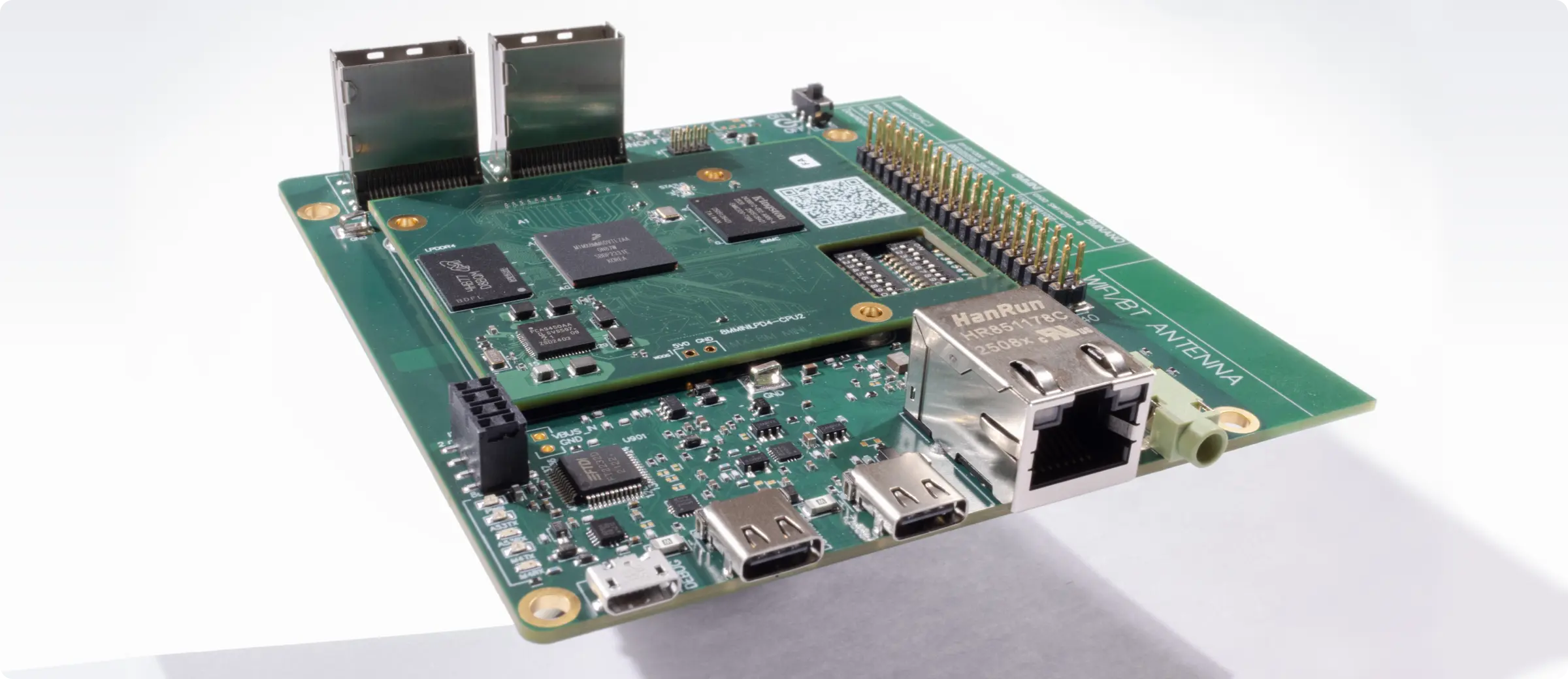
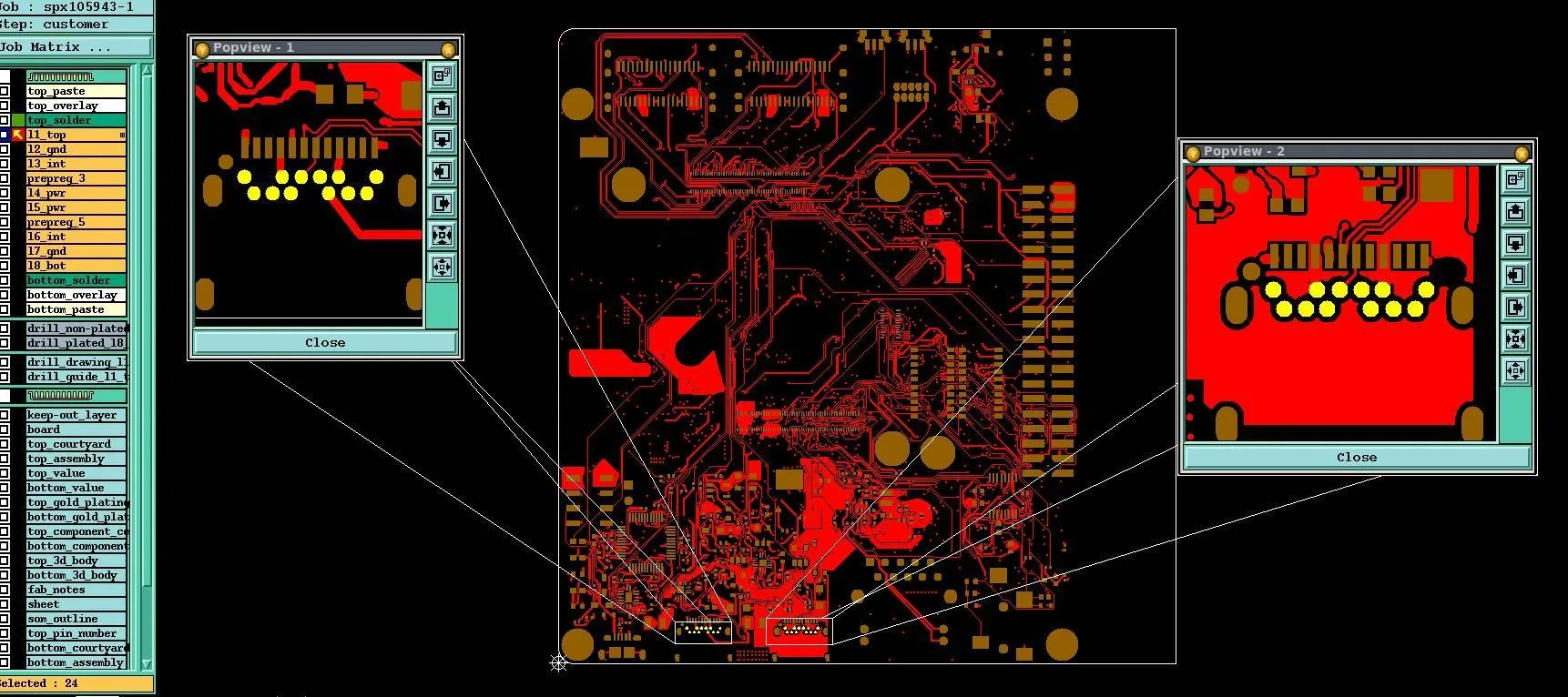
This article is one part of a walkthrough detailing how we recreated an NXP i.MX 8M Mini–based computer using Quilter’s physics-driven layout automation.
If you’re searching for an Altium alternative that actually delivers on the promise of AI PCB design, you’re not alone. In 2026, hardware teams want more than “better auto-routing.” They want a workflow that can generate complete layouts quickly, validate more than basic rules, and give engineers back time to do high-value work.
This post compares Quilter vs. Altium through that lens: AI-powered PCB automation that changes the throughput of real teams. We’ll define what “AI automation” should mean, compare the tools feature-by-feature, and map each option to the situations where it shines.
Let's define what 'AI automation' really means for PCB design
“AI automation” has become a slippery phrase in EDA. One vendor might mean interactive routing assistance. Another might mean AI-generated requirements text. Another might mean an engine that produces full board candidates end-to-end.
For this comparison, true AI automation in PCB layout means three things:
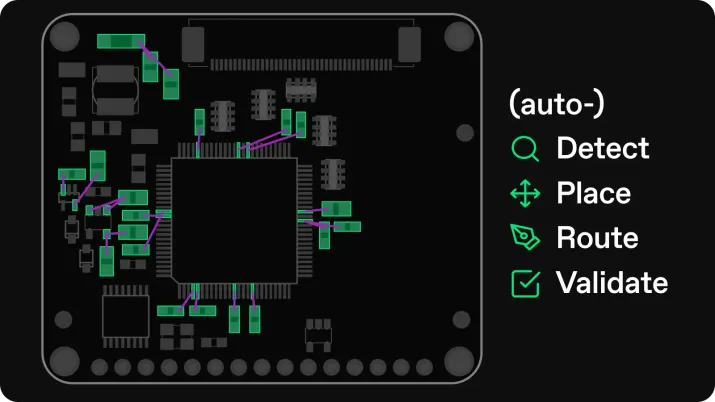
- Autonomy across the full loop: placement plus routing plus constraint evaluation, not just routing a selected set of nets or polishing an already-human-routed board.
- Optimization against real constraints: manufacturability, stack-up choices, impedance constraints, spacing, and other design realities, evaluated systematically.
- A workflow that scales iteration: you can explore multiple candidates in parallel and choose the best, instead of committing early to a single layout path.
Quilter positions itself in this “autonomous engine” category, describing physics-driven layout generation and parallel candidate exploration rather than a copilot-style helper. (Quilter)
How does Quilter approach AI differently from Altium?
Here’s the simplest way to think about it:
- Quilter is AI-native for layout generation. The product messaging centers on generating complete PCB layouts using an AI approach trained against physics and manufacturing constraints, plus producing multiple candidates in parallel for review and selection. (Quilter)
- Altium is a full-featured PCB CAD suite where the designer remains the primary driver. Altium has strong routing tools (interactive routing, ActiveRoute, multi-routing), and it publishes a broad “AI & Machine Learning” resource hub, but the core layout workflow is still largely human-steered inside a traditional editor. (Altium)
A practical analogy: Altium improves how you drive. Quilter changes the drivetrain.
- In an Altium-centered flow, you typically place key components, define rules, route interactively, and use automated tools for sections of the job. ActiveRoute, for example, is positioned as an automated interactive routing technology you operate on selected connections, and it is delivered as an extension. (Altium)
- In a Quilter-centered flow, the promise is that you define the outline and constraints, pre-place what must be fixed, and then let the system generate layouts and evaluate them against physical constraints, returning native CAD files for finishing in your existing tool. Quilter emphasizes “works with your existing workflow” and returning outputs in the same format as the input. (Quilter)
Why “AI-native” matters is not hype, it’s compounding leverage. When a system can generate many plausible layouts quickly, teams can shift from “make one board and pray” to “compare candidates, choose, refine, and ship” without blowing the schedule. Quilter explicitly frames this as enabling more iterations in less time. (Quilter)
What features matter most when choosing an AI-powered PCB tool?
If you’re evaluating EDA software with AI, focus on features that change outcomes, not features that sound modern in a release note.
1) How much of placement and routing is truly automated?
- Can the tool generate a complete layout candidate from your project and constraints?
- Or does it only accelerate pieces of the workflow (for example, routing assistance on nets you select)?
2) How is the design validated?
Traditional DRC is necessary but not sufficient for many real boards. Teams should ask:
- Does the system evaluate candidates against a broad set of physical and manufacturing constraints?
- Do you get transparent evidence of what is satisfied vs. what needs review?
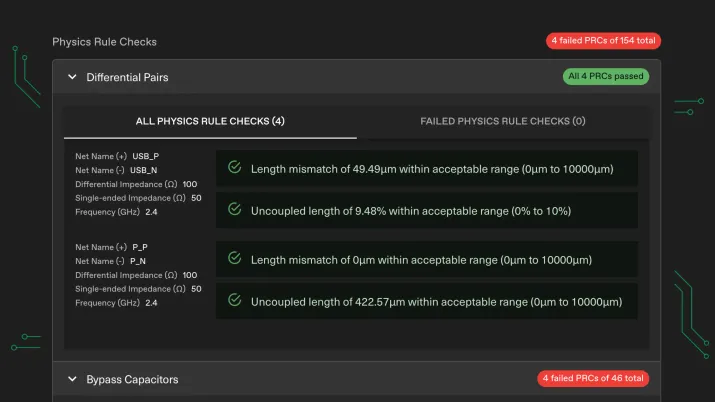
Quilter leans heavily on “physics-driven” validation and constraint coverage as a core differentiator. (Quilter)
3) Can you keep your existing toolchain?
Migration pain kills adoption. Look for:
- Import of your native Altium projects (or the formats your team already uses)
- Export and handoff that lets you run DRC, polishing, and manufacturing outputs in the CAD environment you trust
Quilter explicitly highlights uploading Altium projects and returning files in the same format for handoff. (Quilter)
4) Total cost of ownership (TCO)
Beyond license cost, consider:
- Time to train new designers
- Time spent on layout bottlenecks
- Engineering opportunity cost when senior staff are doing repetitive routing work
If your constraint is “we cannot hire more PCB layout bandwidth,” the TCO conversation changes fast.
Quilter vs. Altium: Which delivers better results for real teams?
Which PCB tool has the best AI automation?
If “AI automation” means autonomous layout generation (placement plus routing) with rapid iteration across multiple candidates, Quilter is purpose-built for that category. (Quilter)
If “best” means a complete, mature PCB CAD environment for hands-on design control, documentation, and day-to-day editing, Altium remains a standard because the workflow is built around the designer in the editor, supported by routing tools like ActiveRoute and interactive routing. (Altium)
Here’s the side-by-side view.
Feature comparison table
Feature that matters for AI automation
Quilter
Altium
Core product focus
Autonomous, physics-driven layout generation and iteration
Full PCB CAD suite with designer-driven workflow
AI-powered PCB automation
Generates complete layout candidates; parallel exploration emphasized (Quilter)
AI is positioned broadly across productivity and workflows; routing automation is primarily interactive or traditional autorouting in the editor (Altium)
Placement automation
Candidate generation approach implies placement plus routing in the produced layouts (Quilter)
Placement is typically user-driven with standard productivity features; routing automation can assist once placement is set
Routing automation
End-to-end in generated candidates; returned for downstream DRC and polish (Quilter)
ActiveRoute is an automated interactive router run on selected nets; interactive routing is central (Altium)
Physics-driven PCB layout validation
Central product claim: physics and manufacturing constraints used in training and evaluation (Quilter)
Strong rule-based checks and routing tooling; “AI & ML” messaging exists, but validation is typically DRC-driven in the CAD context (Altium)
Multi-candidate iteration
Explicitly emphasized: generate many candidates and choose (Quilter)
Traditional flow: one board at a time, iterate manually with variants
Workflow compatibility
Uploads Altium and other CAD projects; returns same format for handoff (Quilter)
Native Altium ecosystem, strong documentation, broad tool coverage
Best-fit team profile
Teams constrained by layout bandwidth or iteration speed
Teams that want maximum hands-on control inside a mature editor
TCO drivers
Savings from iteration speed and reduced manual layout load
Cost justified by breadth of features and established workflows
Important note for 2026 buyers: both product lines evolve quickly. Treat any “AI” claim as something to validate with a real project: a representative board, real constraints, and a measurable outcome (time-to-layout, number of candidates reviewed, and first-pass success rate).
Scenario analysis: who benefits most from each tool?
Scenario 1: Fast-moving startup with limited layout specialists
If you have two engineers and a deadline, your bottleneck is usually not schematic capture. It’s layout throughput and iteration speed. In that world, the ability to generate multiple layout candidates quickly and hand them back to your CAD tool for final checks can be the difference between shipping and slipping. Quilter’s positioning is directly aligned with this constraint. (Quilter)
Scenario 2: High-reliability programs where review rigor matters
These teams care about traceability, compliance, and confidence. Quilter’s pitch is that physics-driven evaluation and transparent review help teams move faster without blind trust in a black box. (Quilter)
Altium, meanwhile, is familiar, deeply documented, and well understood in regulated environments, with mature controls and long-established workflows.
Scenario 3: Enterprise teams with heavy process and many concurrent boards
Enterprises often need standardization, deep libraries, collaboration, and repeatable documentation. Altium’s ecosystem and tooling breadth can be a strong fit. But even in enterprise, you can have a “layout bandwidth” constraint. In that case, teams increasingly look at tools that can offload routine layout work so specialists focus on the hard parts.
Here's how teams are using Quilter to speed up hardware development
The most useful way to evaluate AI PCB design is to look at how the workflow changes day-to-day.
Use case: compressing a full board cycle
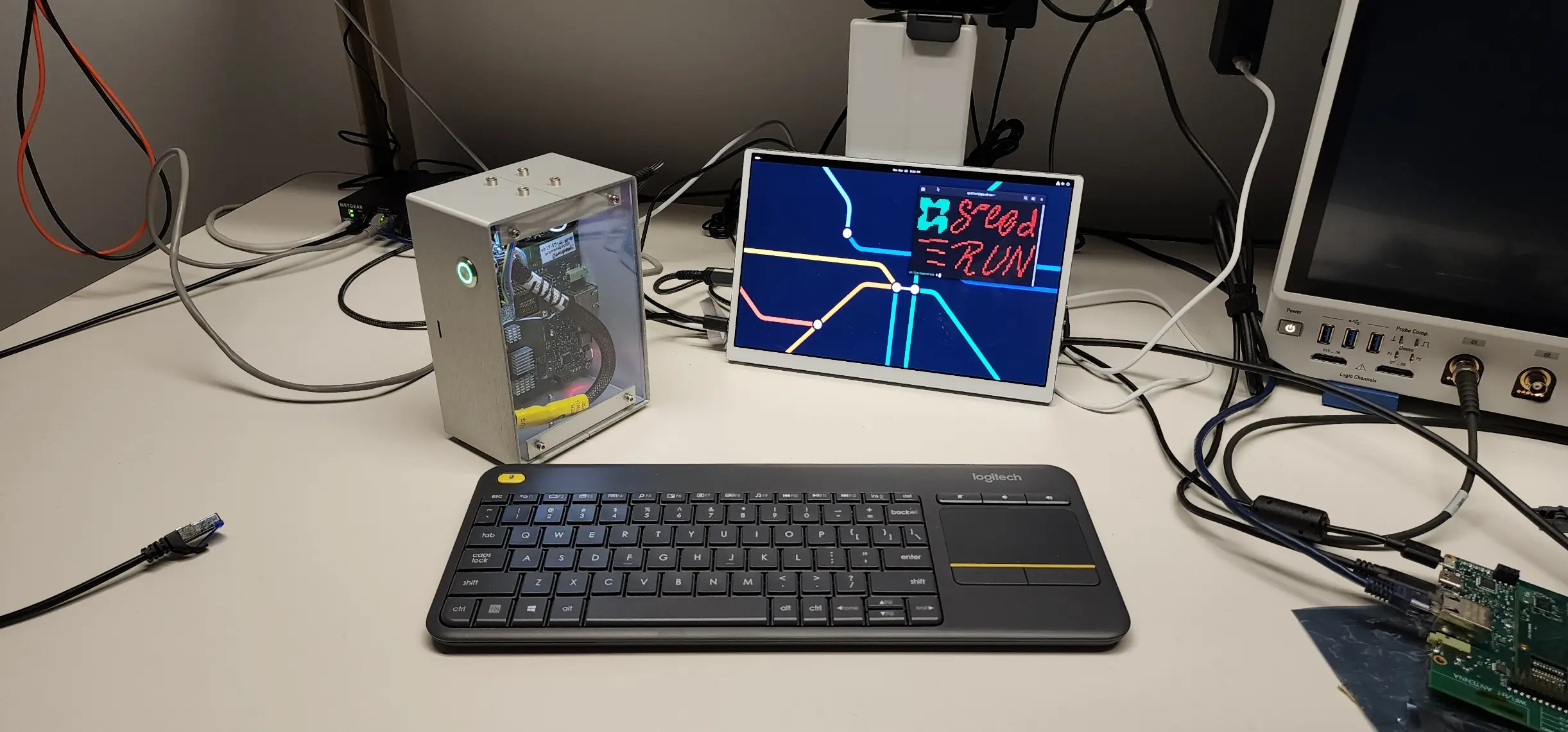
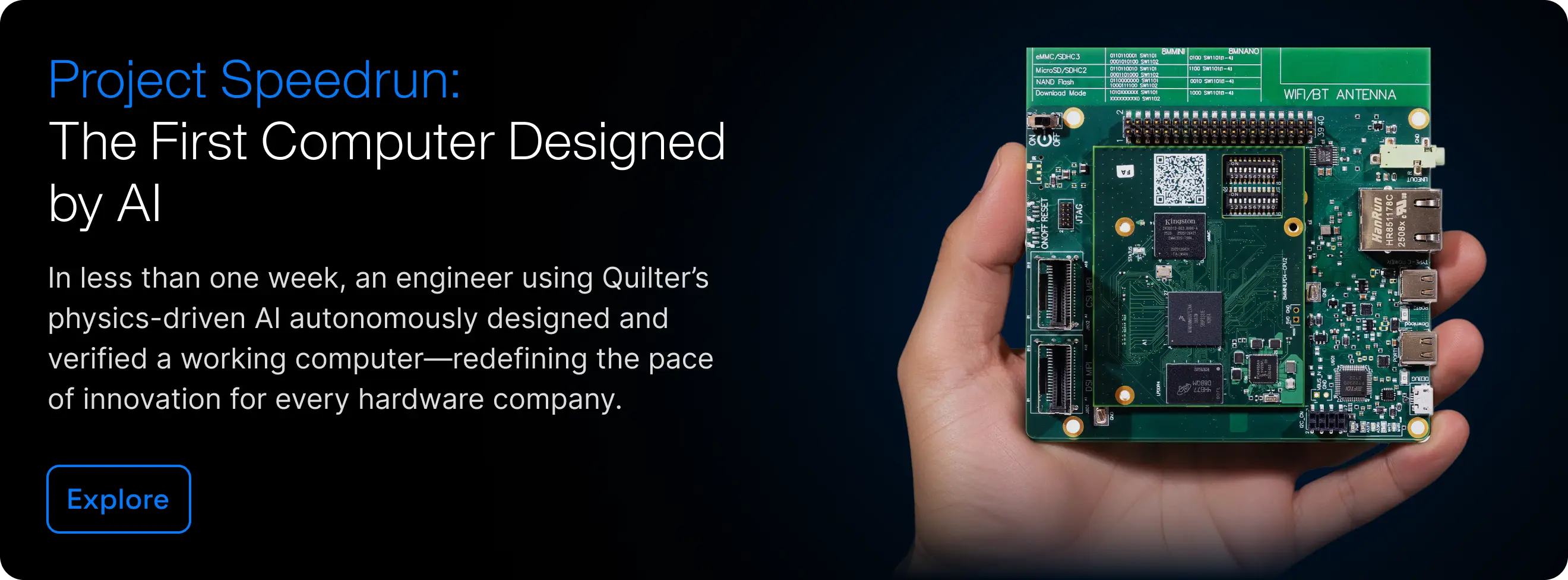
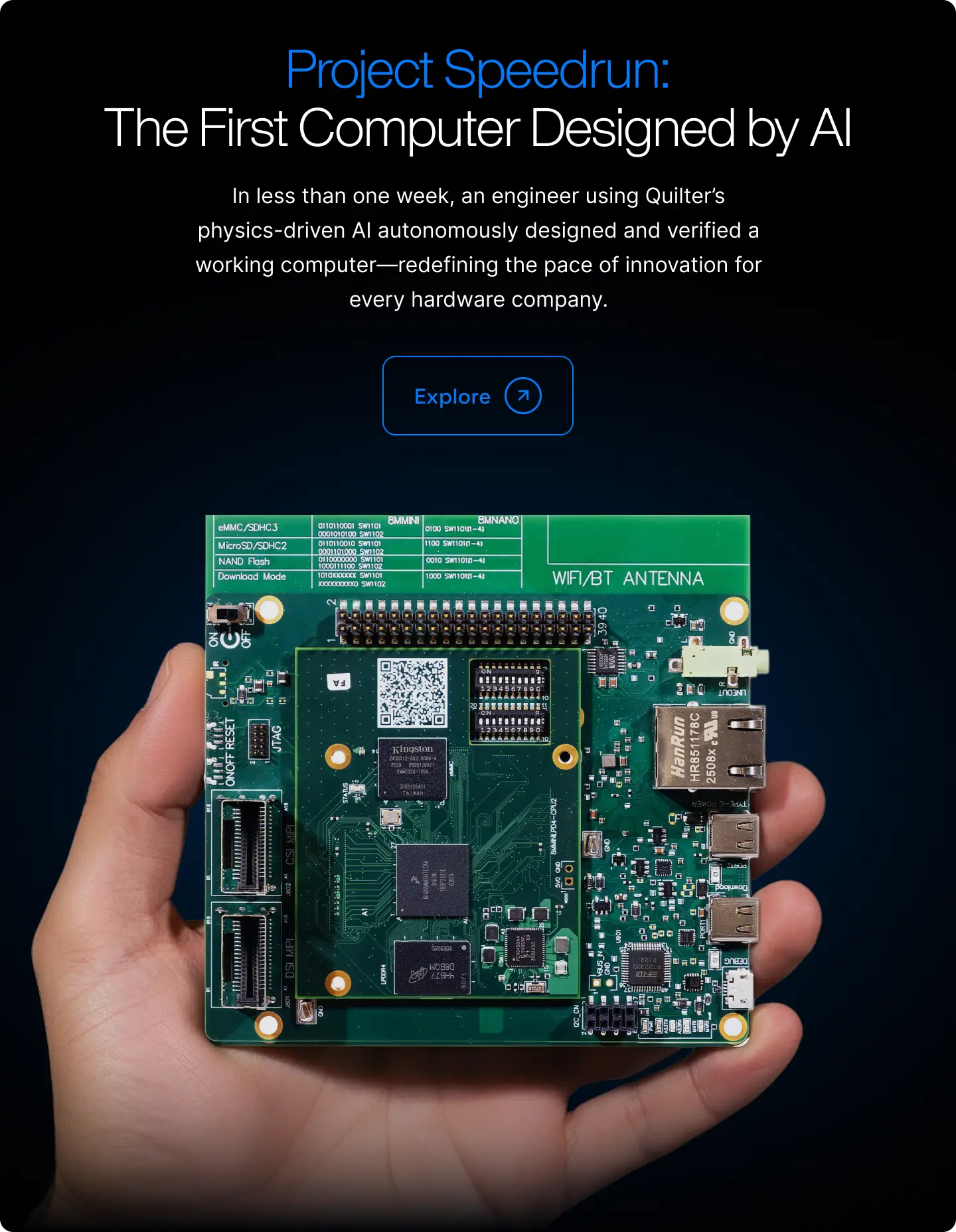
Quilter has publicly highlighted “Project Speedrun,” describing a working computer designed in under a week with physics-driven AI, and external coverage reported dramatic reductions in human time compared to conventional expectations. (Tom's Hardware)
That kind of headline is not the point by itself. The point is what it implies for normal teams: if you can generate credible candidates fast, you can run more experiments per month, test more variants, and converge sooner.
Use case: parallel candidate generation for better decisions
Many PCB delays happen because you commit early to a floorplan that becomes painful later. Quilter’s product pages emphasize parallel exploration and ranking candidates for manufacturability and constraint coverage. (Quilter)
In practice, teams use this to answer questions like:
- “What if we swap stack-ups to hit impedance targets?”
- “What if we change connector orientation to reduce congestion?”
- “What if we tighten board outline constraints for enclosure fit?”
Instead of debating hypotheticals, you compare candidates.
Callout: A simple way to measure value
Track two numbers on your next board: (1) time from schematic freeze to routed candidate, and (2) number of viable alternatives you reviewed before committing. Tools that move these numbers change outcomes.
Use case: keeping specialists focused on the hard parts
Even teams with experienced PCB designers have a recurring problem: routine layouts consume expert time. Quilter’s workflow messaging explicitly frames the value as freeing engineers from non-core layout work and increasing iteration bandwidth. (Quilter)
What should you consider before switching your PCB design workflow?
Switching EDA tools is risky. The best migrations do not start with a full rip-and-replace. They start with a pilot that preserves the existing toolchain.
1) Compatibility and handoff
Quilter’s workflow is designed to slot into existing pipelines: upload your Altium project, define constraints, generate candidates, then bring results back into your CAD tool for DRC, polish, and manufacturing outputs. (Quilter)
That reduces adoption risk because your “source of truth” CAD environment remains intact.
2) Define what “done” means for your team
Before you evaluate any AI-powered PCB automation, decide:
- What constraints must be satisfied automatically?
- What checks must be done by a human reviewer?
- What metrics will determine success?
Examples of clean metrics:
- Time-to-first-routed-candidate
- Number of candidate layouts reviewed
- DRC error count after import
- First-pass bring-up success rate (where measurable)
3) Data handling and security expectations
If you are in a regulated environment, ask direct questions about data usage and training. As an example of the kind of disclosure you should look for, Altium’s Requirements & Systems Portal material states that customer data is not used to train its AI Assistant and describes LLM-based functionality for generating and summarizing requirements.
You should expect similar clarity from any vendor in your workflow, especially if IP sensitivity is high.
4) Change management: make it additive, not disruptive
A practical approach:
- Pick one representative board (not your hardest, not your easiest).
- Run an AI automation pilot as an alternative path, not the only path.
- Compare outcomes against your baseline process.
If the pilot shows meaningful time savings without quality regressions, expand from there.
Ready to see Quilter’s AI in action?
If your goal is “software like Altium but with AI automation,” the key question is whether you want AI assistance inside a traditional editor or autonomous layout generation that increases iteration speed. Quilter is built around the second category, with physics-driven candidate generation and workflow integration that returns native files for your existing CAD flow. (Quilter)
Next steps:
- Explore Quilter’s Product Overview to understand autonomous layout and candidate generation. (Quilter)
- Review Quilter’s Technology page for how the RL engine and physics-driven approach is framed. (Quilter)
- See Quilter’s Workflow page for how import, constraints, review, and handoff fit into existing teams. (Quilter)
- Try Quilter’s free option if you want to test the workflow on a real project quickly. (Quilter)


.webp)