



Media

Published

Written by

Workbench

Everyone Deserves a Mentor

Published

December 24, 2025

Every engineering career hits inflection points.

A design that doesn’t converge.

A team that stalls.

A decision that feels irreversible.

At those moments, what matters most isn’t another framework or tool.

It’s perspective—from someone who has already made the mistakes.

That’s what Build is.

A Mentor in Print

Before creating the iPod, iPhone, and Nest, Tony Fadell spent a decade failing in Silicon Valley. The lessons in Build come from that full arc—not just the wins.

The book is deliberately unglamorous.
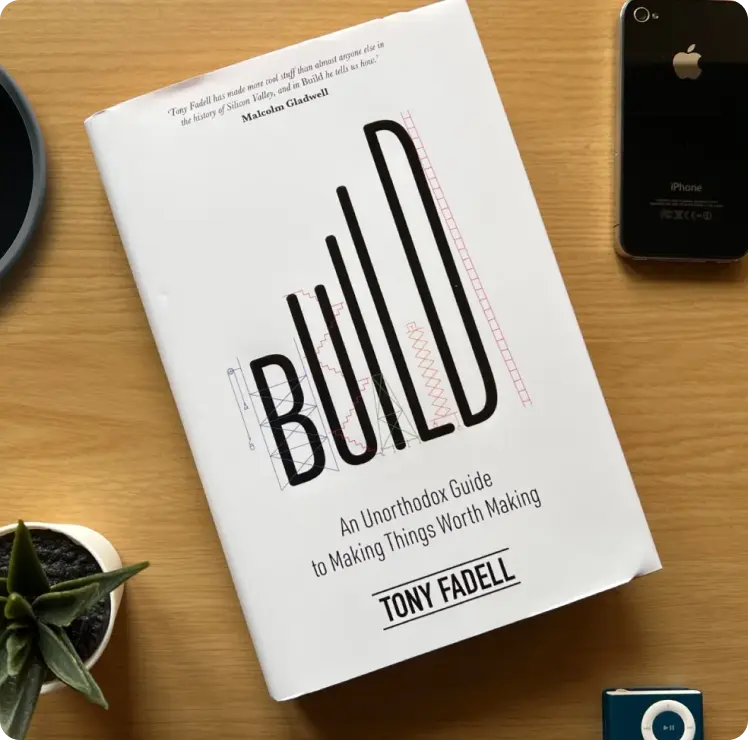
Build book by Tony Fadell on a desk next to other objects

It covers things builders actually run into:

  • How to make hard calls with incomplete data
  • What to do when a project or career stalls
  • How design and leadership decisions compound over time
  • Why hero culture breaks engineering teams
  • How to recover—technically and personally—when things go wrong

Follow Us on X

At Quilter, we spend our time on a related problem: How to remove bottlenecks that slow down iteration.

Progress comes from disciplined iteration, not mythology.

That statement resonates because it mirrors the philosophy behind Build:

  • Tools matter
  • Mentors matter
  • Learning cycles matter most

On X, we regularly share:

  • Practical engineering resources
  • Hard‑won lessons from real hardware programs
  • Clear thinking on Hardware‑Rich Development—how teams iterate faster
  • Breakdowns of why certain approaches work, and where they fail

If you care about compressing iteration cycles in hardware without hand‑waving or hype, that’s what we publish.

The Giveaway

We’re giving away 20 copies of Build, signed by Tony Fadell.

How to enter

  1. Follow Quilter on X (Twitter)
  2. Mention us in a post sharing the best mentor advice you’ve ever received (optional)

That’s it.

On January 20, we’ll randomly select 20 winners from all followers—new and existing. Winners will be contacted via DM from our official account to coordinate shipping. (That means anyone else contacting you otherwise isn’t really us.) 

If you’re the kind of person who builds things—and wants to get better at it—this book belongs on your desk.

Terms & Conditions (The Practical Details)

  • No purchase necessary
  • To enter, follow Quilter on X by January 20, 2026

Winners must be located in one of the following regions: USA, Canada, Brazil, Chile, UK, EU (including Schengen zone), Taiwan, Japan, South Korea, Singapore, Australia, or New Zealand

Try Quilter for Yourself

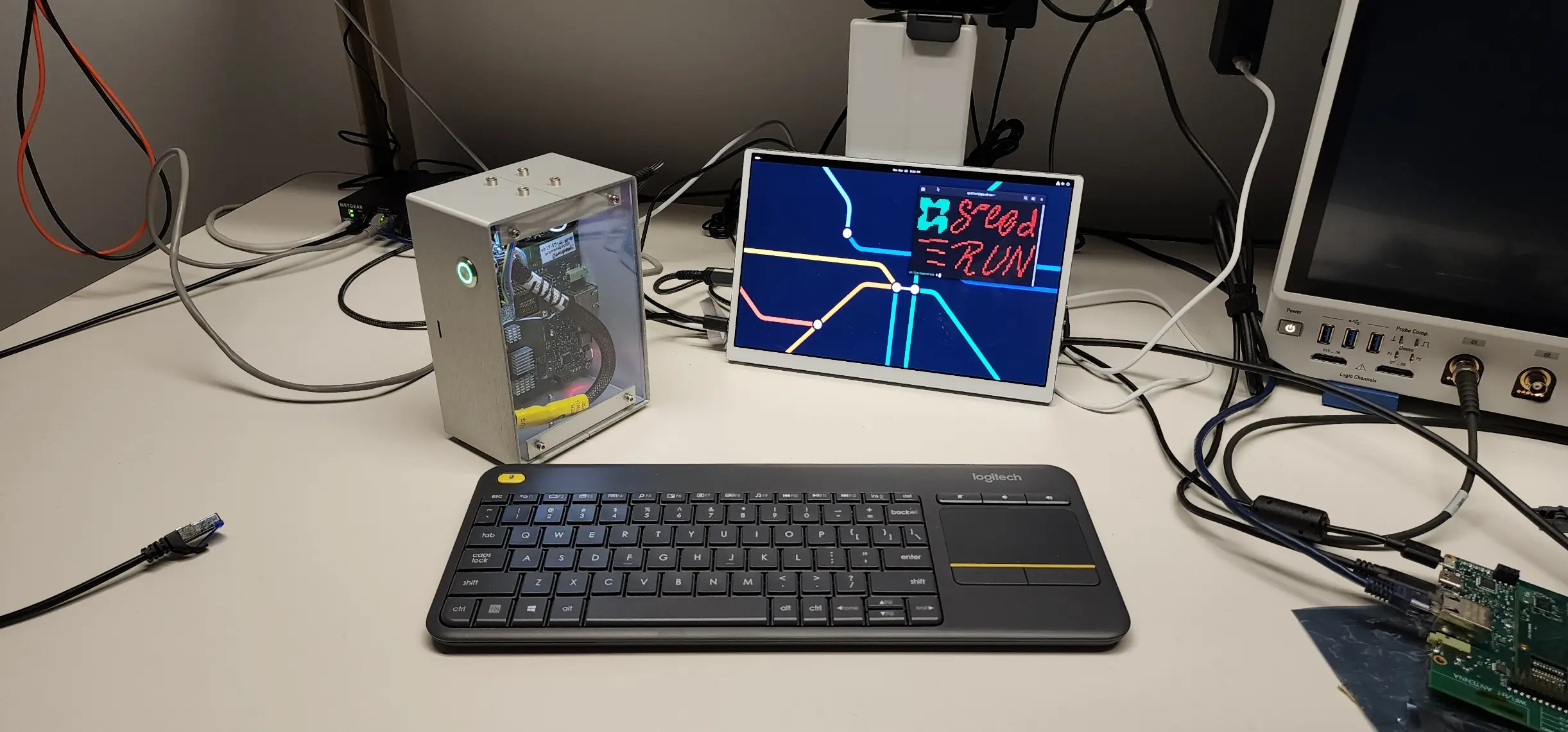
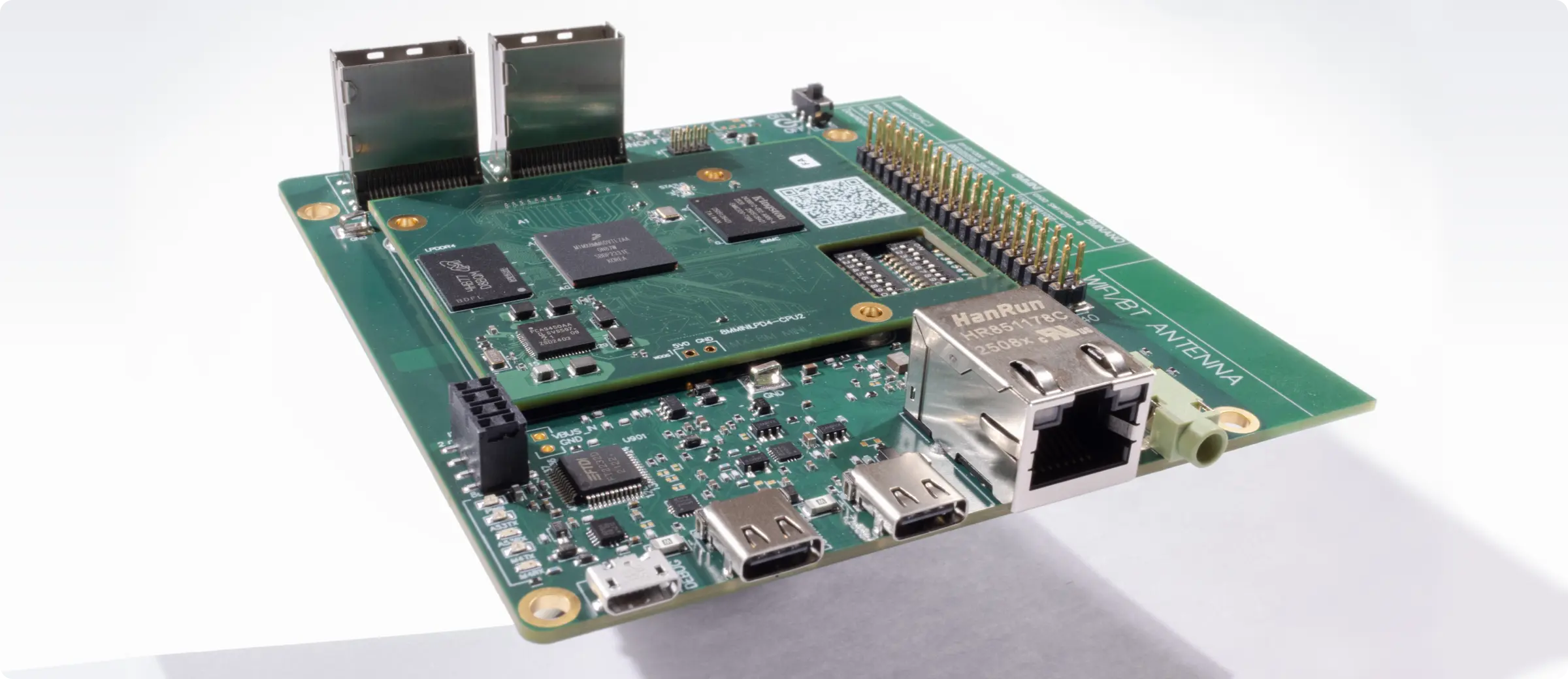
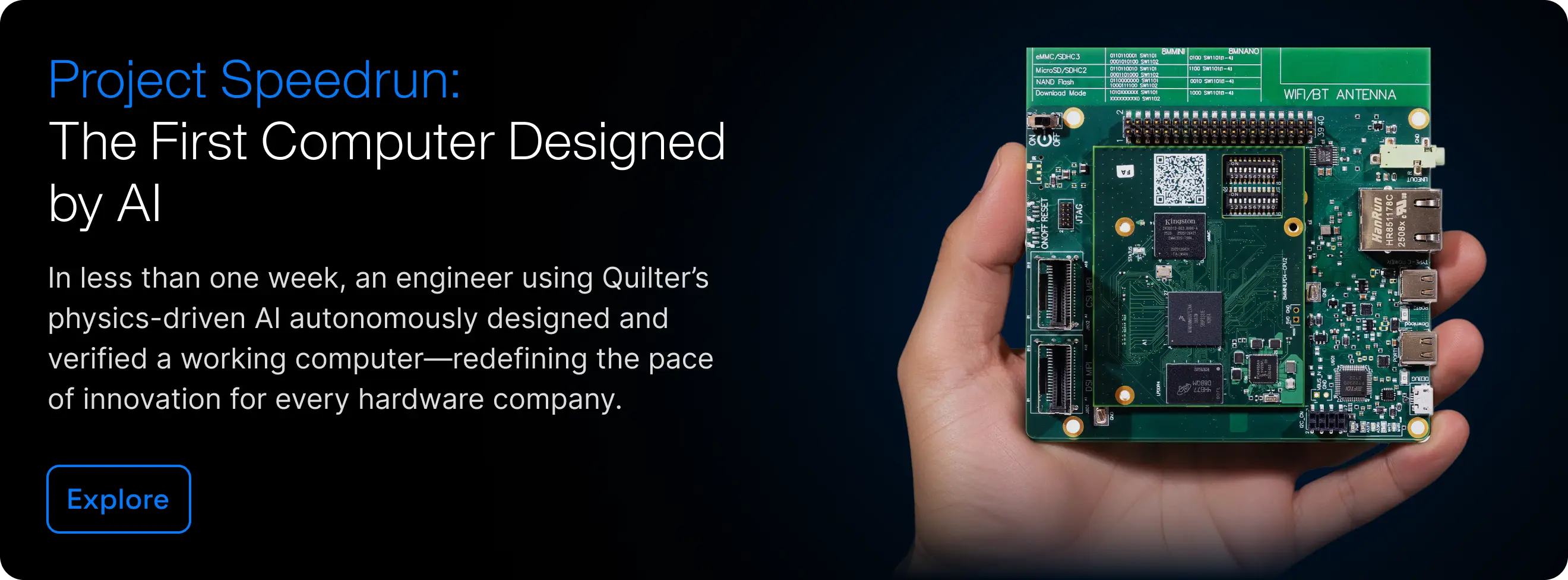
Project Speedrun demonstrated what autonomous layout looks like in practice and the time compression Quilter enables. Now, see it on your own hardware.

Get Started

Validating the Design

With cleanup complete, the final question is whether the hardware works. Power-on is where most electrical mistakes reveal themselves, and it’s the moment engineers are both nervous and excited about.

Continue to Part 4

Cleaning Up the Design

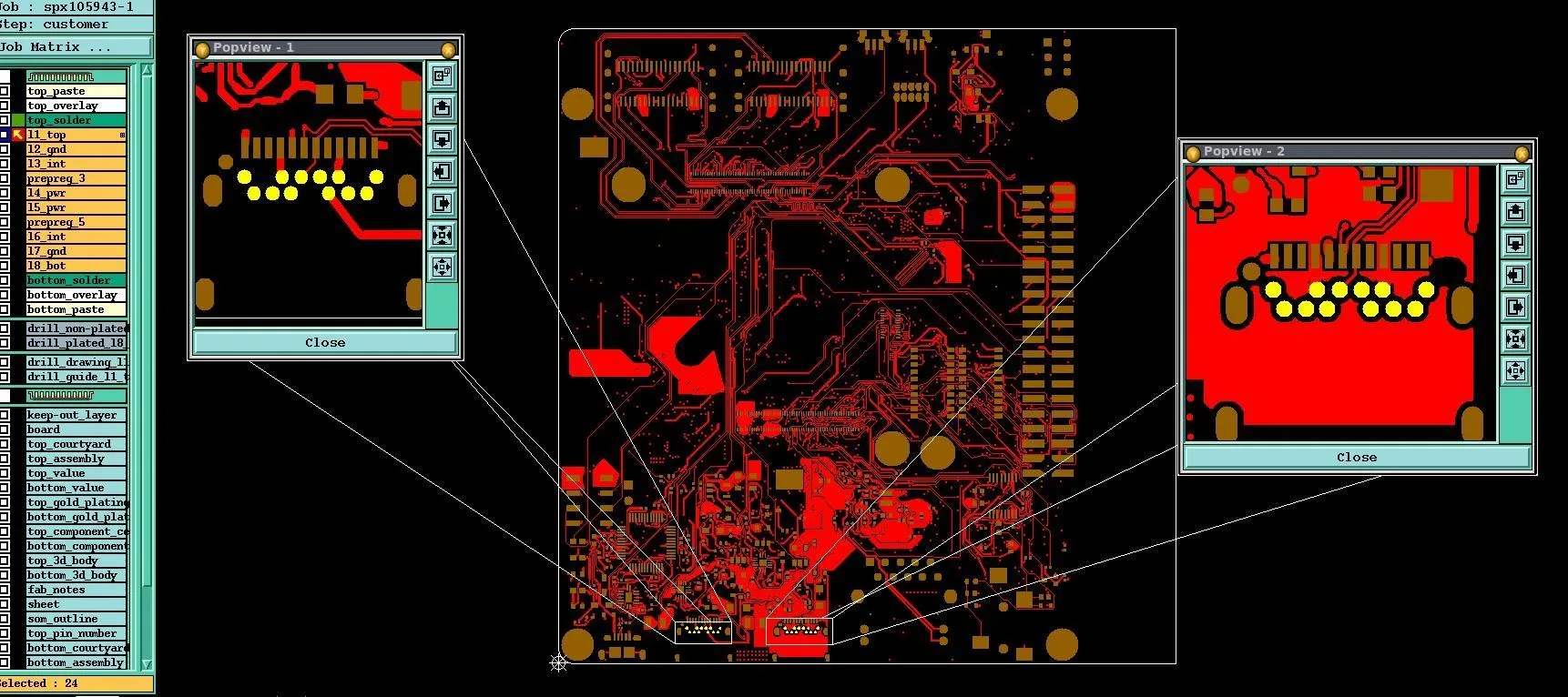
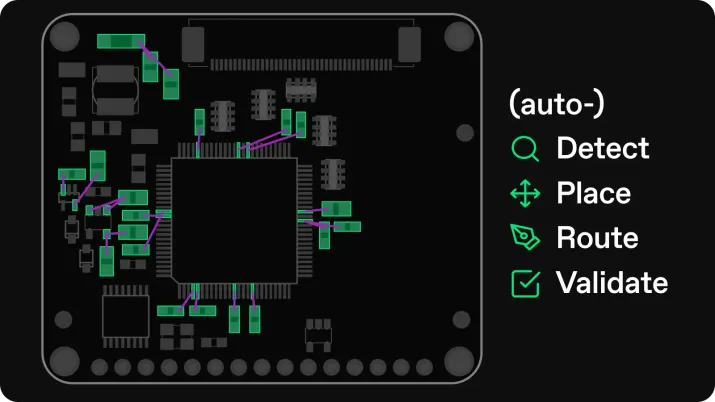
Autonomous layout produces a complete, DRC'd design; cleanup is a brief precision pass to finalize it for fabrication.

Continue to Part 3

Compiling the Design

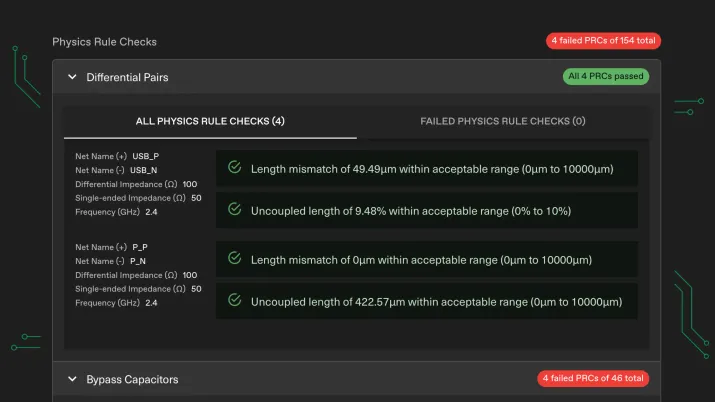
Once the design is prepared, the next step is handing it off to Quilter. In traditional workflows, this is where an engineer meets with a layout specialist to clarify intent. Quilter replaces that meeting with circuit comprehension: you upload the project, review how constraints are interpreted, and submit the job.

Continue to Part 2

Everyone Deserves a Mentor

December 24, 2025
by
Darin ten Bruggencate
and

Every engineering career hits inflection points.

A design that doesn’t converge.

A team that stalls.

A decision that feels irreversible.

At those moments, what matters most isn’t another framework or tool.

It’s perspective—from someone who has already made the mistakes.

That’s what Build is.

A Mentor in Print

Before creating the iPod, iPhone, and Nest, Tony Fadell spent a decade failing in Silicon Valley. The lessons in Build come from that full arc—not just the wins.

The book is deliberately unglamorous.

Build book by Tony Fadell on a desk next to other objects

It covers things builders actually run into:

  • How to make hard calls with incomplete data
  • What to do when a project or career stalls
  • How design and leadership decisions compound over time
  • Why hero culture breaks engineering teams
  • How to recover—technically and personally—when things go wrong

Follow Us on X

At Quilter, we spend our time on a related problem: How to remove bottlenecks that slow down iteration.

Progress comes from disciplined iteration, not mythology.

That statement resonates because it mirrors the philosophy behind Build:

  • Tools matter
  • Mentors matter
  • Learning cycles matter most

On X, we regularly share:

  • Practical engineering resources
  • Hard‑won lessons from real hardware programs
  • Clear thinking on Hardware‑Rich Development—how teams iterate faster
  • Breakdowns of why certain approaches work, and where they fail

If you care about compressing iteration cycles in hardware without hand‑waving or hype, that’s what we publish.

The Giveaway

We’re giving away 20 copies of Build, signed by Tony Fadell.

How to enter

  1. Follow Quilter on X (Twitter)
  2. Mention us in a post sharing the best mentor advice you’ve ever received (optional)

That’s it.

On January 20, we’ll randomly select 20 winners from all followers—new and existing. Winners will be contacted via DM from our official account to coordinate shipping. (That means anyone else contacting you otherwise isn’t really us.) 

If you’re the kind of person who builds things—and wants to get better at it—this book belongs on your desk.

Terms & Conditions (The Practical Details)

  • No purchase necessary
  • To enter, follow Quilter on X by January 20, 2026

Winners must be located in one of the following regions: USA, Canada, Brazil, Chile, UK, EU (including Schengen zone), Taiwan, Japan, South Korea, Singapore, Australia, or New Zealand